


 A. M.
A. M. 
Having an emergency fund is one of the cornerstones of good financial health. However, for many people, the idea of saving seems distant or difficult to achieve. The reality is that it’s not about saving large sums of money immediately, but about building, in an organized and consistent manner, a financial safety net that allows you to face unexpected events without resorting to debt.
What is an emergency fund and why is it important?
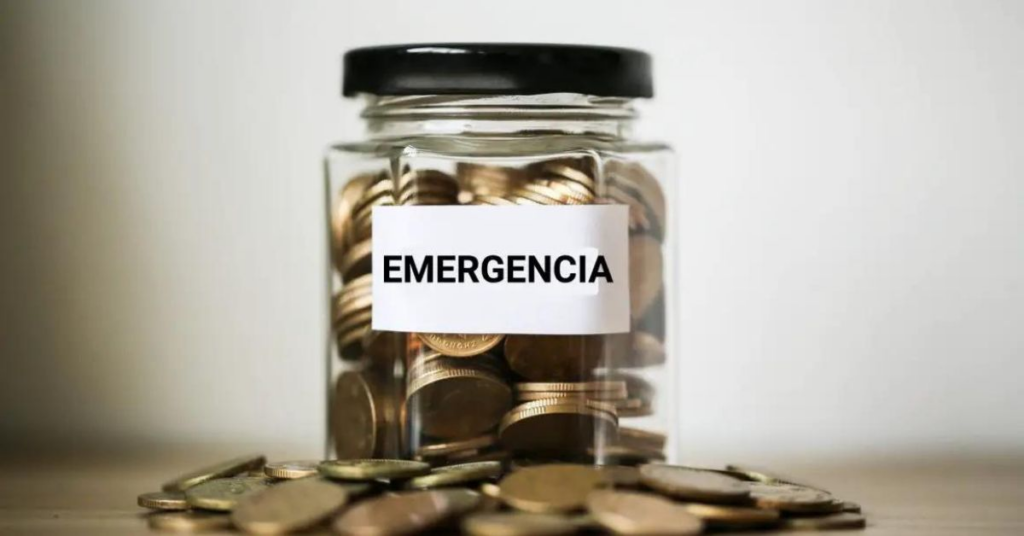
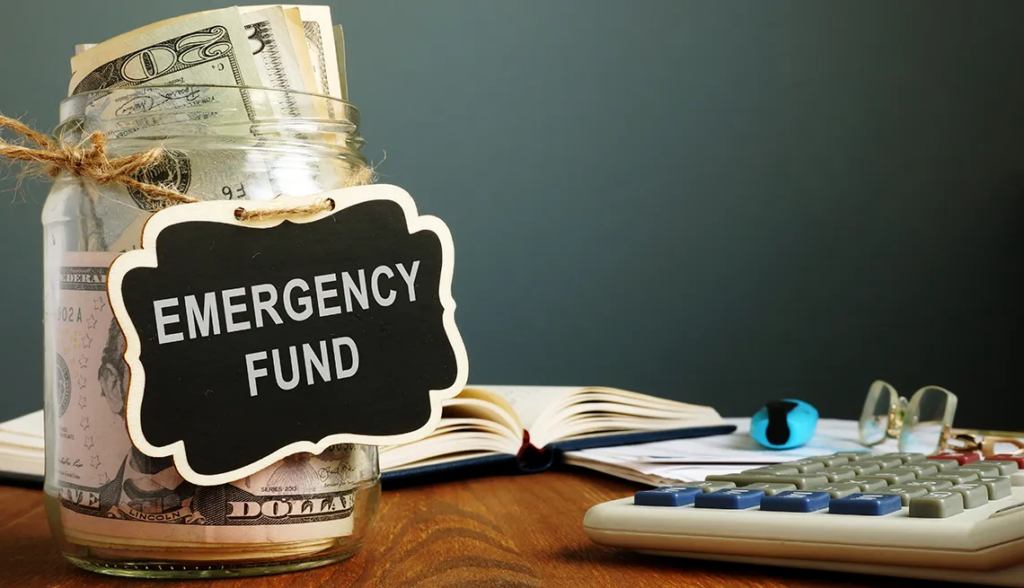
An emergency fund is savings intended exclusively to cover unexpected expenses, such as illness, urgent home repair, job loss, or any situation that disrupts your regular income. Its main function is to provide peace of mind and avoid using loans that can accrue interest and compromise your budget in the long term.
Having this safety net allows you to make financial decisions more calmly and reduces the stress caused by economic uncertainty.
Step 1: Define the fund’s objective
The first step is to determine how much money you need to save. Experts recommend that your emergency fund cover three to six months of basic expenses. To calculate this, you need to identify your monthly expenses for housing, food, utilities, transportation, and healthcare.
This amount should not include non-essential expenses, as the fund is intended to cover the essentials during difficult times.
Step 2: Analyze income and expenses
Before you start saving, it’s crucial to review your personal or family budget. Knowing clearly how much you earn and how your money is spent allows you to identify areas where you can make small adjustments. Reducing unnecessary expenses, even gradually, makes it easier to allocate a portion of your income to your emergency fund.
This analysis also helps you set a realistic and sustainable savings goal.
Step 3: Establish a monthly savings amount
It’s not necessary to start with large sums. Consistency is key. It can be a fixed percentage of your income, or a set amount each month, depending on your individual circumstances. Even small amounts, saved regularly, can grow over time.
It’s recommended to treat saving as a mandatory expense, prioritizing it within your monthly budget.
Step 4: Separate the money from everyday spending
To avoid the temptation to use the savings fund for daily expenses, it’s advisable to keep it in a separate account. This account should be easily accessible in case of emergency, but not so easily accessible that it can be used impulsively.
The goal is for the money to be available when it’s truly needed, without being mixed in with your regular spending.
Step 5: Automate savings
An effective way to maintain discipline is to automate deposits into your emergency fund. Scheduling automatic transfers at the beginning or end of the month reduces the risk of forgetting to save or using that money for other purposes.
Automation makes saving a habit and facilitates achieving your long-term goal.
Step 6: Use the fund only for real emergencies
It’s essential to define which situations justify using the fund. An emergency is an unexpected, urgent, and necessary expense. It shouldn’t be used for planned purchases, trips, or celebrations.
When you do use the fund, it’s important to establish a plan to replenish the money used and maintain your financial reserves.
Step 7: Review and adjust your fund periodically
Over time, expenses and personal circumstances can change. Therefore, your emergency fund should be reviewed periodically to adjust it to new needs, such as an increase in the cost of living or changes in income.
Keeping your fund up to date ensures it continues to fulfill its function as a financial safety net.
A safety net that provides peace of mind
Creating an emergency fund is not a luxury, but an essential tool for financial stability. Although the process requires discipline and patience, the benefits are clear: greater peace of mind, less dependence on credit, and a better ability to face unexpected events without compromising your financial well-being.
Taking the first step, however small, can make the difference between facing a crisis with anxiety or with preparedness.
You can also read: