


 A. M.
A. M. 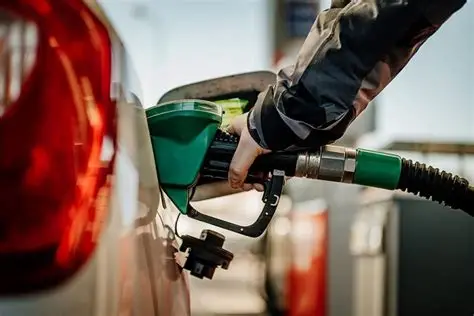
The recent increase of up to 26 cents per gallon in fuel prices in El Salvador has led drivers to look for alternatives to optimize their consumption and reduce expenses. In this context, specialists agree that small changes in the way you drive and in vehicle maintenance can make a significant difference.
Beyond price, efficient fuel use largely depends on daily habits that directly influence vehicle performance.
Drive better, not faster
One of the keys to using less gasoline is in the way you drive. Maintaining constant driving, without sudden changes in speed, allows you to make better use of fuel.
Unnecessarily accelerating, especially in traffic, only increases fuel consumption without providing real benefits to travel time. On the contrary, anticipating road conditions helps maintain a more efficient pace.
Tire pressure does matter
An aspect that is often overlooked is the condition of the tires. Driving with inadequate pressure generates greater resistance on the road, which forces the engine to work harder.
Therefore, periodically checking the air level in the wheels not only improves safety, but also contributes to lower fuel consumption.
Less speed, more savings
Although it may seem contradictory, driving at high speed considerably increases gasoline consumption. Staying within moderate ranges allows you to optimize vehicle performance and reduce costs.
In addition, this practice reduces the risk of accidents, which represents an additional benefit for drivers.
Taking care of your vehicle is taking care of your pocket
The mechanical condition of the car is another determining factor. A vehicle with faults or without proper maintenance consumes more fuel than normal.
Performing periodic checks, changing filters and keeping the engine in good condition are actions that favor both performance and economy.
Avoid driving with an empty tank
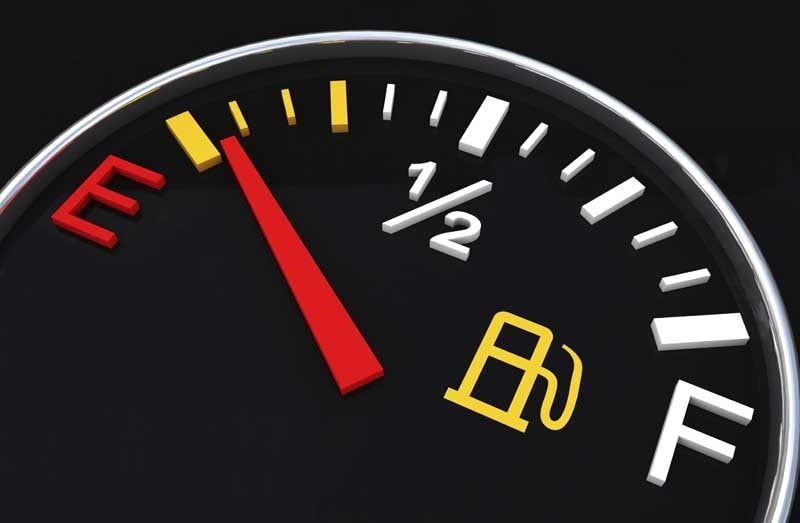
Another important recommendation is to maintain an adequate fuel level. Driving with the tank almost empty can affect system components, such as the pump, and cause long-term problems.
Additionally, the risk of moisture buildup inside the tank is reduced.
Small habits that make a difference
Added to these recommendations are other practices that contribute to savings:
• Reduce unnecessary weight inside the vehicle.
• Plan routes to avoid congestion.
• Turn off the engine during long waits.
• Use the air conditioning moderately.
• Make gear changes at the right time.
A practical response to the increase
Amid the increase in fuel prices, these measures have become key tools for drivers. Adopting them not only allows you to optimize spending but also improves vehicle performance and promotes more responsible driving.
In short, fuel savings do not depend solely on the cost at service stations, but on daily decisions that, over time, can represent a significant impact on the family economy.
You can also read: