

 A. M.
A. M. 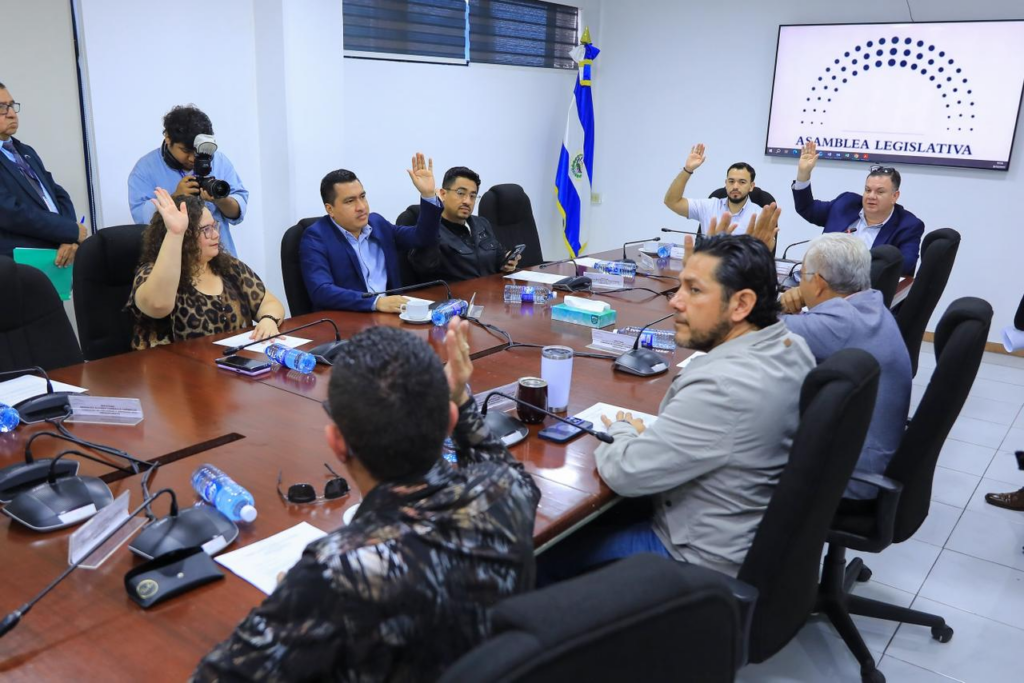
The MAG intends to develop the Sustainable, Inclusive, and Nutritional Economic Development Program for Rural Areas to strengthen the productive capacities of small-scale farmers, promote climate-smart techniques, and improve market access for the program’s beneficiaries.
The members of the Finance Committee unanimously issued two rulings to implement the second round of two loan agreements from two different funding sources for the Sustainable, Inclusive, and Nutritional Economic Development Program for Rural Areas (PROGRESAR Rural). This program aims to support approximately 74,000 farming families, including women heads of household and single mothers.
One of these agreements is a loan signed by the Ministry of Finance on october 9, 2025, with the OPEC Fund for International Development, for up to US$30 million; while the other was signed by the Ministry of Finance on october 20, 2025, and by the representative of the del Fondo Internacional para el Desarrollo Agrícola (FIDA), on november 3, 2025, for a total of US$31,300,000.
The program aims to increase the income, resilience, and food and nutritional security of families residing in rural areas, in zones prioritized at the national level, based on socioeconomic, demographic, and environmental criteria, among other factors.
Furthermore, the program aims to strengthen the productive capacities of small-scale farmers, promote climate-smart techniques, and improve market access for the beneficiaries.
According to Julio Alemán, head of the Treasury’s Debt Management Department, who spoke with members of parliament, the Ministerio de Agricultura y Ganadería (MAG) will be responsible for implementing the plan.
The official indicated that the beneficiaries are residents of Zapotitán and Antiocuyo Sur, both in the department of La Libertad; Antiocuyo Norte, in Chalatenango; and Lempacaguaca, located between the departments of Usulután and San Vicente.
Main expected results
The program aims to improve rural families’ access to water infrastructure, technology, and ecosystem services, facilitating their transition to sustainable production systems.
Ultimately, it is expected to empower rural families to increase their income and improve their access to financial services.
The Project’s pillars
The project comprises three components. The first, called Investments for the Development of Sustainable Production and Agri-food Systems, aims to create conditions for transforming production systems to benefit rural families.
Another aspect of this component is investment in water infrastructure, irrigation districts, conservation of natural resources—such as water and forests—and improvements in food security and nutrition through community nurseries and culinary workshops.
The second pillar is called Productive, Commercial, Sustainable, and Inclusive Transformation. This includes strengthening the capacities of producer organizations and women’s and youth entrepreneurship to expand access to technology, technical assistance, financial services, and other resources.
The third component is Program Management, which aims to ensure the management, monitoring, and evaluation of the program, as well as the generation of information to inform its design and implementation.
You can also read: