

 A. M.
A. M. 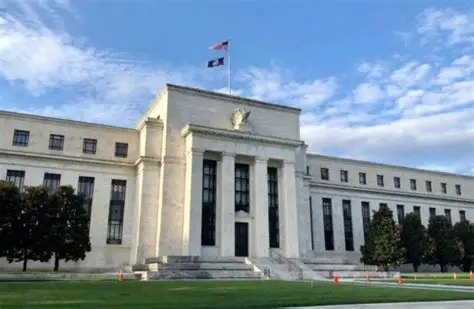
The U.S. Federal Reserve (Fed) recently lowered its benchmark interest rate to a range of 3.5% to 3.75%, the lowest rate it has reached since the period of sharp increases between 2022 and 2023. This marks the third consecutive reduction in 2025 and reaches the lowest level since the end of 2022.
This decision, made in the face of a cooling U.S. labor market and inflation still above its 2% target, aims to stimulate the economy and facilitate access to credit.
Although the measure has direct effects on the U.S. economy, its repercussions extend to other countries, including El Salvador, due to the interconnectedness of financial markets and the fact that the Salvadoran economy uses the U.S. dollar as its legal tender. This means that the Fed’s actions directly influence local interest rates and the cost of credit.

Impact on loans and credit
One of the main consequences for salvadorans could be the possibility of more accessible credit, both for individuals and businesses. Local banks, reflecting in part the changes in international rates, could offer mortgage, personal, and business loans at lower costs. This would represent relief for households with existing debt and an opportunity for those seeking to purchase homes or finance productive projects.
“A lower interest rate environment can alleviate the financial burden of many indebted households and open opportunities to refinance existing loans”, explained a financial analyst consulted by international media. In the salvadoran context, this could translate into greater activity in the real estate market and more credit options for small and medium-sized enterprises (SMEs), which are fundamental for employment and economic activity.

Savings and bank accounts
However, not all the effects are positive for all sectors. Savers could see a gradual reduction in the returns on their deposits and savings accounts as banks adjust their interest rates to the international environment. This would especially affect those seeking to obtain additional income through high-yield savings instruments.

Outlook for employment and investment
The Fed’s decision also has indirect implications for the labor market in El Salvador. Lower interest rates can facilitate investment by local companies that depend on financing, which in the long term could translate into new job opportunities. However, economists warn that these effects will materialize gradually and will depend on how quickly financial institutions and companies adjust their policies to international changes.
Expected but cautious financial relief
The Fed’s rate cut represents a window of financial relief for El Salvador, especially at a time when many households are facing high living costs and debt. At the same time, experts remind us that global and local inflation, as well as the US economic situation, will continue to be determining factors for economic stability in the country.
In conclusion, the Fed’s interest rate cut offers opportunities for more accessible credit, investment, and employment, but it also poses challenges for savers and requires local financial institutions to adjust their strategies to maximize the benefits of this international measure. How it is implemented and reflected in El Salvador will be key to determining its real impact on the economy and the daily lives of salvadorans.
You can also read: