

 A. M.
A. M. 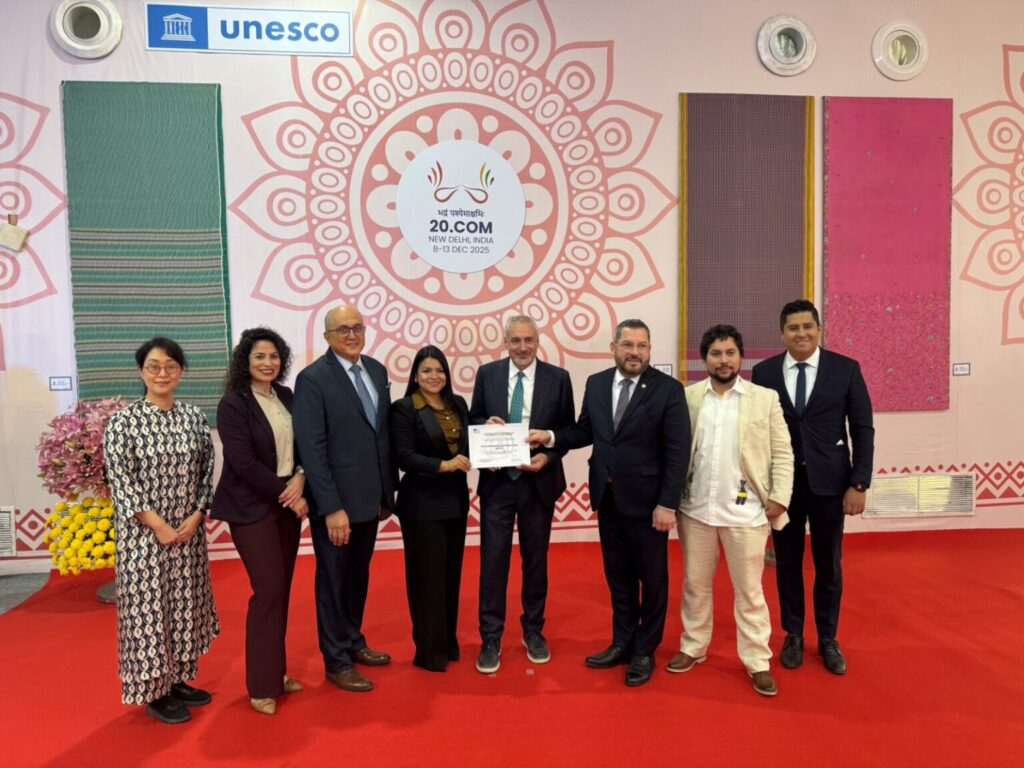
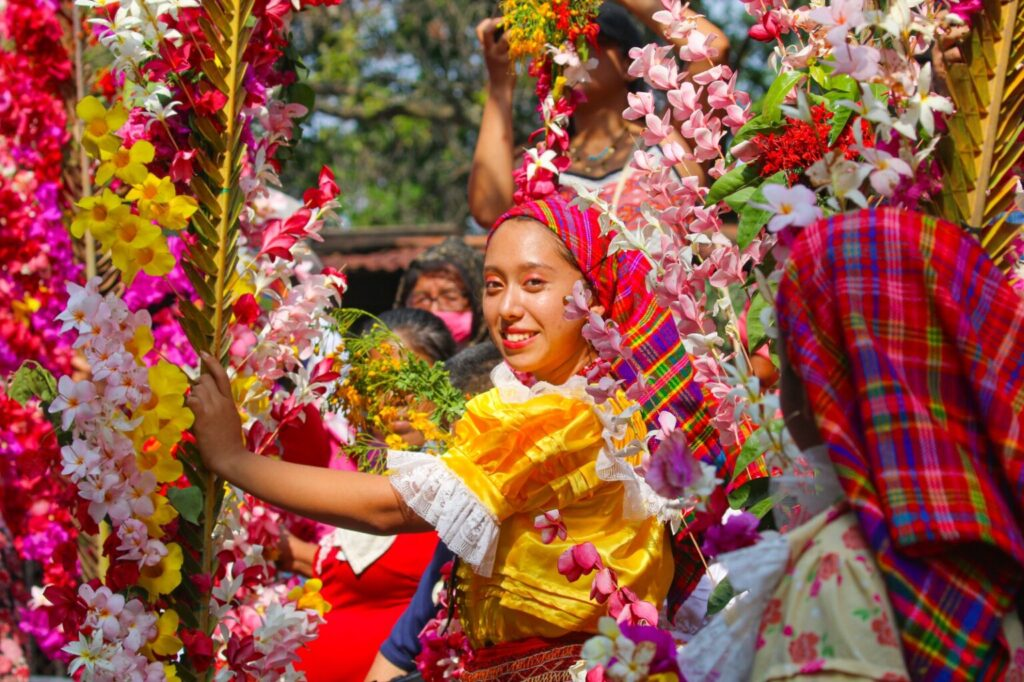
The Cofradía de las Flores and Palmas has been officially inscribed on UNESCO’s Representative List of the Intangible Cultural Heritage of Humanity, following the decision adopted by the Intergovernmental Committee for the Safeguarding of the Intangible Cultural Heritage, which met in New Delhi, India, and announced on December 10.
This inscription marks El Salvador’s first declaration of intangible cultural heritage by UNESCO, marking a milestone in our country’s history and recognizing the richness, depth, and vitality of our living traditions.
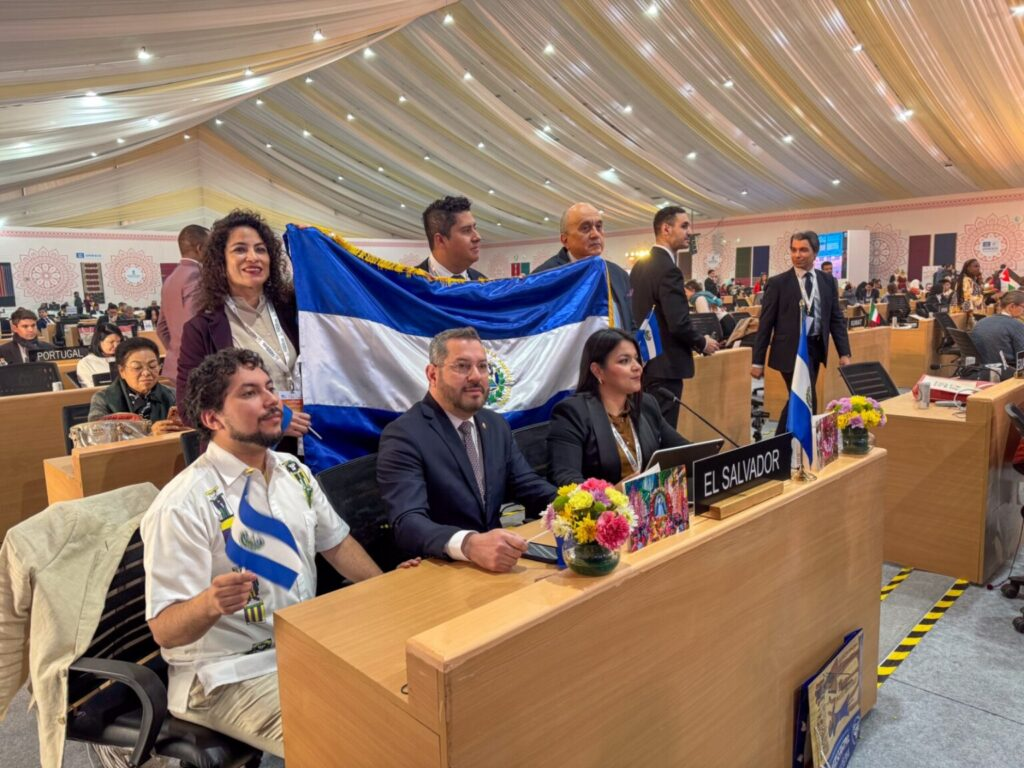
The nomination process, which took two years, was carried out by the Ministry of Foreign Affairs, through the Embassy in France and the Permanent Delegation to UNESCO, and the Ministry of Culture. Their joint effort resulted in a solid, accurate dossier, fully aligned with the 2003 convention.
“As the Ministry of Foreign Affairs, we are grateful and honored that, for the first time, we are included on UNESCO’s Representative List of the Intangible Cultural Heritage of Humanity”, said Vice Minister of Foreign Affairs Adriana Mira, who also pledged to promote this tradition through activities within El Salvador’s diplomatic and consular network.
The Cofradía de las Flores and Palmas is an exceptional testament to the spirituality, collective creativity, and cultural continuity of the Panchimalco community, whose women, bearers, families, and traditional authorities have preserved, transmitted, and renewed this tradition across generations.
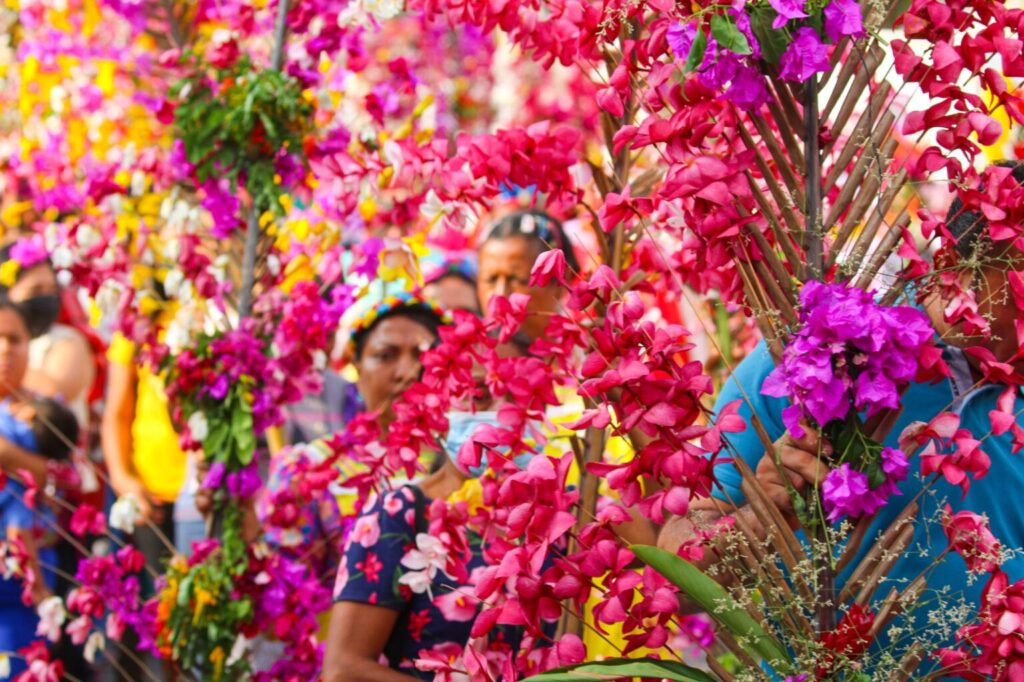
El Salvador reaffirms its commitment to safeguarding this tradition, in close coordination with the community that carries it out, which is and will continue to be a key player in the process. To this end, El Salvador commits to implementing a Post-Inscription Action Plan that will strengthen intergenerational transmission, documentation, local sustainable development, and respect for the ritual significance of the element, in accordance with the principles of the 2003 UNESCO Convention.
This is also the first UNESCO designation in over 32 years, since the Joya de Cerén Archaeological Park, the Late Classic period village abandoned after a volcanic eruption thousands of years ago, was declared a World Heritage Site.
You can also read: