

 A. M.
A. M. 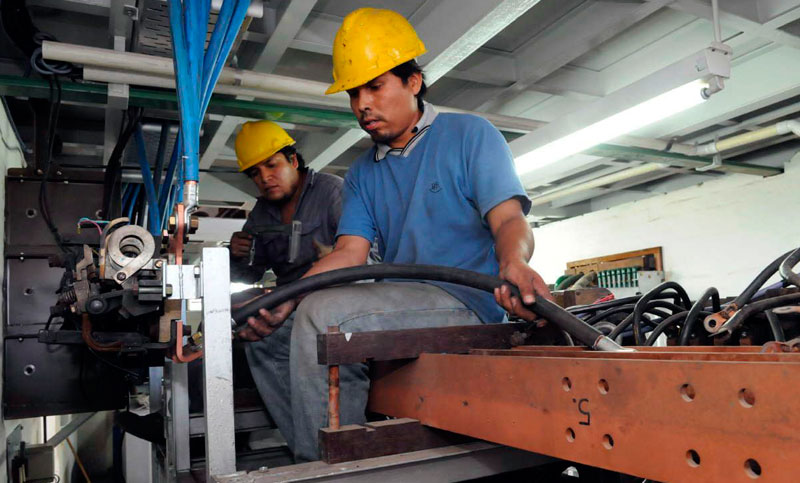
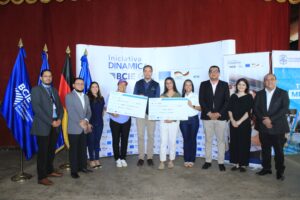
More than 10,000 micro, small, and medium-sized enterprises (MSMEs) in El Salvador could access new financing opportunities and business support thanks to a technical assistance agreement signed between international organizations and the country’s cooperative financial system.
The agreement was signed by the Central American Bank for Economic Integration (CABEI), the German government through the KfW development bank, the European Union, and the Sistema Fedecrédito.
The initiative is part of the DINAMICA II Initiative program, which promotes the strengthening of the business ecosystem in Central America and the Dominican Republic.
Strengthening the financial system to support MSMEs
The agreement includes non-reimbursable technical assistance of US$234,900, resources that will be used to strengthen the capacities of the financial institutions that make up the Fedecrédito network.
As planned in the project, the funds will allow for the development of specialized training and technical support programs for the sales teams of these entities. The goal is to improve the design of financial products geared toward micro, small, and medium-sized enterprises (MSMEs) and expand access to responsible credit for businesses in the country.
Institutional strengthening also aims to improve the service and advice that financial institutions provide to entrepreneurs, making it easier for more businesses to access financing under suitable conditions.
According to project estimates, these improvements could indirectly benefit more than 10,000 salvadoran MSMEs, supporting their growth, consolidation, and job creation capacity within the national productive sector.

Reducing the gap for women entrepreneurs
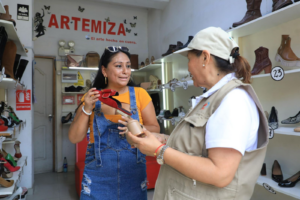
One of the program’s core components is its gender focus, which seeks to reduce the barriers women face when accessing formal financial services.
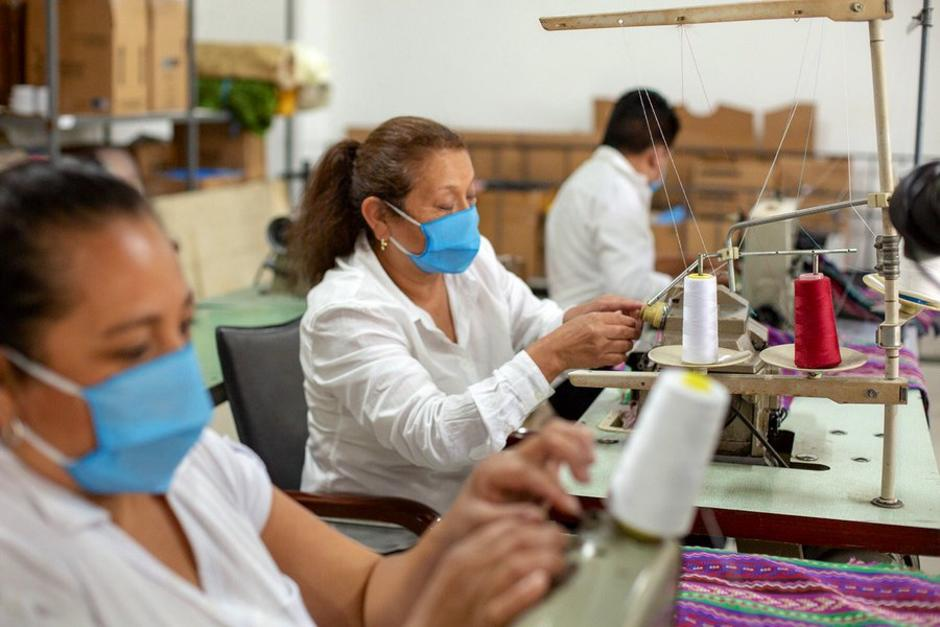
According to data from the report “The State of MSMEs,” prepared by the Observatorio MYPE of FUSAI, approximately 60% of micro and small businesses in El Salvador are owned by women. Furthermore, these businesses also have a significant impact on female employment: 65.5% of those working in women-led businesses are also women, demonstrating the role this business segment plays in generating job opportunities.
Despite this economic importance, women entrepreneurs face greater difficulties accessing the formal financial system.
Limited access to the financial system
Figures from the Observatorio MYPEreflect a significant gap in access to financial services. Only 43.7% of women who own micro, small, and medium-sized enterprises (MSMEs) have a savings account, compared to 60.2% of men.
The difference is also evident in savings capacity. Barely 6% of female entrepreneurs have savings to cope with emergencies, demonstrating greater financial vulnerability to unforeseen events or periods of low economic activity.
Added to this is the cost of financing. According to the same report, 51.5% of women entrepreneurs reported having paid interest rates exceeding 40% on their last loan, a higher percentage than that recorded among male entrepreneurs.
Boosting the regional business ecosystem
Representatives of the program indicated that the DINAMICA II Initiative seeks to strengthen the region’s business ecosystem through partnerships with financial institutions that facilitate access to credit for startups and small businesses.
This type of project aims not only to expand available financing but also to improve the quality of financial services for the productive sector, especially for smaller businesses.
In a country where micro, small, and medium-sized enterprises (MSMEs) represent a significant portion of economic activity, initiatives like this seek to create more favorable conditions for businesses to grow, generate employment, and strengthen their participation in the national economy.
You can also read: