

 A. M.
A. M. 
According to the OECD’s Latin America Economic Outlook 2025, 32% of the loan portfolios of development banks and development finance institutions in Latin America and the Caribbean (LAC) are earmarked for supporting micro, small, and medium-sized enterprises (MSMEs). This figure reflects the strategic role of these entities in a region where access to long-term credit remains limited and capital markets are still shallow.
The OECD notes that development banks have become a key player in driving productive transformation, especially in economies where stock market capitalization represents only 37.4% of GDP, compared to 64.4% in OECD member countries. In this context, public and semi-public financing plays an essential role in bridging investment gaps and supporting sectors that face greater difficulties in accessing financial resources.
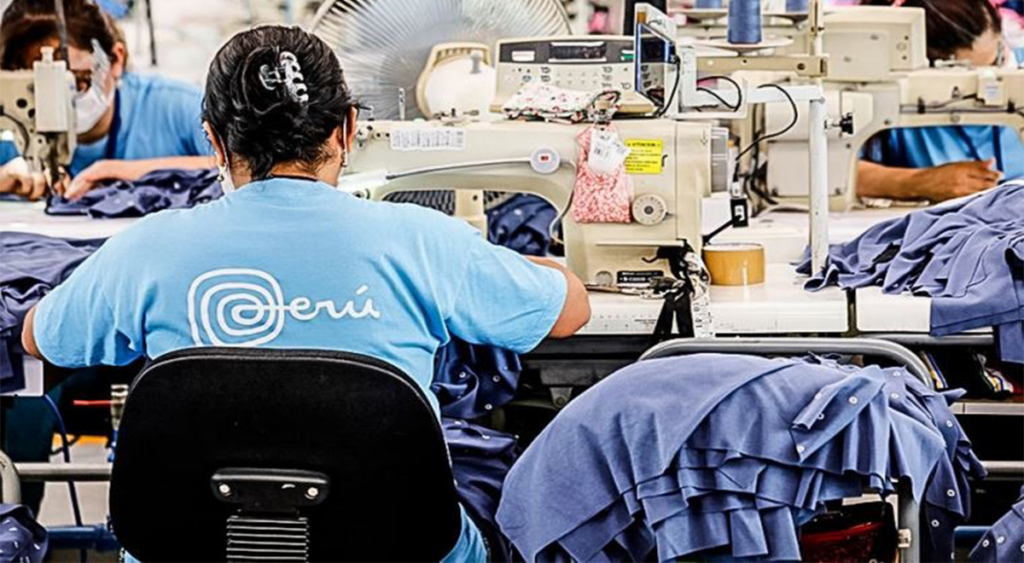
Support for MSMEs strengthens productivity, promotes formalization, and facilitates their integration into more diversified value chains. In addition to credit, these institutions promote technology adoption, innovation, and access to new markets—key factors for improving competitiveness and sustained growth.
The report highlights that development bank support also contributes to export diversification and technology transfer, essential elements for reducing dependence on low value-added activities. By sharing risks with the private sector, these entities help mobilize additional investment and amplify the economic impact of financed projects.
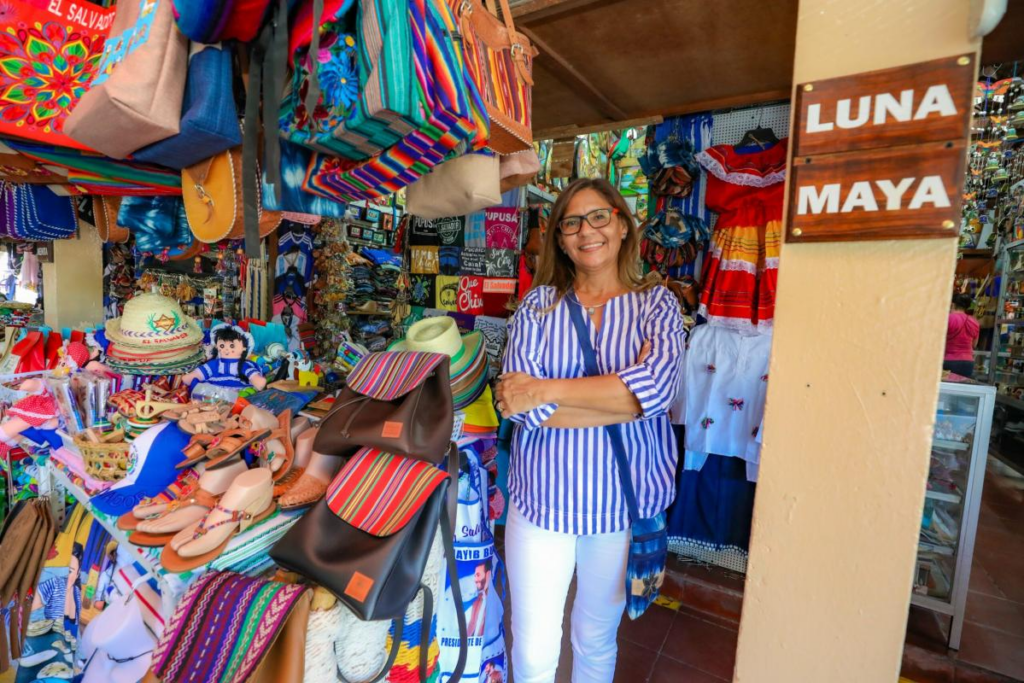
To maximize these benefits, the OECD recommends strengthening coordination among public policies, innovation systems, and development finance institutions. It also underscores the importance of regional cooperation to broaden the reach of financing and reduce costs, especially for projects related to infrastructure, technology, and sustainability.
Overall, the report concludes that development banks’ focus on MSMEs represents a concrete opportunity to advance toward more inclusive, productive, and sustainable growth in Latin America and the Caribbean.
You can also read: