

 dinero_admin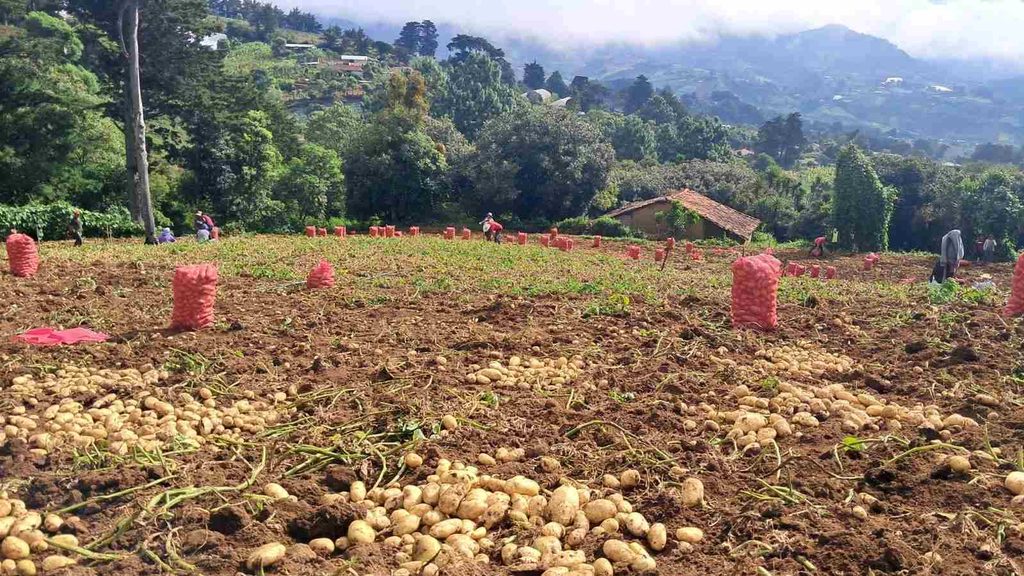
The Ministerio de Agricultura y Ganadería (MAG) Aumento a la ProducciónProgram has grown from working with just 130 blocks to exceeding 160,000 blocks dedicated to vegetables, fruits, and basic grains, according to Óscar Domínguez, the ministry’s ad honorem deputy minister. This expansion aims to strengthen national agricultural production, increase food availability, and contribute to supplying the salvadoran market through a larger volume of domestically grown produce.
According to Domínguez, the program’s first harvests began reaching the market in december 2024. Since then, cultivation areas have expanded, and the domestic supply has been progressively strengthened. The official noted that, since that month, salvadoran agricultural products have maintained a presence in supply markets as part of efforts to ensure food availability for the population.
A key driver of this expansion is the adoption of high-yield seeds, along with the introduction of agricultural technology and mechanization where conditions permit. These measures aim to improve productivity per block that is, obtaining a larger volume of produce from the same land area, thereby boosting crop efficiency and strengthening national production capacity.
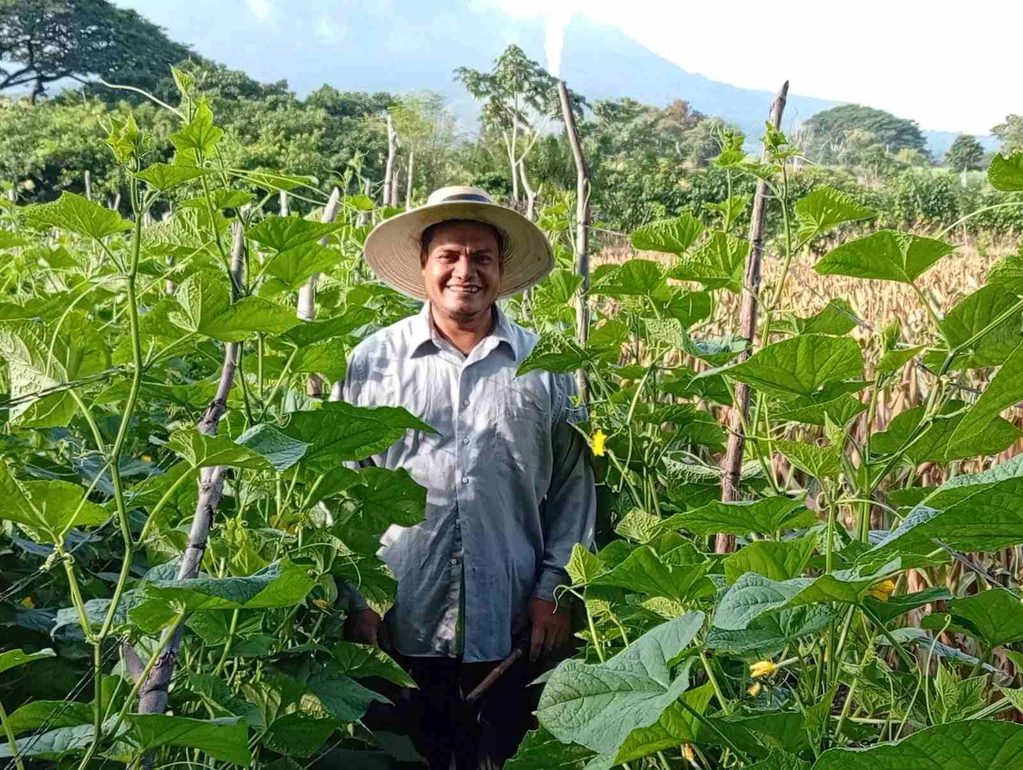
The results are also reflected in the yields reported by MAG. For corn, production rose from 40 to 140 quintals per block, while bean production increased from 15 to 50 quintals per block. Tomato production volumes can reach up to six times the levels previously recorded. Domínguez clarified that these results depend on agronomic management, seed quality, and the level of technology applied to each crop.
Water availability is another crucial factor in sustaining agricultural production. According to the official, more than 3,500 blocks of vegetable crops are equipped with irrigation systems, while over 70% of the land dedicated to basic grains has access to supplemental irrigation. The remaining areas are in zones where rainfall typically favors crop development. This distribution is particularly significant given the risks the El Niño phenomenon poses to farmers who rely solely on rainfall.
In economic terms, strengthening local production expands the supply of domestically grown food and helps stock the markets. However, the official noted that the supply will continue to rely on both national production and necessary supplementary imports. This means the goal is not to depend exclusively on local harvests, but to ensure product availability in line with market needs.
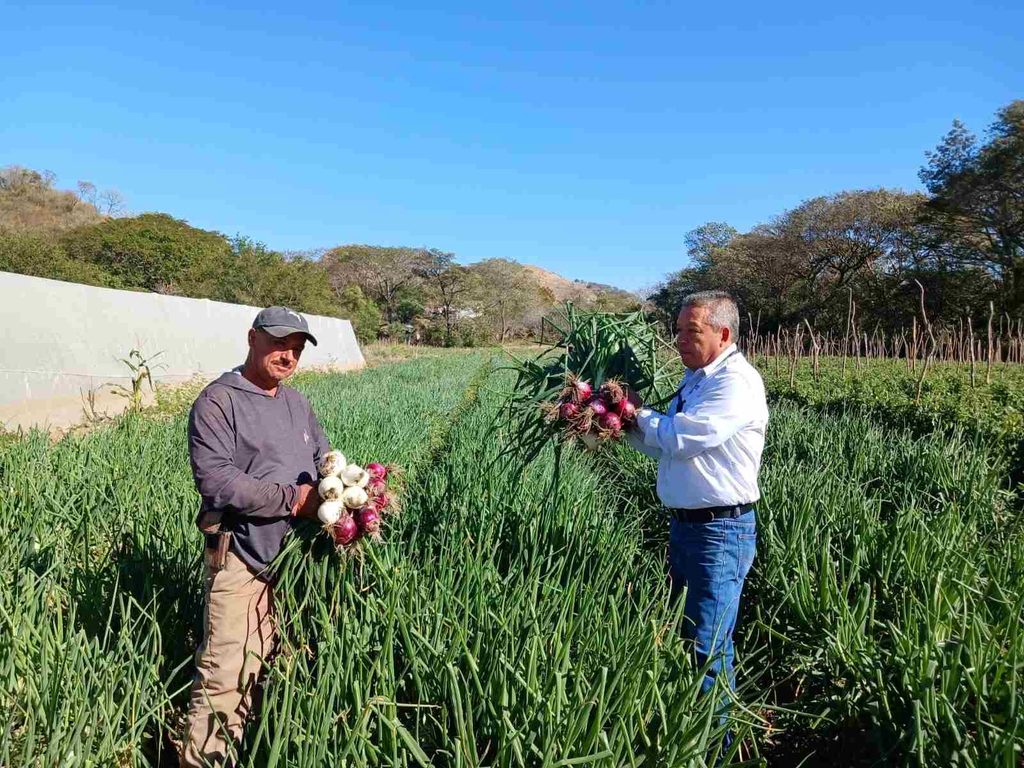
Domínguez also said that, in anticipation of the effects of a strong El Niño event, the government,in coordination with the World Food Programme (WFP), the Food and Agriculture Organization of the United Nations (FAO), and the Instituto Interamericano de Cooperación para la Agricultura (IICA), has provided support to more than 100,000 families. He explained that the declaration of an emergency will allow for a significant increase in the number of beneficiaries, especially given the risks facing subsistence farmers.
Production zones mentioned by the official include Las Aradas in Chalatenango; San Cayetano in San Vicente Sur; Ostúa and Guajoyo in Metapán; La Palma, San Nicolás, and Tonacatepeque; as well as areas in Santa Ana and Ahuachapán. These territories are part of the agricultural areas the program aims to strengthen.
The expansion of cultivated land and reported increases in yields represent progress in El Salvador’s agricultural productive capacity. The challenge will be to sustain those results in the face of weather conditions, maintain the availability of inputs and water, and ensure a continuous flow of produce to markets. Strengthening the agricultural sector is significant for the economy due to its contribution to the food supply and the productive activity it generates in rural areas.
You may also read: