

 dinero_admin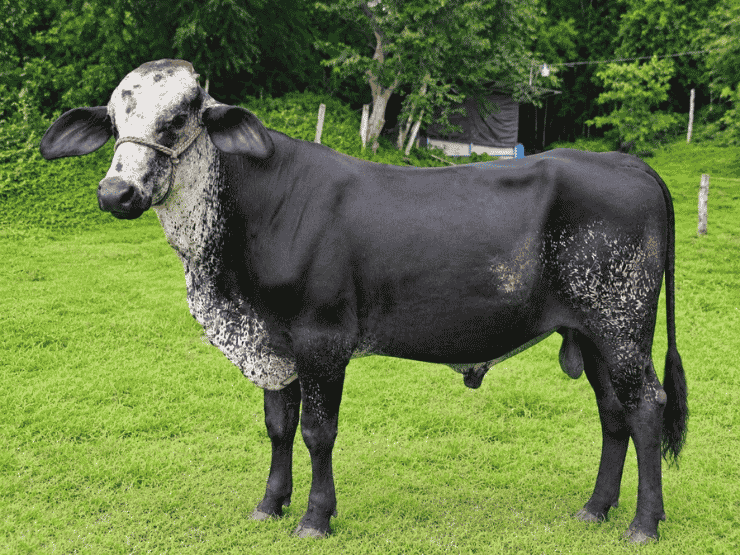
Oscar Domínguez, the honorary Deputy Ministerio de Agricultura y Ganadería (MAG), announced the availability of new genetic material designed to boost cattle breeding and improve the country’s livestock herds. The institution offers sires of various breeds and semen doses for producers looking to introduce high-value genetic traits into their herds.
According to Domínguez, the bulls in MAG’s breeding lineup are set to sire thousands of calves nationwide. The strategy aims to provide livestock farmers with genetic improvement options tailored to the country’s production conditions.
Available breeds include Senepol, Brown Swiss, Girolando (3/4 Holstein), and Guzerat. The selection also features Angus, Red Brahman, Gyr, Holstein (Red and Black Holstein-Friesian), Jersey, Nelore Pinto (Black and Red), and Girolando F1 sires.
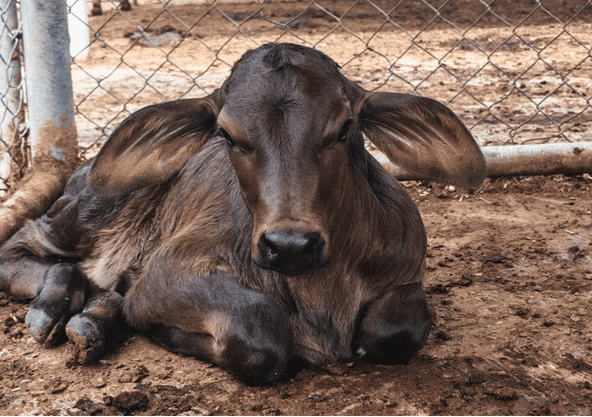
This breed diversity allows for work on various production and adaptability traits. Genetic improvement, achieved through sire selection and the use of semen, enables the incorporation of desirable characteristics into herds as part of planned breeding programs, ultimately enhancing the performance of future cattle generations.
Semen doses starting at US$2.83
MAG noted that semen doses are available starting at US$2.83, expanding producers’ access to genetic material for their breeding programs. These doses can be used via artificial insemination, a method that allows farmers to utilize the genetics of select sires without the need to keep such a bull on their own farms.
As part of this expanded offering, MAG recently added two Santa Gertrudis bulls, the result of a joint initiative with the Bitcoin Office of El Salvador. One of these breeding animals was brought in from Texas, USA, to become part of the genetic resources available to El Salvador’s livestock sector.
In addition to marketing genetic material, the MAG runs free artificial insemination campaigns for small-scale livestock operations. The program aims to give smaller producers access to tools for animal reproduction and genetic improvement, enabling them to incorporate selected genetic material.
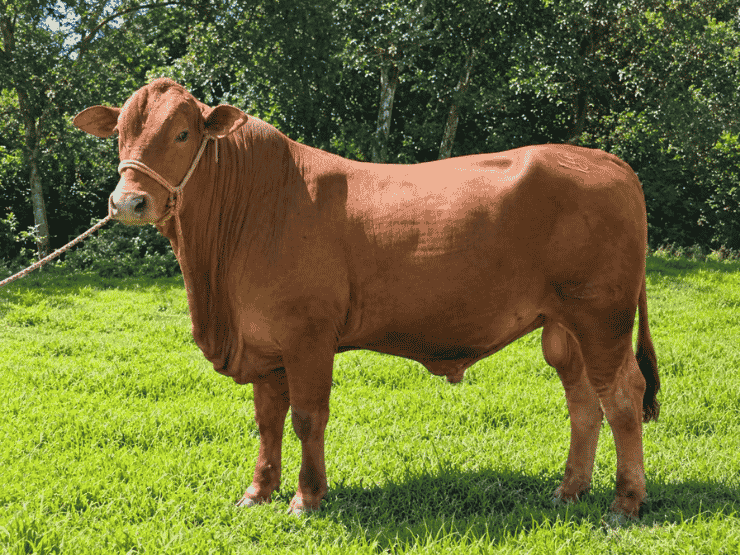
The Ministry also continues its embryo transfer program, another assisted reproduction technique that allows for the multiplication of offspring from animals with desirable genetic traits. These tools are part of broader efforts to expand the options available for improving livestock herds.
Doses of genetic material can be purchased from the MAG’s Animal Reproduction unit at the El Matazano facility. Interested producers can check the availability of different breeds, prices, and purchasing procedures through the institution’s service channels.
By introducing new breeding animals and providing access to semen, artificial insemination, and embryo transfer, the MAG aims to expand salvadoran livestock farmers’ access to reproduction and genetic improvement tools, with the goal of progressively enhancing the quality of the country’s herds.
You may also be interested in: