

 dinero_admin
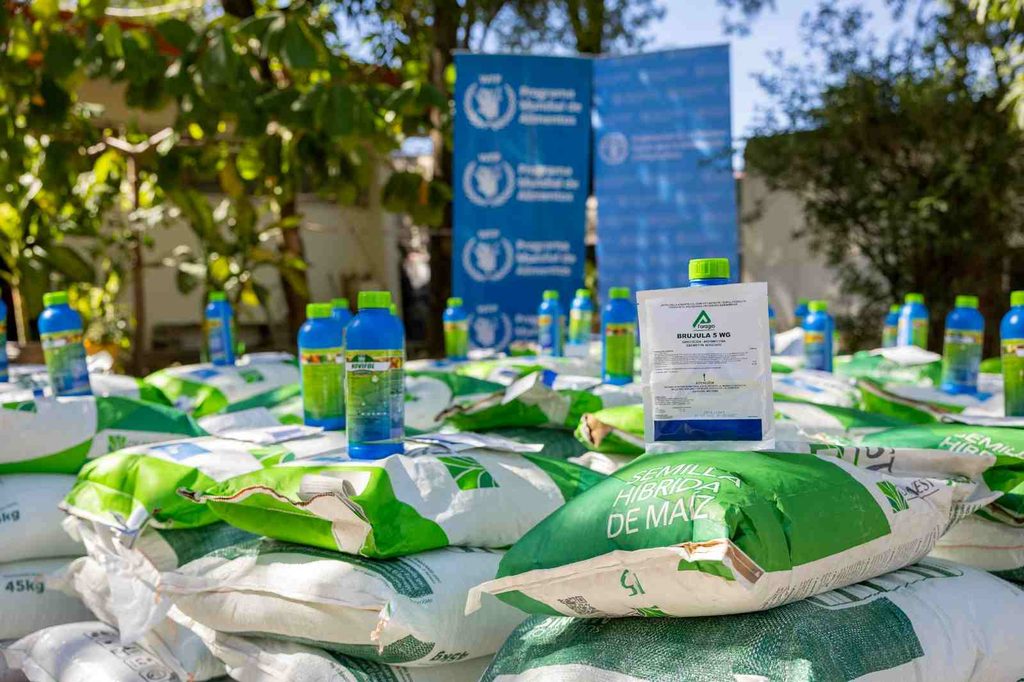
The Ministerio de Agricultura y Ganadería (MAG) in coordination with the Food and Agriculture Organization of the United Nations (FAO) and the World Food Programme (WFP), has completed the distribution of 590 agricultural kits to maize farmers in western El Salvador. This effort is part of a strategy to sustain the national production of basic grains in the face of impacts associated with the 2026 El Niño phenomenon. The final distribution event of this first phase took place on november 19 in the municipalities of Metapán and Texistepeque, in the department of Santa Ana.
The initiative is aimed at farming families who have access to water for irrigation, enabling them to continue their agricultural activities despite drought conditions. The supplies provided are intended to facilitate the resowing of maize and help maintain the national food supply, particularly regarding basic grains.
Deputy minister of Agriculture Óscar Domínguez explained that beneficiaries were selected based on monitoring conducted across various regions of the country. He noted that the farmers included in this distribution were chosen because they have access to nearby water sources, which provides the necessary conditions for continued cultivation. He further indicated that this event marks the conclusion of the first phase of distribution in the western region.
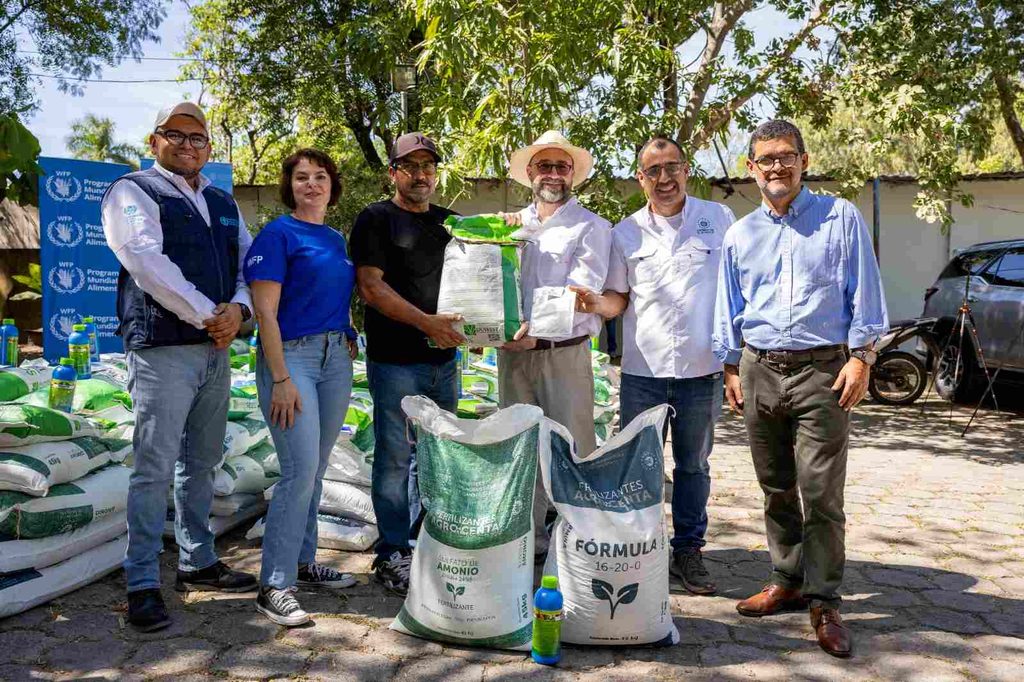
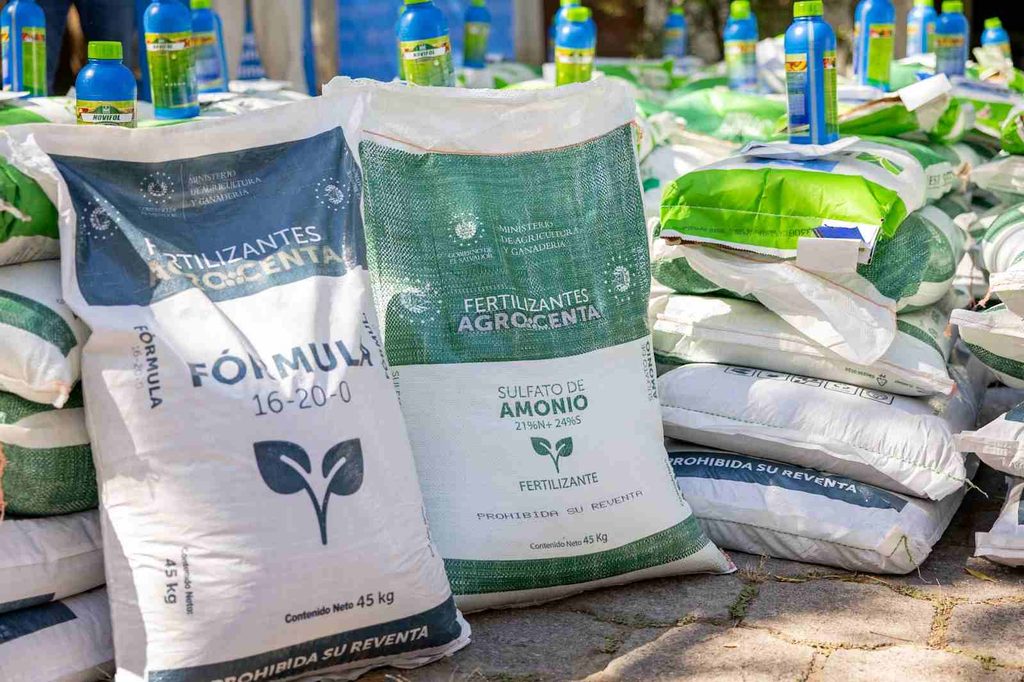
Each agricultural kit contains hybrid maize seeds, two quintals of 16-20-0 formula fertilizer, two quintals of ammonium sulfate, one liter of foliar fertilizer, and a 100-gram packet of insecticide. These products are designed to support the various stages of cultivation, from resowing through plant development, by providing the seeds and inputs needed to improve production conditions.
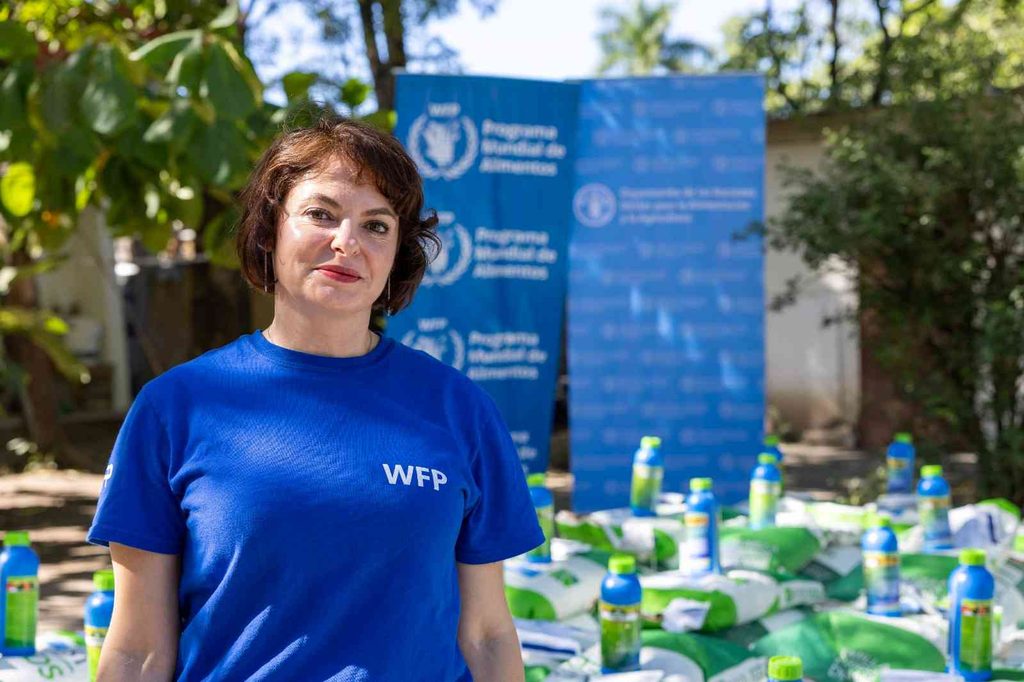
María Guimarães, WFP Representative and Country Director in El Salvador, highlighted that these anticipatory actions help support subsistence farmers and prepare families for the potential impacts of drought. As explained, the objective is to contribute to the food security of thousands of Salvadoran households and the communities that depend on agricultural activity.
The FAO representative in El Salvador, Jorge Samaniego, highlighted the coordination between the institutions and explained that the provision of agricultural inputs complements the investments made by the farmers themselves. He also noted that producers receive guidance and technical assistance to ensure the proper use of resources and the maintenance of their crops.
The strategy goes beyond the mere distribution of agricultural supplies. It also includes capacity building through Escuelas de Campo para Agricultores (ECA), where participants receive training on crop management and the application of inputs. This is supplemented by technical support throughout the production process, as well as subsequent assistance with the commercialization of harvests, aimed at facilitating farmers’ access to markets and improving their sales opportunities.
Farmer Rosa Magdalena Palma noted that this support translates into savings for the beneficiary families; she also highlighted the training received on the use of agricultural inputs and the management of maize crops. Furthermore, as part of national efforts to address drought, the World Food Programme (WFP) has provided cash transfers to small-scale producers and families, enabling them to purchase food according to their needs, protect their livelihoods, and contribute to the economic activity of their communities. Additionally, more than 8,000 people have benefited from anticipatory action programs designed to help them prepare before the effects of drought impact their income and food security.
Through these initiatives, the MAG, the FAO, and the WFP aim to strengthen the resilience of farming families in the face of climatic conditions, ensure the continuity of crop production, and bolster the national production of basic grains. The strategy focuses on combining the provision of agricultural inputs, training, and technical assistance to contribute to the country’s food security.
You may also read: