

 A. M.
A. M. 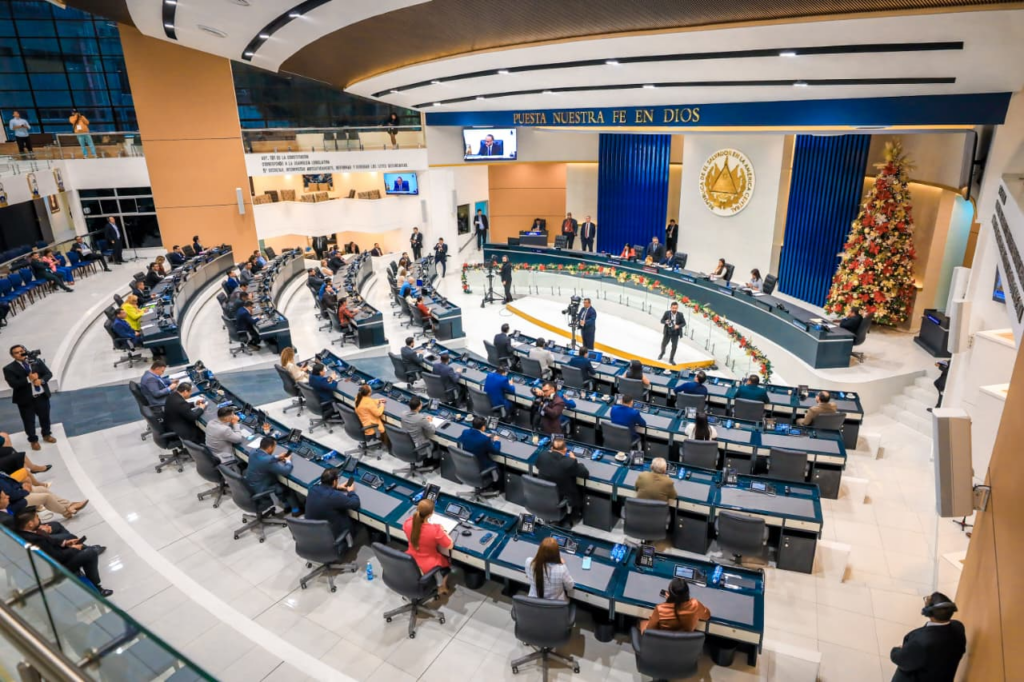
The Legislative Assembly approved the General State Budget and Special Budgets for fiscal year 2026, along with the Salary Law, with 57 votes in favor and 1 against. The total budget amounts to US$10,555.6 million, maintaining a balanced budget for the second consecutive year, with no fiscal gap and no additional financing.
The spending plan represents an increase of US$892.6 million, equivalent to a year-on-year growth of 9.2% compared to 2025. This increase is supported by the State’s own revenues, such as tax collection and non-reimbursable resources, which will cover both current expenditures and domestic and external debt obligations.

From an economic perspective, the budget prioritizes continued public investment in sectors considered strategic for growth and social welfare, including education, health, public safety, defense, and early childhood programs—areas that account for a significant portion of the increased spending.
One of the most significant changes in the 2026 budget is the elimination of the fixed 6% allocation historically given to the Supreme Court of Justice. This allowed the Ministry of Finance to reallocate resources based on operational plans and actual needs. As a result, the remaining funds were redistributed to other key institutions for economic and social activity.
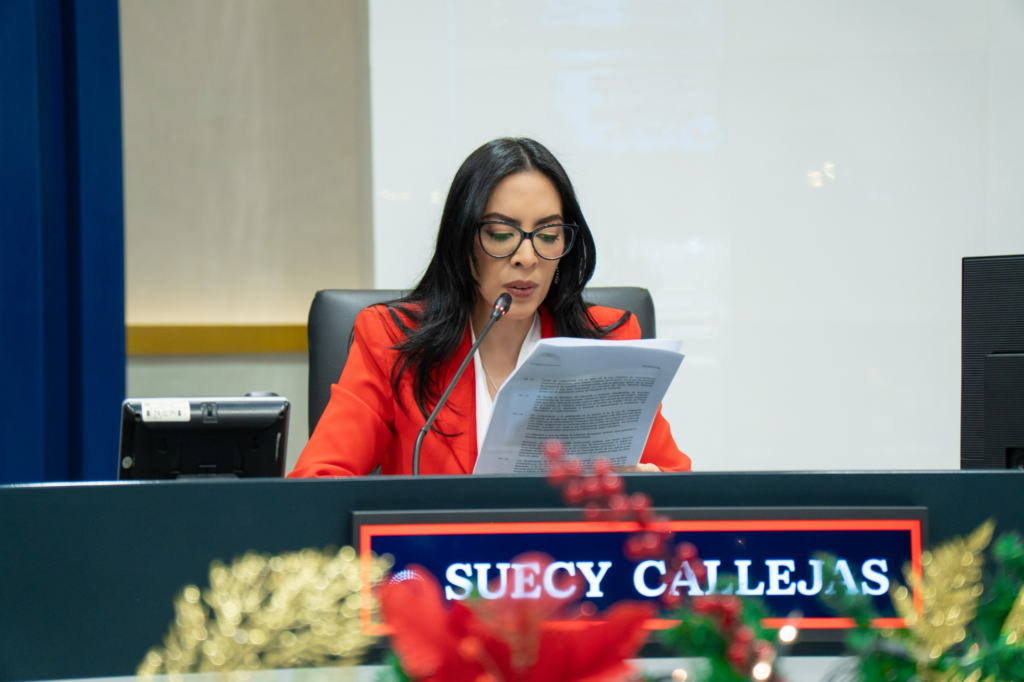
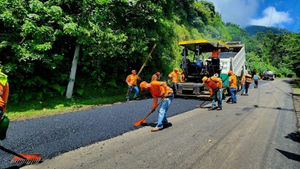
Of these reallocated resources, US$40 million will be allocated to the education sector, US$20 million to health, US$23.3 million to agriculture and livestock, US$50 million to public works and transportation, and US$30.8 million to the Treasury, strengthening areas related to productivity, infrastructure, and fiscal management.
Authorities clarified that this redistribution does not modify the total amount of the approved budget, but rather optimizes its use, allowing for a more efficient allocation of public spending. In economic terms, the 2026 budget aims to sustain state investment, improve resource allocation, and support economic growth under a framework of fiscal balance.
You can also read: