

 A. M.
A. M. 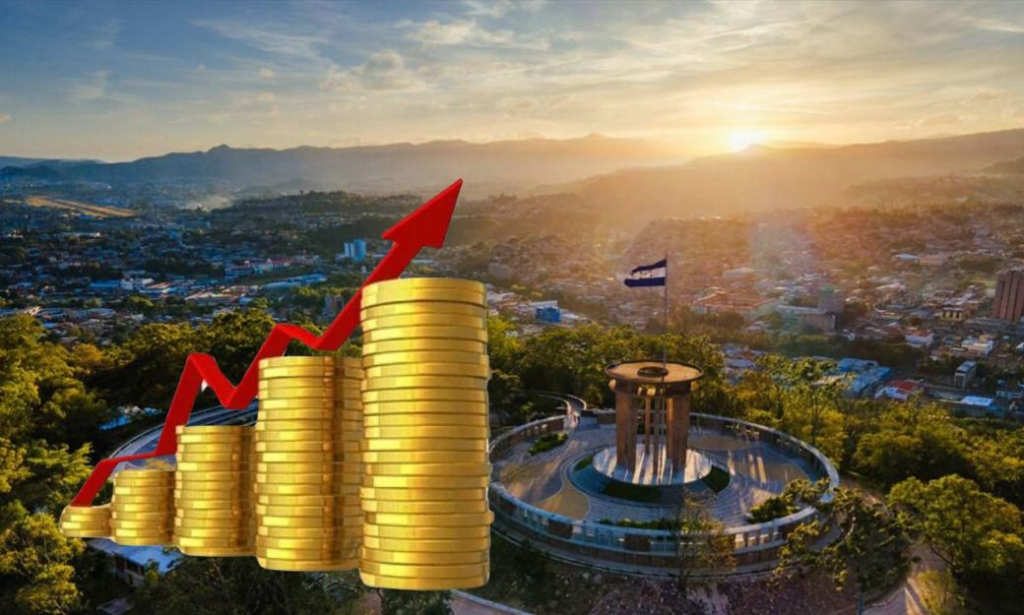
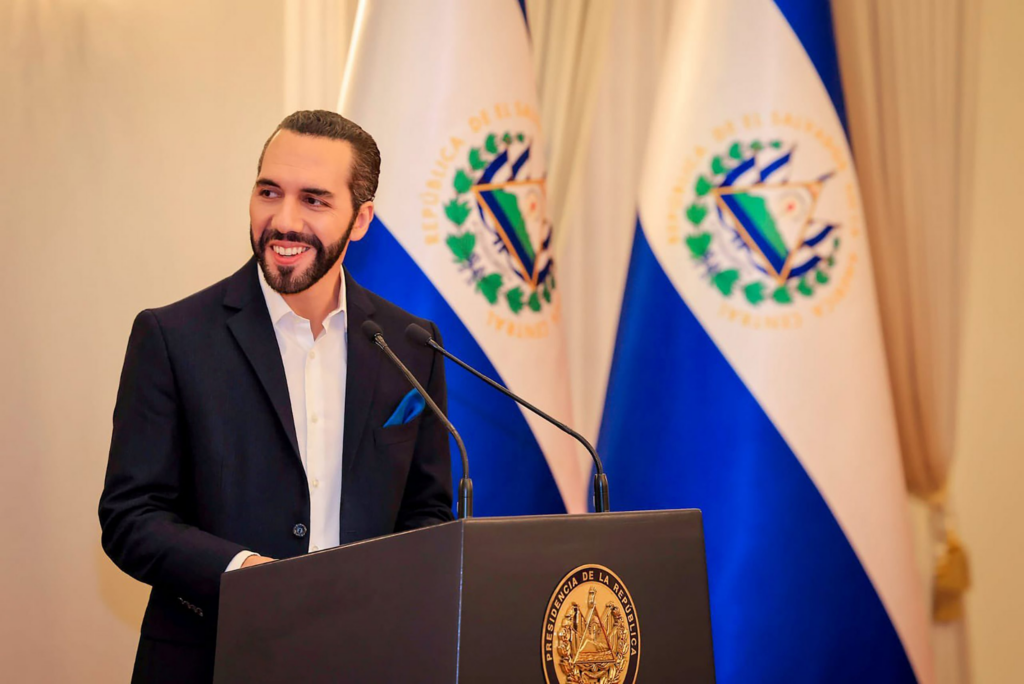
The Fundación para el Desarrollo de Centroamérica (FUDECEN) estimates that El Salvador’s Gross Domestic Product (GDP) grew 4.1% year-on-year in the second quarter of 2025, its highest level since 2023. This figure coincides with the 4% projection recently announced by President Nayib Bukele. The result reflects a period of economic dynamism driven by strategic sectors that are sustaining productive activity.
Sectors leading growth
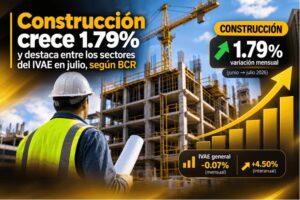
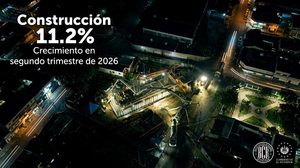
The main driver of the economy was construction, which registered 33.9% growth, supported by more than 120 real estate projects and large-scale public works such as the Pacific Airport and the Francisco Morazán Viaduct. This sector has become a key driver for job creation and the stimulation of other economic activities.
At the same time, financial activities grew by 7.6%, reflecting greater intermediation and access to financial services, while transportation and storage advanced by 7.0%, driven by the movement of people, goods, and services.
Private consumption and remittances
Private consumption continues to play a stabilizing role in the economy, with average growth of 2.2% between 2023 and 2025. This performance has been supported by the steady flow of remittances, which reached US$2,499.7 million in the second quarter of 2025 alone, strengthening household spending power and sustaining domestic demand.
Context and challenges
FUDECEN points out that this positive performance is occurring within an international environment characterized by uncertainty and a moderate slowdown, highlighting the resilience of the salvadoran economy. At the same time, the report warns that some of the current dynamism depends on short-term factors, especially in sectors like construction, making the challenge to consolidate more permanent productive bases.

Tourism: An engine with a long-term vision
Among the sectors with the greatest structural potential, tourism stands out, along with transportation and financial services. Accommodation and food services activities show high potential for sustained growth over time. This performance is already reflected in a $784.8 million surplus in the services balance, which contributes to external equilibrium and foreign exchange earnings.
Overall, FUDECEN concludes that the 4.1% GDP growth confirms a favorable phase for the salvadoran economy, in line with official projections, and opens the opportunity to strengthen sectors with the capacity to drive more sustained development in the medium and long term.
You can also read: