


 A. M.
A. M. 
Exports of tourism services from Latin America and the Caribbean (LAC) have grown faster than the global average over the past decade, solidifying tourism as one of the region’s main drivers of foreign exchange. According to the Inter-American Development Bank’s (IDB) annual report on socioeconomic and sustainable development in Latin America and the Caribbean, between 2014 and 2024, these exports grew at a cumulative annual rate of 5.2%, exceeding the sector’s global growth rate of 3.3% annually.
This dynamism allowed LAC’s share of global tourism services exports to increase from 5.1% in 2014 to 6.2% in 2024, reflecting the region’s greater presence in international trade. In terms of value, tourism exports reached almost US$108 billion in 2024, representing 6.3% of the region’s total exports of goods and services and 42.3% of total service exports.
Globally, tourism services represent 5.4% of total trade and 19.7% of trade in services, demonstrating that in Latin America and the Caribbean, tourism’s export weight is more than double the world average, confirming the sector’s high specialization in the region.

The performance of tourism is also reflected in the trade balance. In 2024, imports of tourism services totaled US$65 billion, generating a surplus of nearly US$43 billion. All subregions showed positive balances, with the exception of South America, where the deficit is concentrated mainly in Brazil and, to a lesser extent, in Argentina.
Growth has been particularly strong in areas where tourism has the greatest economic impact. Between 2014 and 2024, tourism service exports grew by 6.3% annually in the Caribbean and 6.4% in Central America, doubling the global growth rate. In the latter subregion, countries such as Costa Rica, Panama, the Dominican Republic, and El Salvador stand out, where tourism already represents between 15% and 40% of total exports and exceeds 5% of GDP, solidifying its position as a pillar of economic activity.
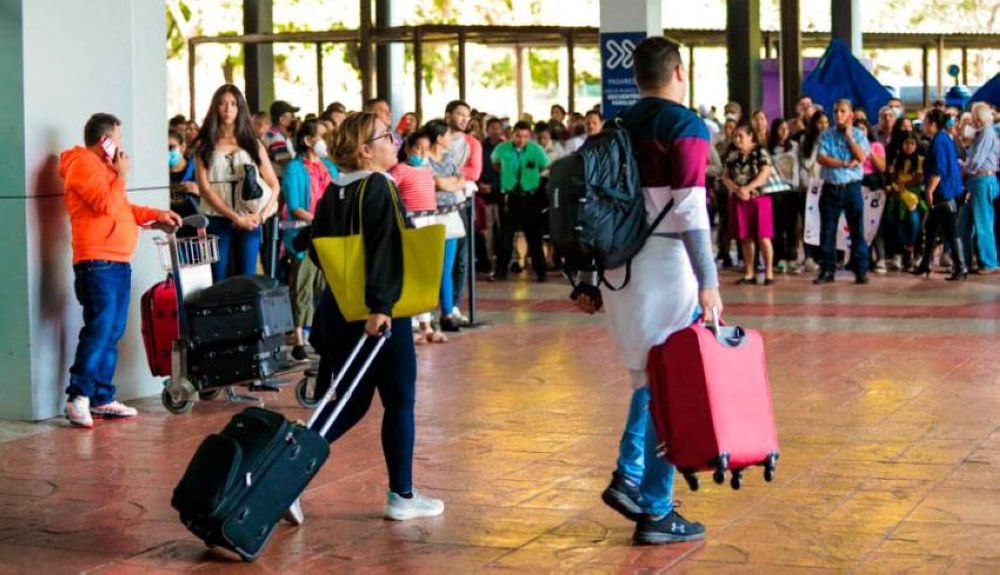
Despite regional progress, average tourist spending remains below the international standard. In 2024, visitor revenue in Latin America and the Caribbean was US$938, almost 20% lower than the global average of US$1,184, which presents the challenge of strengthening the tourism offering and increasing the added value of services.
Taken together, the data confirm that tourism has established itself as one of the most dynamic sectors in Latin America and the Caribbean. For countries like El Salvador, this regional growth opens opportunities to further position tourism as a key source of exports, foreign exchange earnings, and sustainable economic development.
You can also read: