

 dinero_admin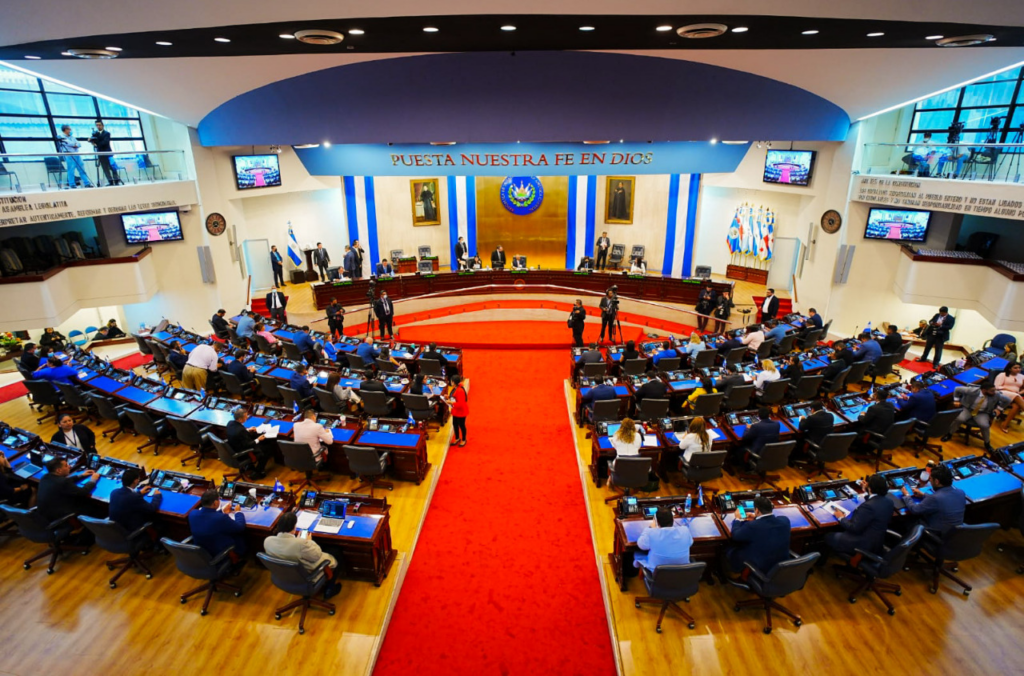
With a large majority of 56 votes, the Legislative Assembly approved reforms to the Law on Industrial and Commercial Free Trade Zones with a strong economic focus, aimed at boosting investment, stimulating reinvestment, and strengthening El Salvador’s competitiveness in international trade.
The main impact of the modifications lies in the expansion of tax incentives, a measure designed to attract domestic and foreign capital in the context of increased global demands. By updating a legal framework in effect since 1998, the country seeks to adapt to new production, technological, and logistical dynamics, generating more favorable conditions for business growth and job creation.
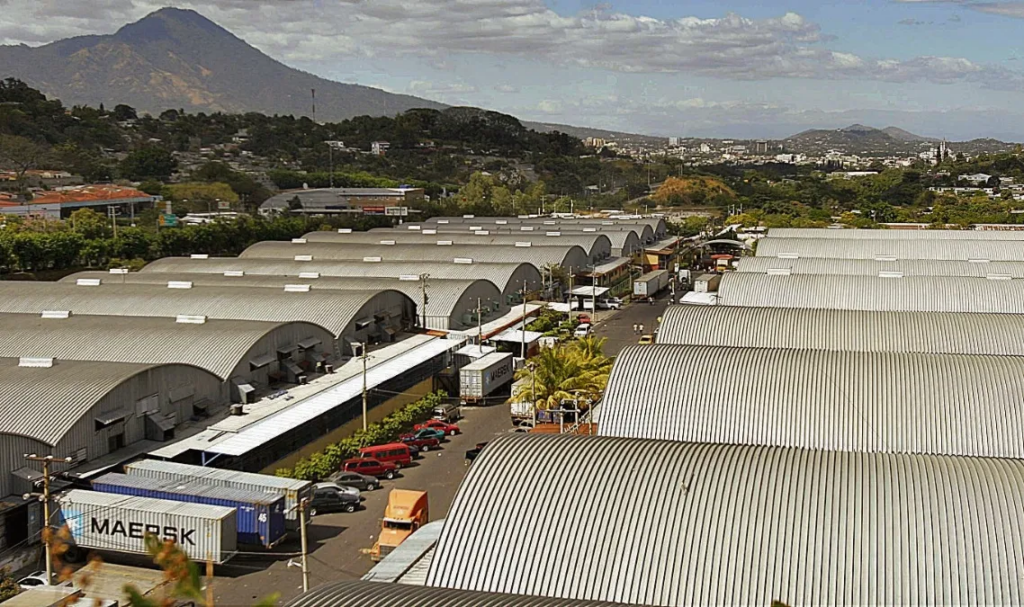
Among the most significant changes is the possibility of extending tax exemption periods for up to 10 additional years after the original term expires. To access these benefits, developers and users of free trade zones, as well as inward processing facilities (DPA), must demonstrate increased investment in the country and a 100% increase in job creation, thus reinforcing the link between tax incentives and real economic growth.
The reforms also allow these additional exemption periods to be requested more than once, provided the established requirements are met. This mechanism aims to encourage continuous reinvestment, the expansion of operations, and the long-term sustainability of productive projects, generating greater economic and labor stability.
From a financial perspective, another key element is the establishment of a two-year grace period for beneficiaries whose current terms are expiring. During this time, companies can maintain their tax incentives while making new investments to remain within the regime. If they fail to meet the required conditions, they will be required to pay the corresponding taxes, introducing a transitional framework that reduces abrupt impacts on economic activity.

Additionally, the reforms expand the scope of the regime to the services sector, establishing that users of free trade zones located in authorized service parks will be legally considered as if they were operating within a free trade zone. This provision opens new opportunities to attract investment in high value-added activities, such as business, technology, and logistics services.
Taken together, the amendments to the Free Trade Zone Law aim to create a more attractive environment for investment, boost job creation, and strengthen the country’s productive capacity, positioning the salvadoran economy better to face the challenges and opportunities of the international market.
You can also read: