

 dinero_admin
46.4% of people in El Salvador would be willing to purchase savings products, such as personal savings accounts, to protect their families or assets against climate events, according to data from the Banco Central de Reserva (BCR), obtained through the Encuesta Nacional de Inclusión y Educación Financiera. The result shows that, faced with climate risks, the population prioritizes creating their own financial reserves as the main protection mechanism.
The BCR data indicates that this preference reflects a greater appreciation of formal savings as a tool to cope with unforeseen expenses resulting from phenomena such as floods, storms, or droughts. However, it also shows that many people still do not have these resources and consider them an option to acquire, which underscores the need to strengthen financial inclusion.
Secondly, 16.2% of respondents stated they would not purchase any product to protect themselves against weather events, which could increase their economic vulnerability to such emergencies. This decision may be associated with income limitations, a lack of awareness of financial alternatives, or a low perception of risk.
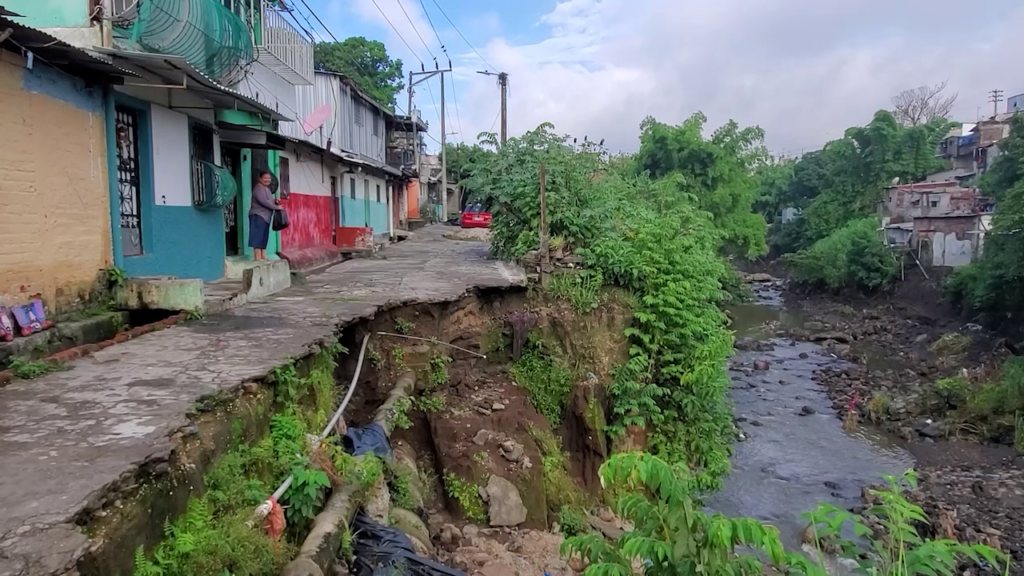
Insurance products are the third most popular option, with 15.5% of respondents preferring them. Although insurance is a key tool for risk management, its lower adoption suggests barriers related to cost, available coverage, or a lack of information about its benefits.
Meanwhile, 12.9% of people would opt for loans, whether from financial institutions, family members, or other sources, as a response to weather events. This behavior implies a reactive strategy that can generate debt and financial strain in the medium term.
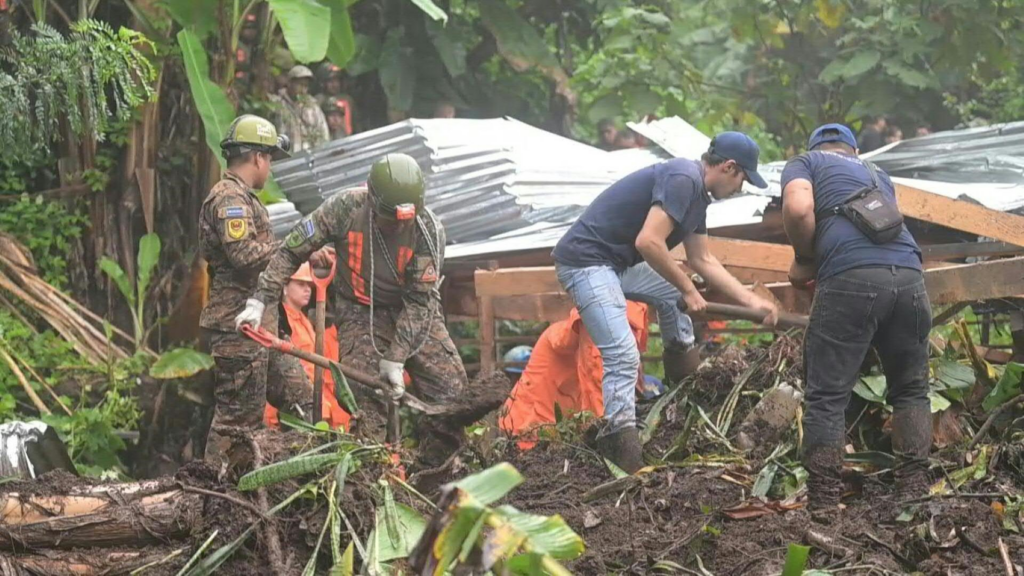
Other alternatives show limited participation. Only 7.0% considered relying on government subsidies or programs, while just 1.7% mentioned investments such as bonds or stocks. The category of “other mechanisms” represents a mere 0.3%, demonstrating a low diversification of financial options.
According to the BCR’s Encuesta Nacional de Inclusión y Educación Financiera, the results highlight the importance of promoting accessible savings products, strengthening financial education, and expanding knowledge about insurance and other protective instruments, especially in a country highly vulnerable to the effects of climate change.
You can also read: