

 A. M.
A. M. 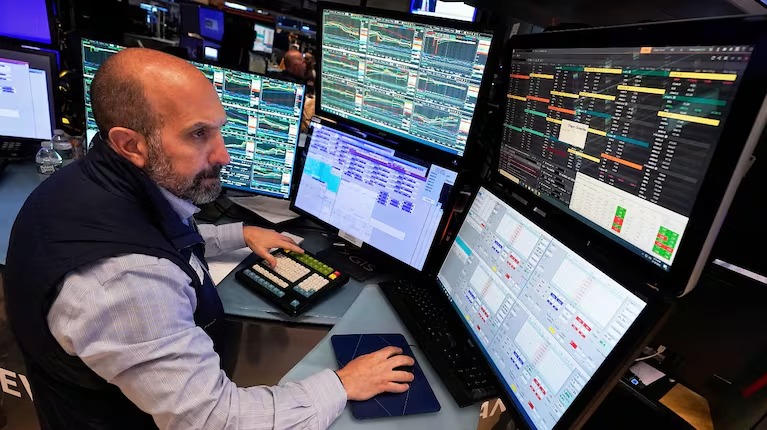
Major U.S. stock markets registered sharp declines on thursday amid growing economic uncertainty stemming from the conflict with Iran and soaring oil prices. According to CNN, geopolitical tensions and the risk of energy supply disruptions generated concern among investors and triggered another day of volatility in the stock markets.
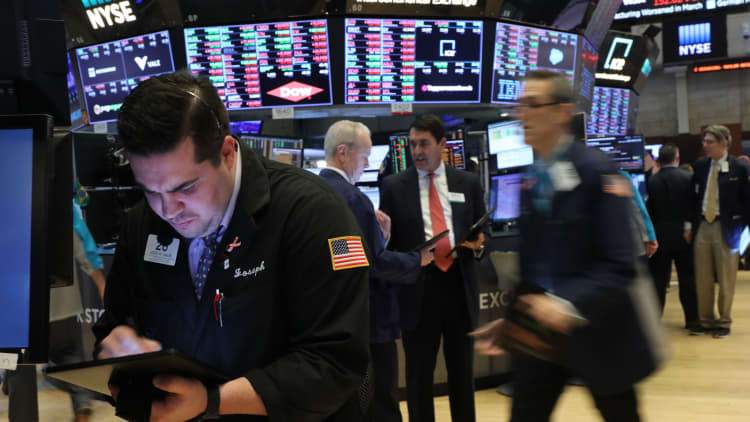
During the trading day, the three main Wall Street indexes closed with losses exceeding 1%. The Dow Jones Industrial Average fell 655 points, equivalent to a 1.38% drop. Meanwhile, the S&P 500 declined 1.3%, while the Nasdaq Composite registered the largest drop of the day, plummeting 1.66%.
Analysts point to market nervousness as being related to the potential impact of the Middle East conflict on the global energy supply. The rise in oil prices is fueling fears of higher inflation and potential negative effects on global economic growth.
Alongside the stock market decline, oil prices saw a sharp increase. US crude rose nearly 9.8%, reaching US$95.83 per barrel. Brent crude, used as a global benchmark for the energy market, also increased by about 9.3%, reaching US$100 per barrel.
The rise in crude prices came after Iran’s new Supreme Leader, Mukhta Khamenei, warned that the strategic Strait of Hormuz would remain closed as a form of pressure in the conflict. This waterway is considered one of the most important in the world for energy trade, as approximately 20% of global oil consumption passes through it.
The situation in this strategic region has become one of the most influential factors in international markets. Analysts point out that any prolonged disruption to oil flows could put further pressure on energy prices and negatively impact the performance of economies globally.
Given this scenario, U.S. Energy Secretary Chris Wright stated that the strait must be reopened, while military operations in the region continue.
The impact of the conflict was also reflected in other financial indicators. US Treasury yields rose as investors adjusted their expectations in anticipation of potential inflationary pressure stemming from higher energy costs. The yield on the 10-year Treasury note reached 4.24%, its highest level since early february.
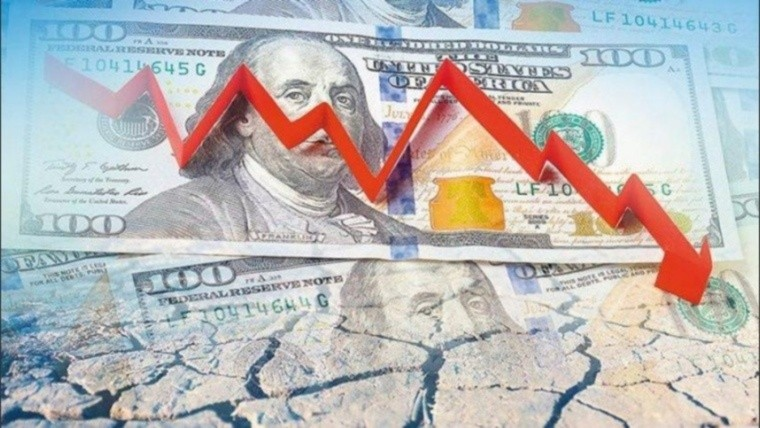
At the same time, the US dollar strengthened against other international currencies due to increased demand for safe-haven assets during times of economic uncertainty. The dollar index rose by about 0.4%, reaching its highest level of the year.
Volatility was also reflected in the rise of VIX, known as Wall Street’s “fear gauge” which climbed nearly 9% during the day.
Analysts agree that market behavior will continue to depend heavily on the evolution of the conflict and the situation in the Strait of Hormuz. If tensions persist or oil supplies remain restricted, financial markets are likely to continue facing periods of instability in the coming days.
You can also read: