

 dinero_admin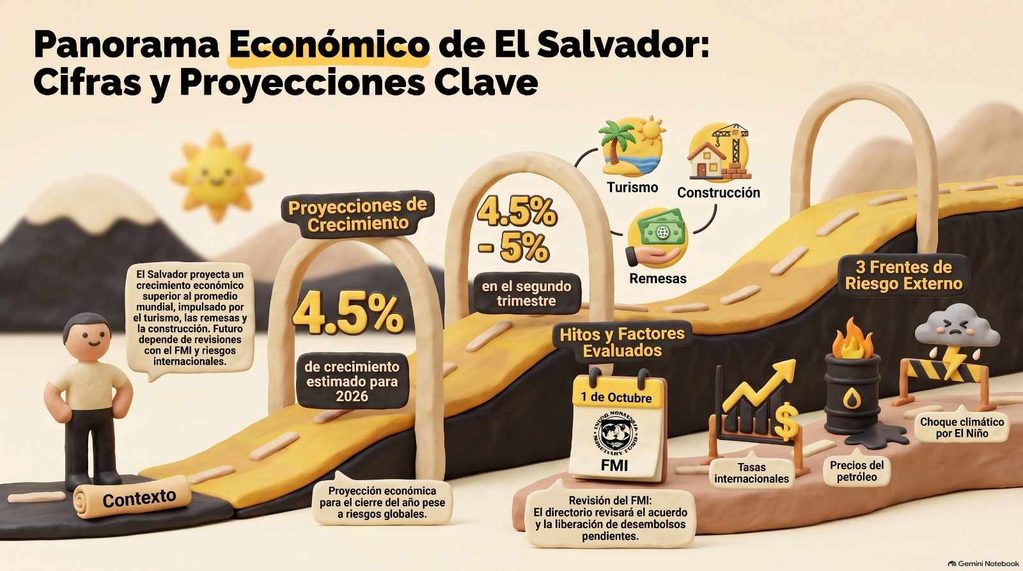
El Salvador could end 2026 with economic growth close to 4.5%, despite risks facing the global economy, according to an analysis by engineer Mauricio Choussy, former president of the Banco Central de Reserva (BCR), during a television interview.
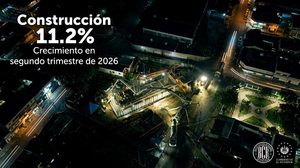
Choussy explained that the global economy continues to grow, albeit at a slower pace, driven in part by heavy investment in artificial intelligence and technology. Regarding El Salvador, he noted that the country is growing above the global average and estimated that the figure for the second quarter could fall between 4.5% and 5%. However, he warned that the pace might moderate in subsequent quarters due to factors such as slower expansion in the construction sector and a contraction in remittances.
IMF to review agreement with El Salvador
During the interview, Choussy explained that the International Monetary Fund (IMF) Executive Board is set to review the agreement with El Salvador on october 1. He detailed that there would be three main topics: the approval of two pending reviews, government requests to modify the agreement and its timeline, and the decision regarding outstanding disbursements.
The analyst noted that this review would provide greater clarity on the program’s status and determine whether the country will receive the overdue installments, either in full or in part, or if it must wait until specific conditions are met.
Tourism, remittances, and construction
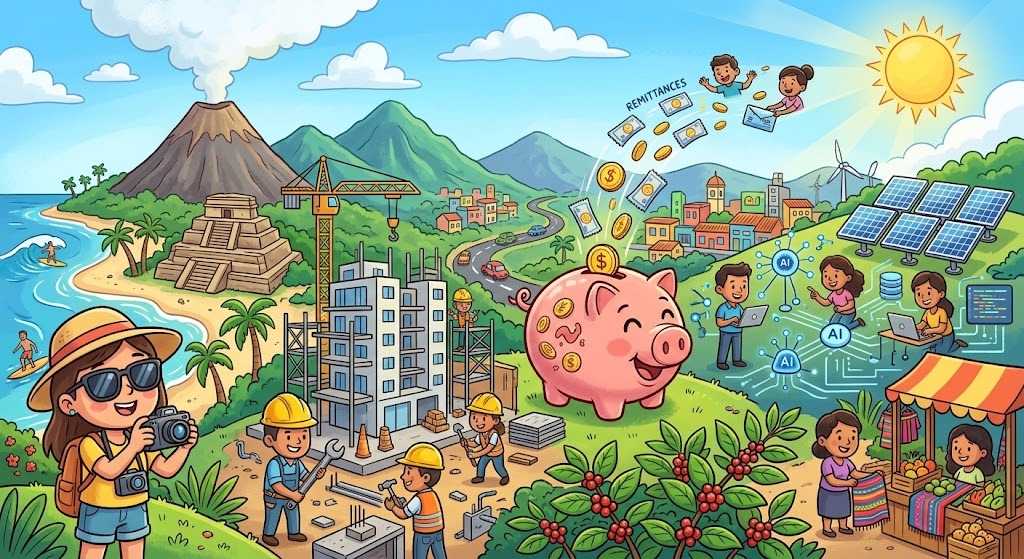
Choussy attributed part of El Salvador’s growth to improved security, which, according to his analysis, has boosted both domestic and international tourism. He also highlighted trends in remittances, particularly the transfer of savings by salvadorans living in the United States amidst uncertainty regarding immigration policies.
The former BCR president also linked growth in the construction sector to investments made by salvadorans living in the United States to improve or build homes in their home communities. Regarding a potential real estate bubble, he stated that he does not currently see a systemic risk to the banking sector, although he acknowledged that some developers could face difficulties if they fail to find enough buyers.
Interest rates and prices remain risks
Another risk highlighted by Choussy is the rise in international interest rates, driven by government financing needs and massive investments in technology. This could increase borrowing costs for developing nations and impact El Salvador.
He also warned that the energy shock and oil prices would continue to exert upward pressure on global inflation. Compounding this is the El Niño phenomenon, which could affect the prices of commodities such as corn and other food products. According to Choussy, El Salvador must prepare in advance to prevent these factors from hitting household living costs particularly hard.
In Choussy’s view, while El Salvador maintains a growth outlook of around 4.5%, the economy’s performance will depend largely on external factors and the trends in remittances, construction, energy prices, and international financial conditions.
You may also want to read: