dinero_admin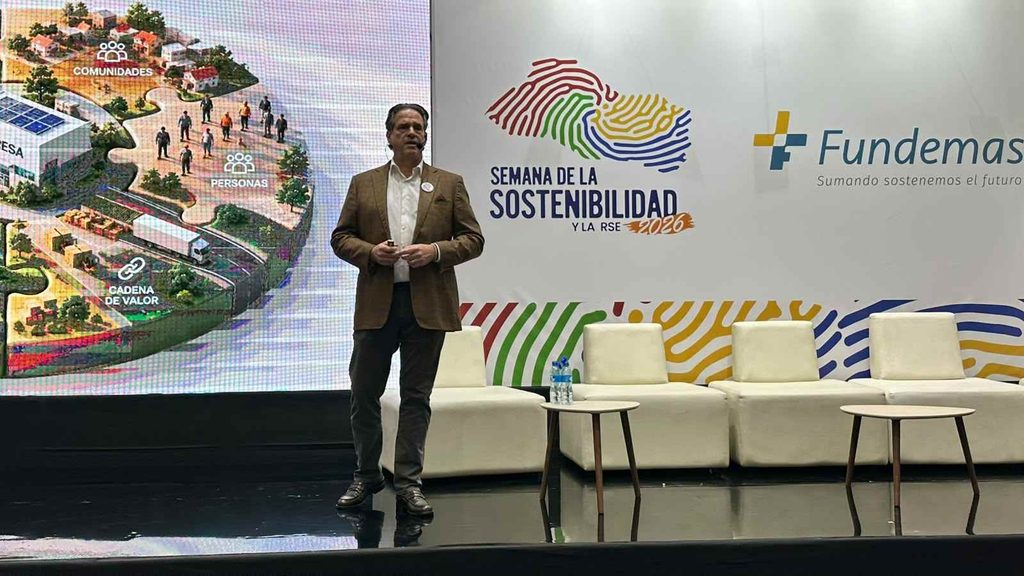
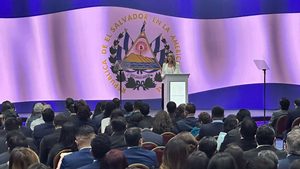
The Fundación Empresarial para la Acción Social (FUNDEMAS) launched the 14th edition of Semana de la Sostenibilidad y RSE 2026, this tuesday. The event brings together business leaders, national and international specialists, and representatives from various sectors to analyze the challenges organizations face amidst technological, economic, environmental, and social changes. This year’s edition focuses on the theme “Sustainability in Times of Disruption: Resilience, Competitiveness, and Financing” and is supported by nearly 100 partners.
During the opening session, FUNDEMAS President Tomás Regalado focused his remarks on the importance of companies and organizations having sufficient information to make better decisions. He noted that while many companies track data on their own operations, such as water consumption, gaps remain regarding conditions in the territories where they operate, including water availability, climate, biodiversity, and other environmental factors.
Regalado explained that relying solely on internal data is no longer enough and highlighted the need to incorporate territorial information into planning. As an example, he pointed out that a company might know how much water it uses but not necessarily how much is available in rivers or aquifers, how long those reserves can last, or how their availability might impact local communities and productive activities.
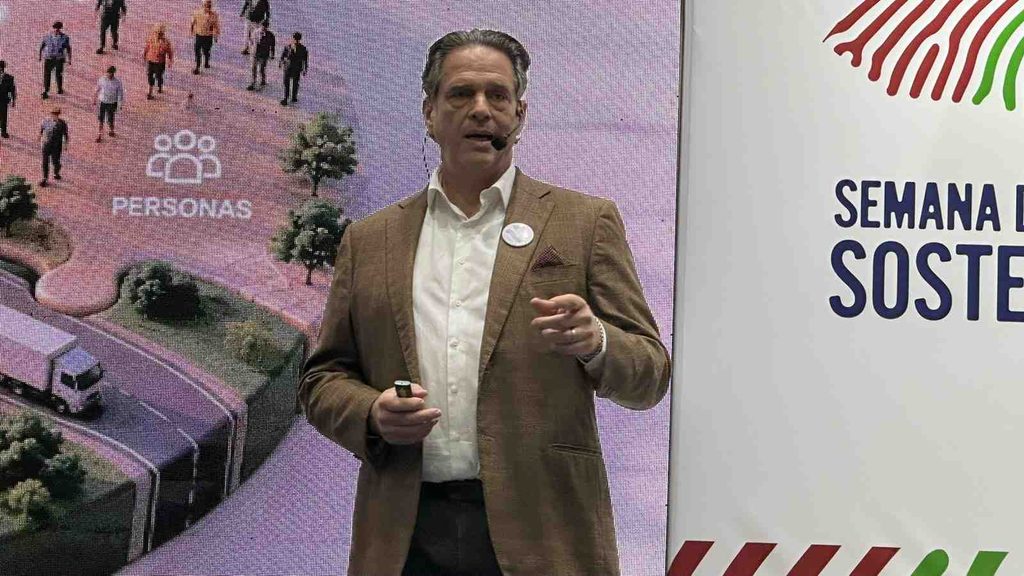
The FUNDEMAS president also urged consideration of demographic shifts when designing products and services. He explained that while five generations coexisted in 1990, there are now seven generations present in society; this creates new needs for organizations and necessitates an analysis of how the profiles of consumers and the people they serve are changing.
Climate change was another key topic of his presentation. Regalado noted that the global temperature has already risen by 1.4 degrees compared to baseline levels from approximately 150 years ago, when industrialization began,and explained that there are various scenarios for the coming decades, some of which project additional increases of up to 4.5 degrees.
He also addressed changes in rainfall patterns, warning that El Salvador is facing less predictable conditions than in the past. In this context, he cited a scenario involving up to 26% less rainfall, which could impact aquifers, communities, agriculture, and businesses reliant on water resources.
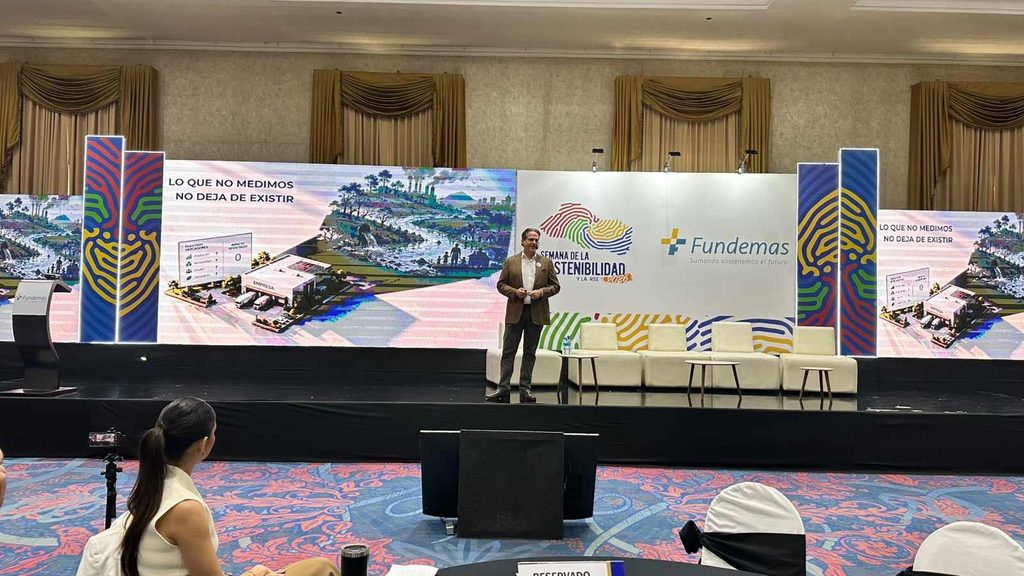
Considering these changes, Regalado maintained that the goal of generating projections should not be to instill fear, but rather to use the data to anticipate risks. He noted that combining various layers of information, such as climate, water, biodiversity, and territorial conditions, can help determine where projects are viable and under what conditions, particularly for sensitive sectors like tourism.
As part of this vision, he proposed creating a “digital twin” of the country that integrates demographic, environmental, water, and climate information, alongside historical and current data. He explained that such a tool would allow for the analysis of different scenarios prior to decision-making and could be utilized by businesses, communities, universities, and other societal stakeholders.
Artificial intelligence also played a significant role in the opening event. The agenda featured a lecture titled “Responsible AI: Redefining the Sustainable Future of Business”, delivered by Darren Gallop, CEO and co-founder of the canadian company Carbide; he discussed the need to leverage these technologies within governance frameworks that account for risks, ethics, and corporate responsibility.
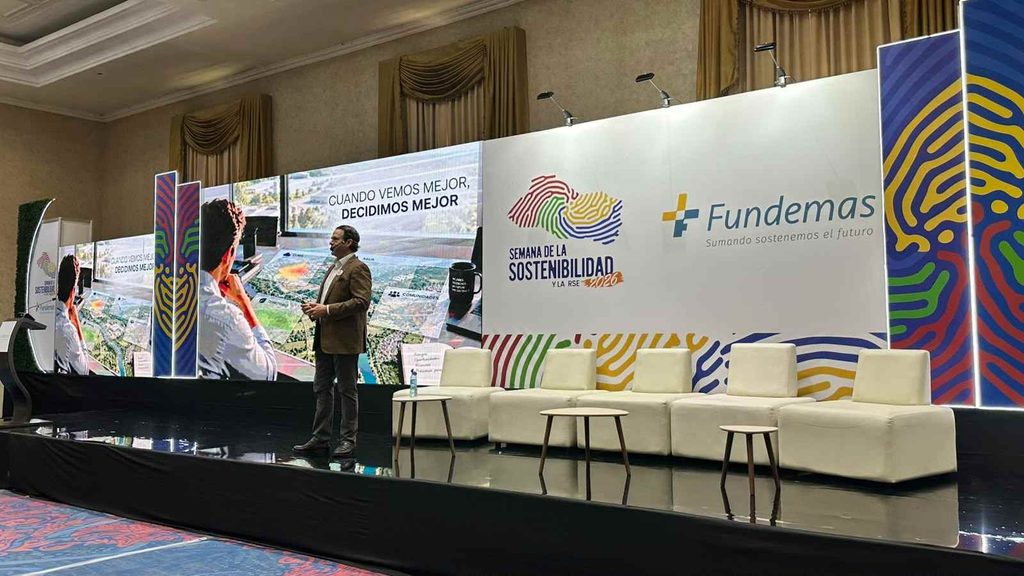
The discussion continued with a panel titled “Between Humans and Algorithms: Ethical Limits, Neurorights, and Safeguarding the Individual in the Age of AI”, featuring José Luis Giammattei, Tony Carbonero, Eduardo Lovo, and Father Noel Quezada. The event also incorporated an international perspective from Duccio Bandini, Ambassador of the European Union to SICA, who gave a presentation on sustainability within the European cooperation strategy.
The inaugural program also featured a discussion titled “Business Resilience: Leading in an Environment of Global Uncertainty”, with Edwin Escobar, CEO of Grupo ARISTOS, and Gabriela Rivera, Vice President of FOAM Industrial, moderated by Regalado. For FUNDEMAS, resilience entails companies being able to anticipate risks, adapt to changes, responsibly incorporate new technologies, and transform sustainability challenges into opportunities for growth and competitiveness.
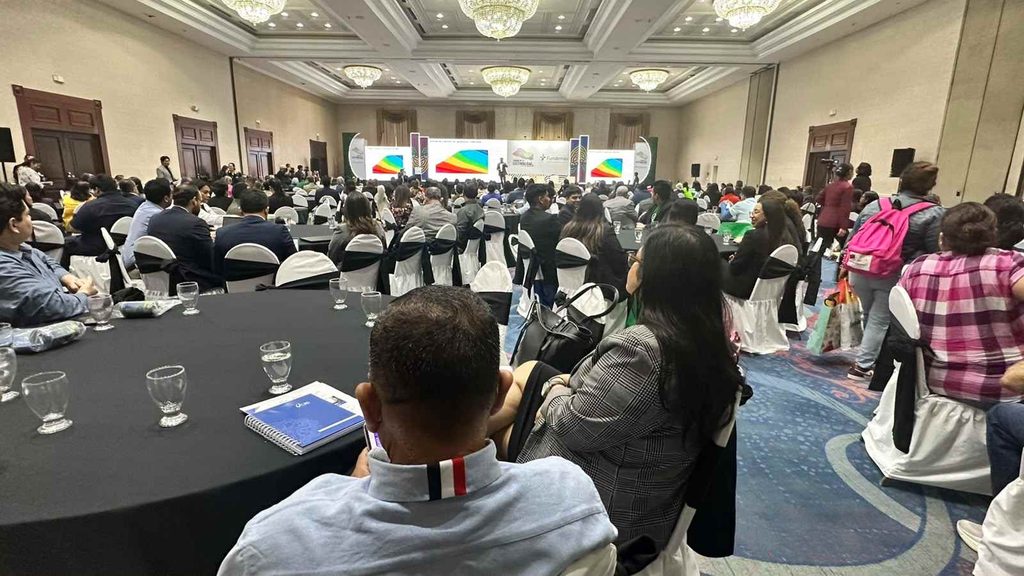
The 14th Semana de la Sostenibilidad y RSE 2026, will run until friday, october 9, featuring sessions focused on environmental and risk management, sustainable investment and finance, business growth, talent, innovation, and trade opportunities between El Salvador and the European Union. Through this initiative, FUNDEMAS aims to update the business sector and encourage the strategic integration of sustainability into business models and the decisions that will determine their ability to adapt to a changing environment.
You may also be interested in: