

 A. M.
A. M. 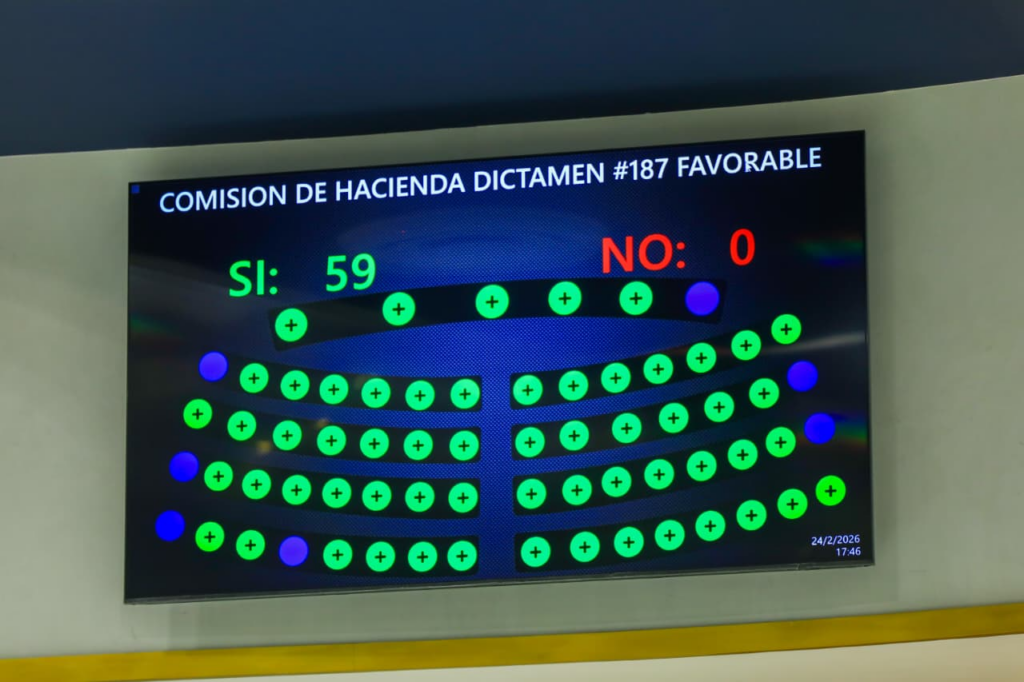
The Legislative Assembly, with 57 votes, authorized a US$150 million loan agreement between the Salvadoran government and the Inter-American Development Bank (IDB) to implement a comprehensive drainage plan and modernize the flood warning system in the Área Metropolitana de San Salvador (AMSS).
The financing will allow for the development of the project called “Support for Flood Control in the San Salvador Metropolitan Area”, which aims to reduce the population’s vulnerability to extreme weather events and improve urban infrastructure for stormwater drainage.
Structural problem in the AMSS
During the analysis of the initiative, representatives from the Ministry of Finance explained that the recurring floods in different parts of the AMSS are due to several factors that have accumulated over the years. Among them they mentioned the obsolescence of vaults and collectors, the accelerated growth of urbanization that has reduced the areas of natural infiltration, the lack of infrastructure to retain rainwater and the inadequate disposal of solid waste.
According to the above, these conditions have increased the vulnerability of communities, homes, and roads, especially during the rainy season.
Works and technological modernization
The project will be executed by the Ministerio de Obras Públicas y Transporte de El Salvador and is divided into four components.
The first component includes the design and construction of retention ponds in the Buenos Aires ravine in Santa Tecla and in the Merliot ravine in La Libertad. It also includes the rehabilitation of drainage systems in areas such as Colonia Médica and Santa Lucía, as well as work on culverts and drainage structures.
The second component focuses on institutional strengthening. This includes updating the AMSS Drainage Master Plan, preparing pre-investment studies, implementing technical training programs in risk management, and conducting public awareness campaigns on the proper management of solid waste.
The third pillar of the program consists of the design and implementation of an early warning system with sensors for real-time data measurement and transmission. Communication and information analysis systems will also be improved to optimize inter-institutional coordination during emergencies.
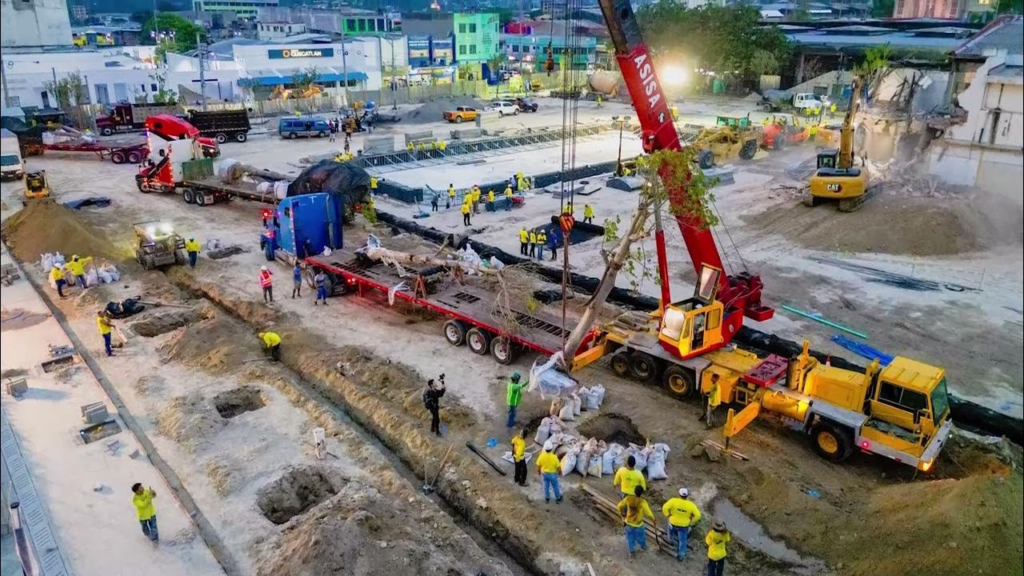
Finally, the fourth component includes the administration, evaluation, and auditing of the project to ensure the proper execution and oversight of resources.
Expected impact
With this funding, the Government seeks to close historical gaps in hydraulic infrastructure and strengthen the capacity to respond to extreme weather events. The modernization of drainage systems and the implementation of hydrometeorological monitoring technology will allow for anticipating risks, reducing damage, and protecting both the population and urban infrastructure.
The initiative represents a commitment to more preventative and technical management of flooding, one of the most recurring problems in the San Salvador Metropolitan Area.
You can also read: