dinero_admin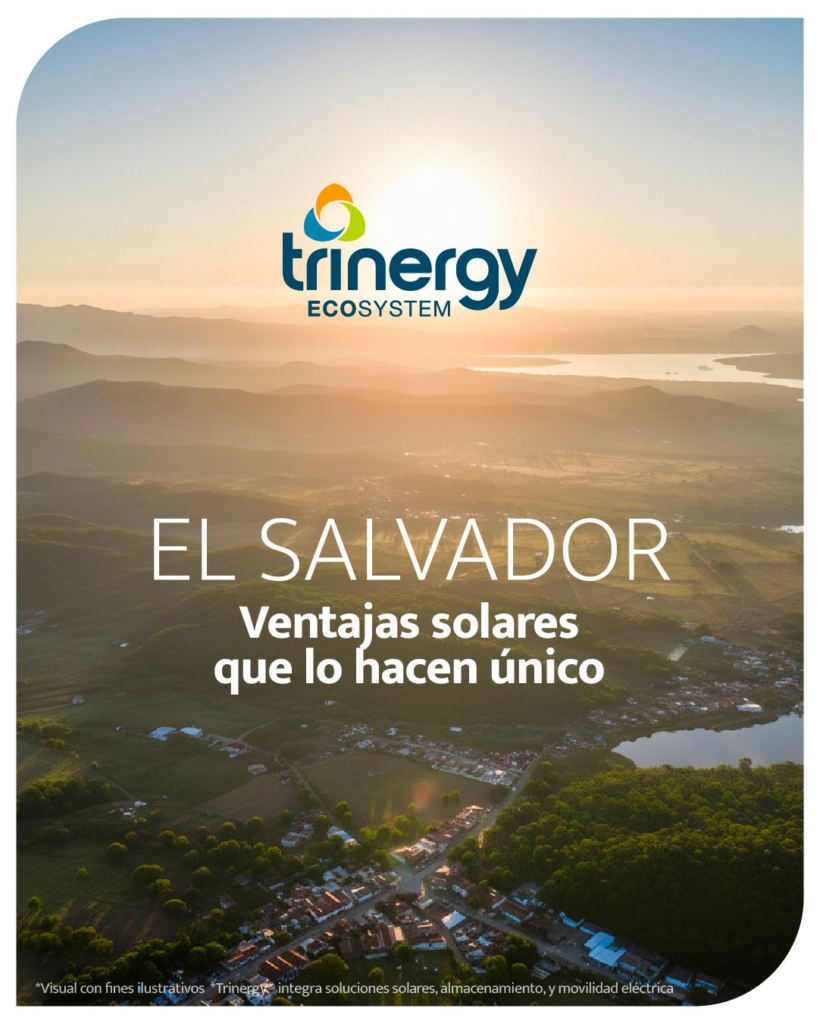
The Law for the Promotion of the Use of Renewable Energy, approved by the Legislative Assembly in october 2025, establishes benefits aimed at generating renewable energy for self-consumption, as well as energy storage systems, their installation, operation, and maintenance. Among the main incentives is the exemption from the Value Added Tax (VAT) for companies that acquire and implement these systems through qualified providers.
According to official data from the Superintendencia General de Electricidad y Telecomunicaciones (SIGET), solar energy has become one of the pillars of the salvadoran electrical system, with sustained growth in installed capacity in recent years and an increasingly significant share within the national energy mix. This context makes the new law a key instrument for regulating, incentivizing, and scaling up energy self-consumption in the productive sector.
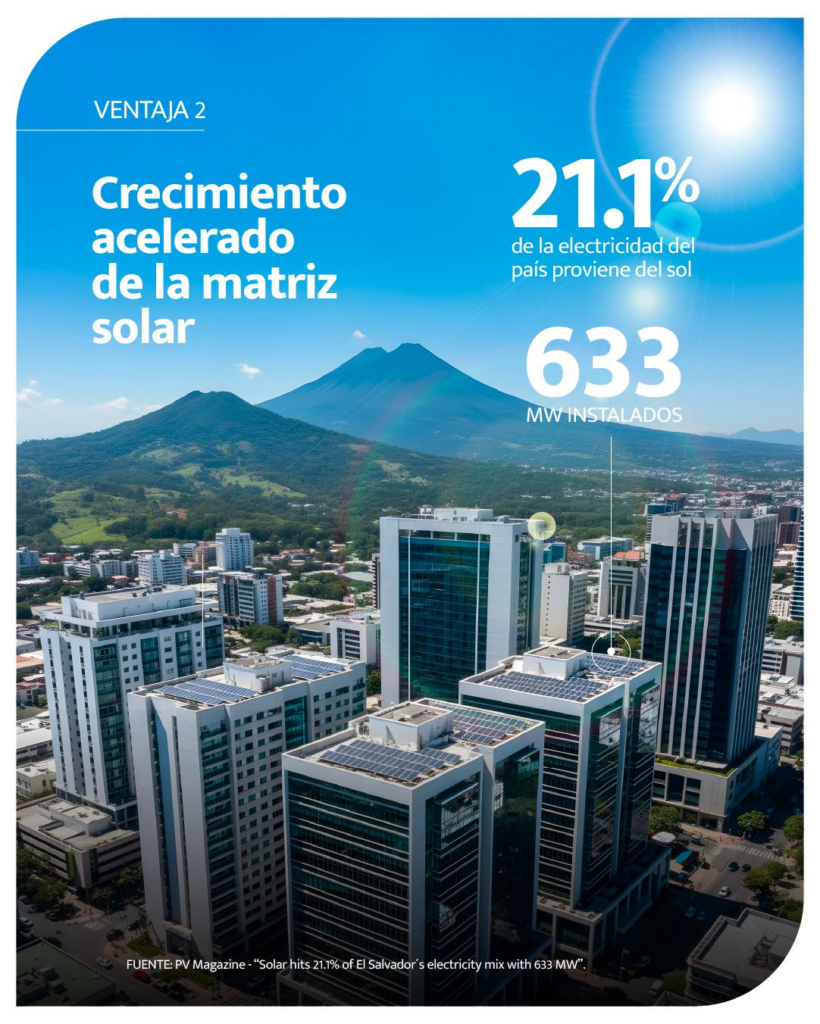
Based on information from SIGET , industry specialists indicate that the law is part of a national strategy to promote energy efficiency, reduce external dependence, and stimulate investment in renewable energy.
“This law represents a concrete opportunity for companies in El Salvador to move toward a more efficient and competitive energy model. Renewable self-consumption, coupled with appropriate storage solutions, allows not only for cost optimization but also for actively contributing to the sustainability of the national energy system”, said Óscar Funes, CEO of Trinergy Ecosystem.
Economic and Energy Impact
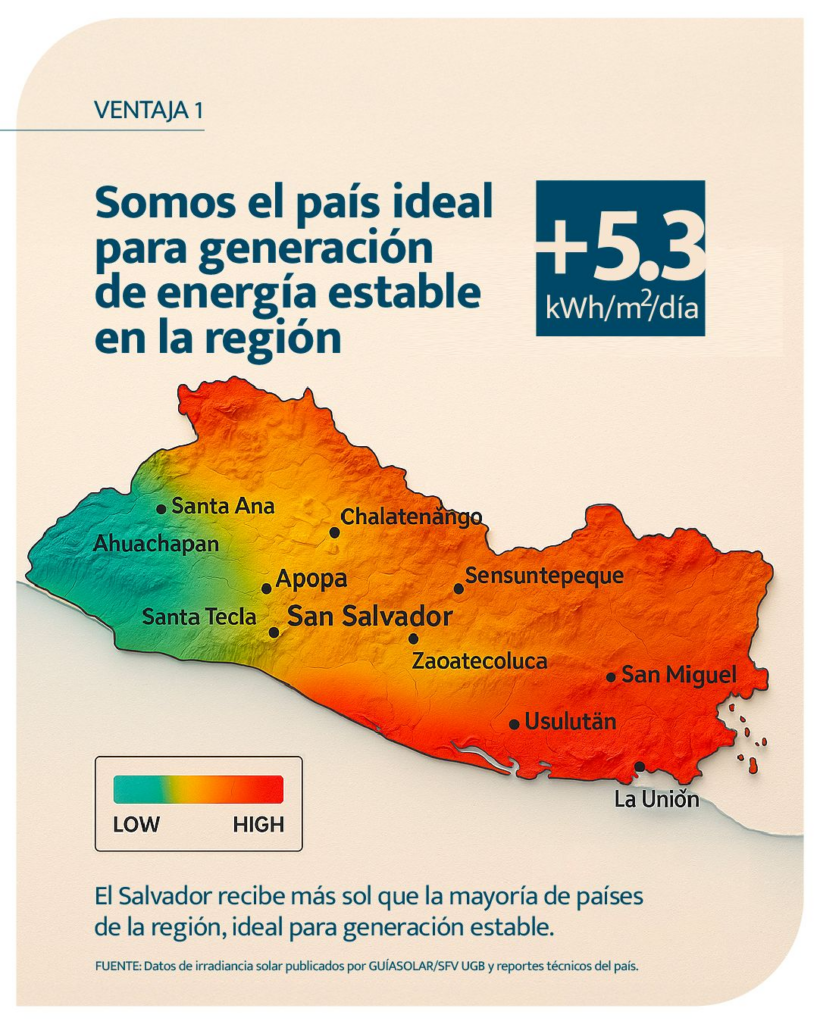
Experts agree that the law will have a positive impact on business competitiveness by allowing companies to reduce energy consumption costs, optimize their power demand, and protect themselves against energy price volatility. The new legal framework is also expected to boost investment in energy infrastructure, technology, and specialized employment.
Furthermore, the focus on self-consumption and integrating surplus energy into the national grid contributes to a more resilient energy mix, aligned with the country’s sustainability and energy transition commitments.
A strategic step for the energy transition
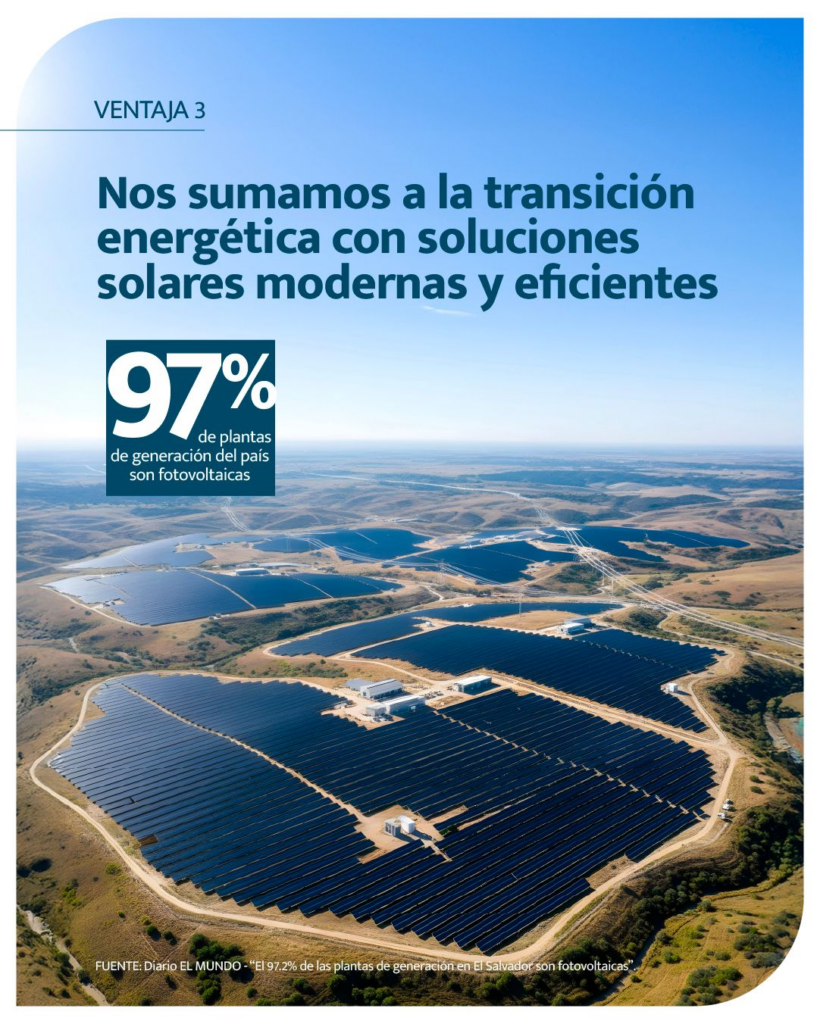
With this legislation, El Salvador joins regional and global trends promoting more decentralized, efficient, and environmentally responsible energy models, positioning renewable self-consumption as a strategic tool for economic development and long-term sustainability.
This push for energy self-consumption comes in an international context where renewable energies are gaining prominence as a key factor in competitiveness. In Europe, countries like Spain have registered record renewable energy generation, driven by regulatory frameworks that incentivize investment and reduce external energy dependence—an experience that reinforces the importance of moving in this direction.
You can also read: