

 A. M.
A. M. 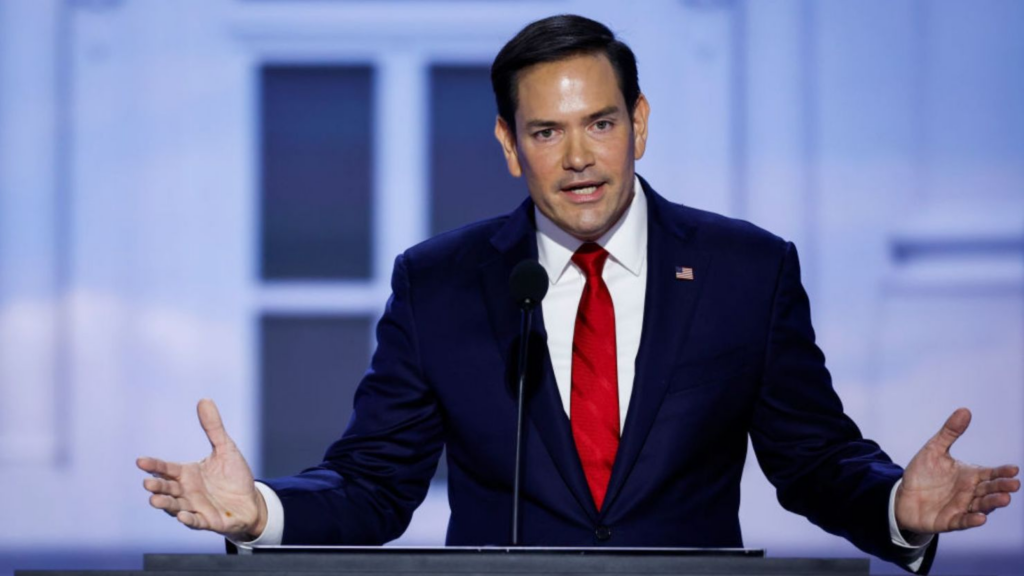
US Secretary of State Marco Rubio presented a reorganized vision of American foreign policy to the press, focusing on defending the “national interest,” strengthening institutions, and consolidating alliances in the Western Hemisphere.
During the conference, Rubio explained that President Donald Trump’s administration has spearheaded a “comprehensive reorientation” of the State Department to adapt US diplomacy to global changes and new security challenges. “The fundamental principle on which our foreign policy is based must be the national interest of the United States,” he stated.
Reorganization and economic focus
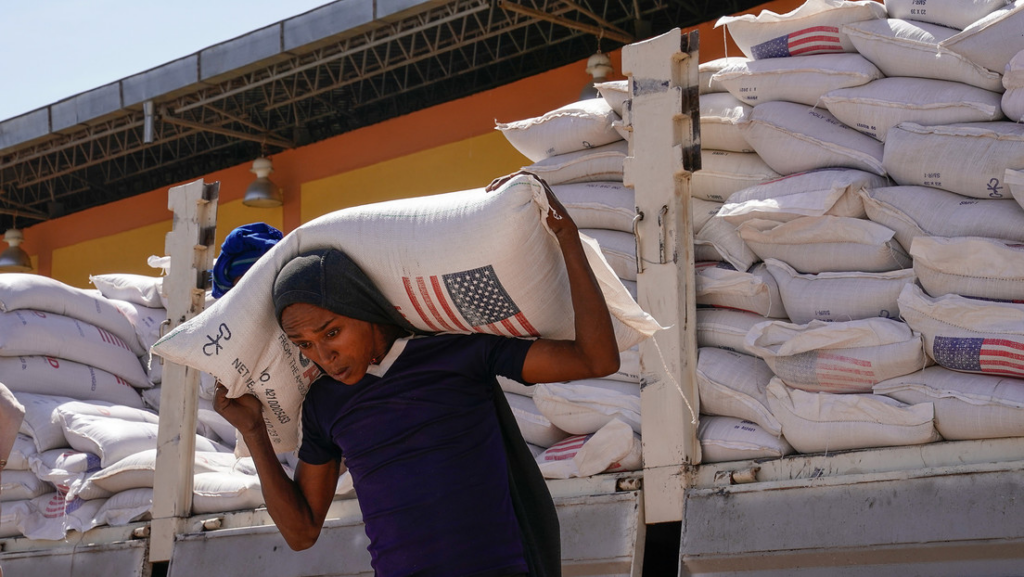
The Secretary emphasized that even foreign aid will be redesigned to align with Washington’s strategic interests. According to Rubio, financial assistance is no longer conceived as a charitable act, but as a diplomatic tool to promote security, stability, and prosperity.
“Taxpayer money should be used for policies that strengthen the United States”, he said, explaining that embassies and regional offices will receive greater autonomy to coordinate the distribution of funds and assess their local impact.
Rubio revealed that the reform of international aid includes the signing of more than 50 new bilateral agreements in the areas of health and development, replacing the old model managed by external contractors. “We want these countries to move toward self-sufficiency”, he said.
Venezuela and regional threats
The Secretary maintained that Venezuela currently represents “the greatest threat to the security of the hemisphere” due to its alleged cooperation with drug trafficking organizations, Hezbollah, and Iran. He described the government of Nicolás Maduro as an “illegitimate and terrorist regime”, affirming that the United States continues to monitor the situation.
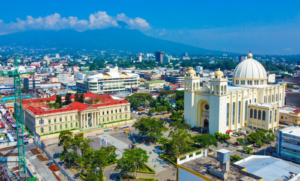
Rubio also highlighted that Washington is working with allied countries such as Mexico, El Salvador, the Dominican Republic, Ecuador, and Panama in the fight against transnational criminal networks. “The good news is that we have more governments willing to cooperate”, he said, mentioning progress in Guatemala, Chile, and Argentina.
In contrast, the official criticized the lack of cooperation from the governments of Venezuela, Nicaragua, and Cuba. Regarding Havana, he stated that “Cuba is a disaster, not only because of its Marxist ideology, but also because of its incompetence”.
Hemispheric cooperation and migration
When asked about Colombia, Rubio asserted that tensions with President Gustavo Petro would not affect the institutional relationship between the two countries, describing Colombia as “one of the region’s great allies”.
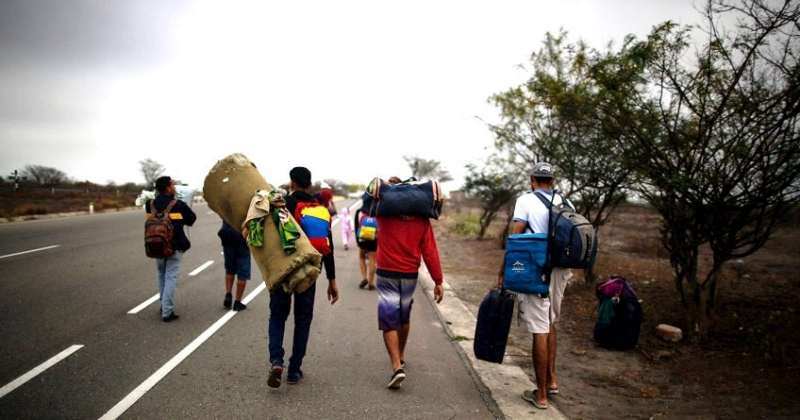
He also reiterated that the current Venezuelan migration crisis—with more than eight million displaced people—is a direct result of “the illegitimate policies of the Maduro regime”.
Geopolitical Perspective
Finally, Rubio maintained that the United States’ primary objective is not to provoke regime change, but to ensure regional stability. He emphasized that the Trump administration seeks to act as a mediator in international conflicts, including those in Gaza, Armenia, Sudan, and Ukraine.
“Our duty is to promote hemispheric peace, prosperity, and security for the benefit of the American people”, the Secretary concluded.
You can also read: