

 A. M.
A. M. 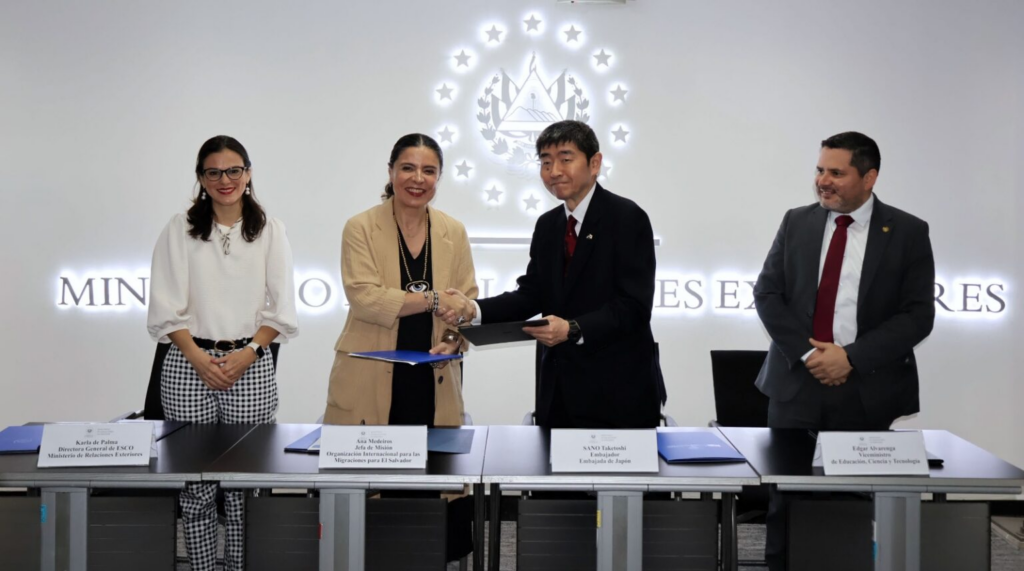
The Government of Japan will allocate approximately US$3 million to strengthen vocational technical education and expand employment opportunities for young people who have returned to El Salvador or are at risk of irregular migration.
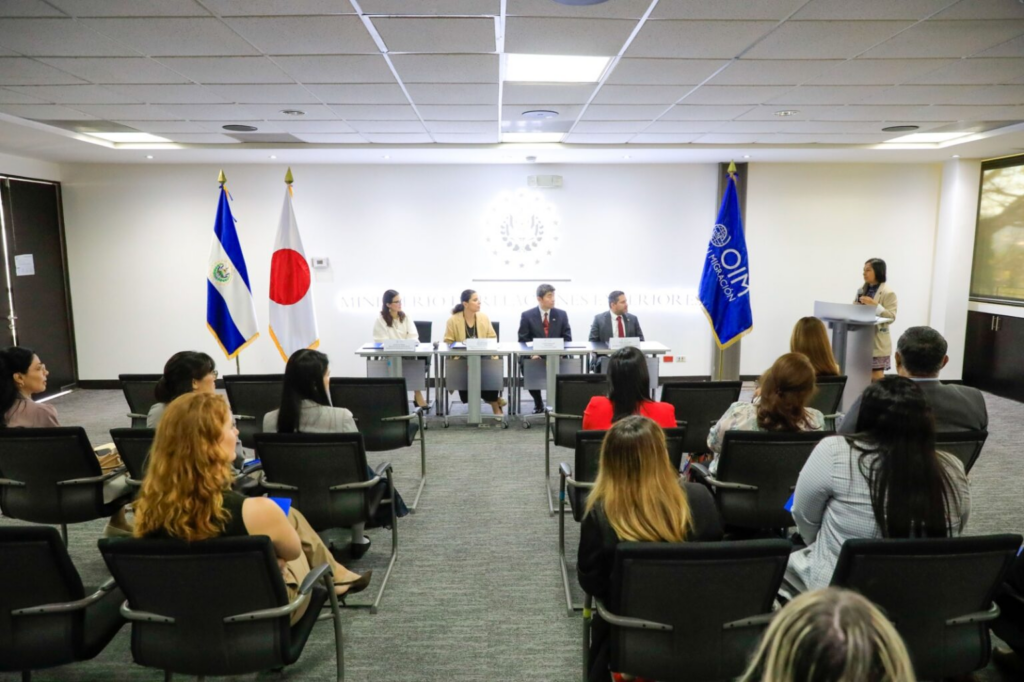
The initiative will be implemented with the support of the International Organization for Migration (IOM) and in coordination with the Ministry of Education, Science and Technology of El Salvador, as part of a cooperation agreement that seeks to improve training capabilities and facilitate the labor market integration of people between 15 and 35 years old, as well as their families.
Investment to expand training and employability
The funding will allow for a new phase of a program that these institutions have been promoting since 2020 and which will now be expanded with more resources to strengthen technical education and economic opportunities for the population.
According to authorities, the project aims to address the needs of the labor market and offer development opportunities to young people facing educational or employment limitations, as well as to individuals returning to the country.
The japanese ambassador to El Salvador, Sano Taketoshi, emphasized that the investment reflects his country’s commitment to education and social development.
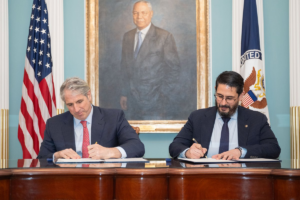
“This contribution reaffirms our conviction that education and vocational training are key tools for generating opportunities, strengthening communities, and building a more inclusive society”, the diplomat stated during the signing of the agreement.
Infrastructure improvement and teacher training
Part of the funds will be allocated to rehabilitating and equipping technical training centers, incorporating technology that will improve learning processes and educational quality.
In addition, the project includes specialized teacher training to strengthen instruction in flexible learning modalities for young people and adults seeking to complete or expand their professional training.
These actions aim to ensure that participants acquire practical skills that meet the demands of the productive sector.
Partnerships with the private sector
Another important component of the initiative is the collaboration with private companies, with the purpose of facilitating internships, professional placements, and real employment opportunities for those participating in the training programs.
The IOM’s Chief of Mission in the country, Ana Medeiros, explained that this phase of the project seeks to strengthen cooperation between public institutions, educational centers, and the business sector.
According to her, this coordination will make it possible to address existing educational and employment gaps, while also contributing to reducing the factors that drive irregular migration.
Skills development and entrepreneurship
The program will include technical courses, workshops, and training sessions aimed at improving participants’ job skills, as well as providing tools for developing entrepreneurial ventures.
The goal is for young people to be able to access formal employment or generate their own economic opportunities, leveraging their skills and training.
National scope of the project
The initiative will have a presence in several regions of the country, including the departments of Santa Ana, San Salvador, San Miguel, Morazán, and Usulután.
These areas were selected for their productive potential and the presence of industrial sectors that offer job placement opportunities for the trained population.
Institutional coordination
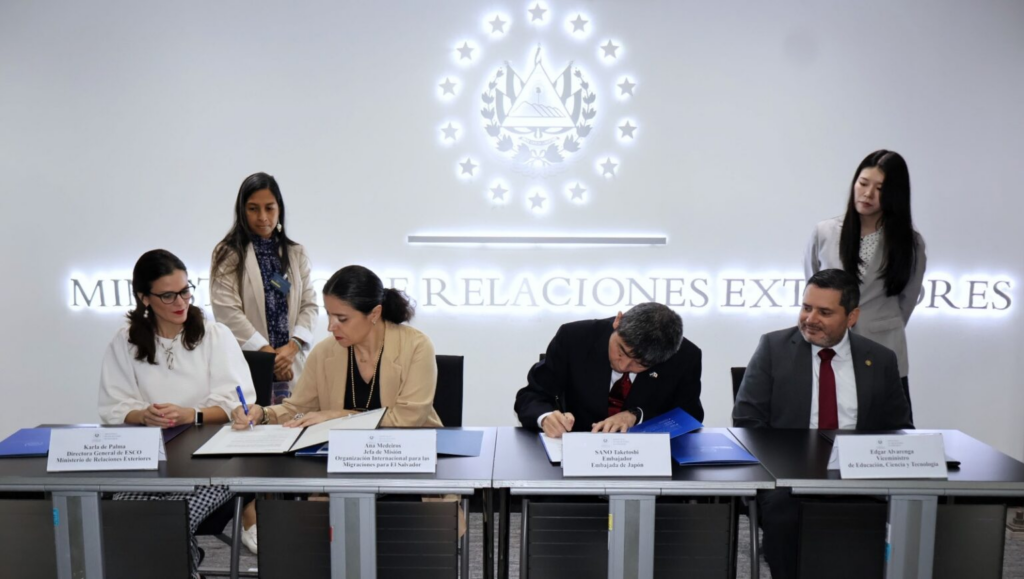
The signing of the agreement also included the participation of Karla de Palma, Director of El Salvador’s Agency for International Cooperation, and Edgar Eliseo Alvarenga, Vice Minister of Education.
Authorities emphasized that international cooperation, combined with inter-institutional work, allows for the promotion of high-impact social projects aimed at improving educational and employment opportunities for the salvadoran population.
With an investment of US$3 million, the project seeks to contribute to strengthening technical training capacities in the country, expanding employment opportunities for young people, and creating conditions that foster the economic and social development of communities.
You can also read: