

 dinero_admin
Air freight in El Salvador registered 11% growth during 2025, equivalent to almost 40 million kilograms of cargo handled, consolidating Aeropuerto Internacional de El Salvador “San Óscar Arnulfo Romero y Galdámez” as a strategic point for logistics, trade, and regional air connectivity.
This performance was highlighted by the president of the Comisión Ejecutiva Portuaria Autónoma (CEPA), Federico Anliker, during a television interview, where he explained that the airport has had a highly positive year in both cargo and passenger traffic, reflecting thriving trade and a more dynamic economy.
Anliker pointed out that the airport is a key logistics hub for the country, facilitating the transport of high-value goods and products that require rapid delivery. The increase in air cargo, he explained, is directly related to the growth of exports, international trade and greater efficiency in airport operations.
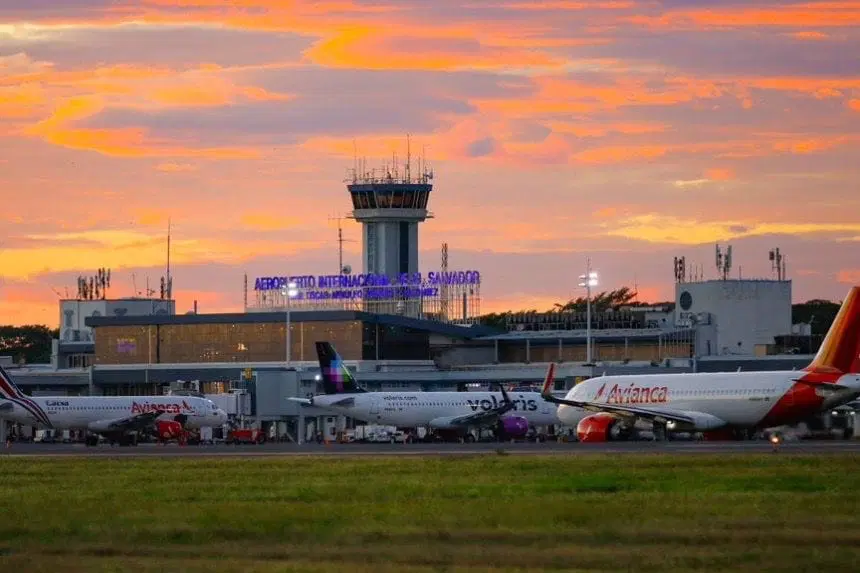
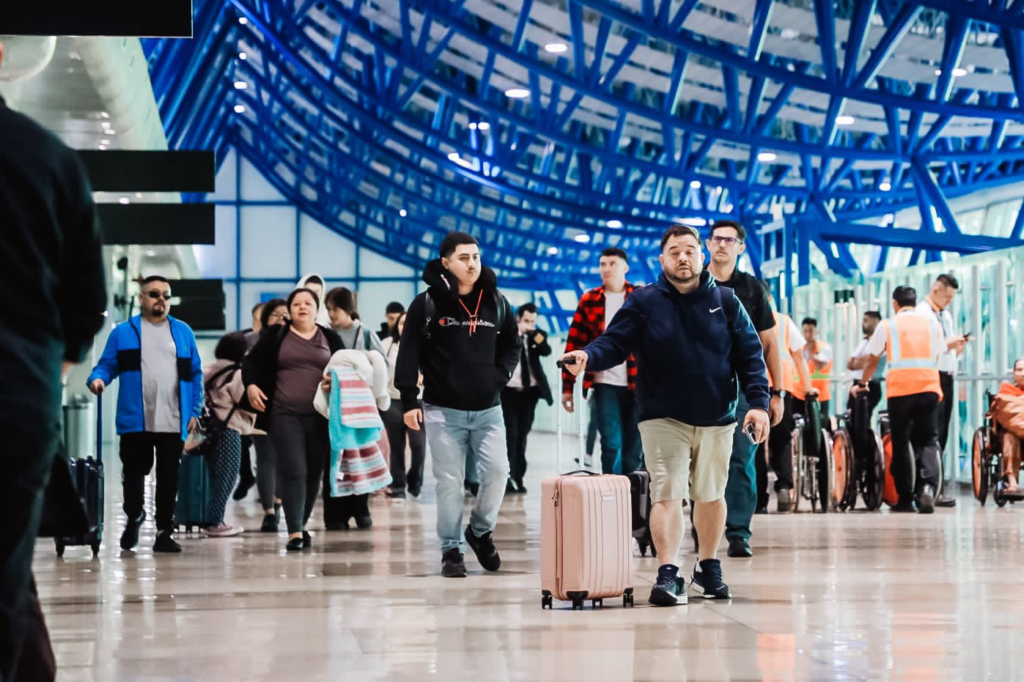
Alongside the growth of air travel, the airport also registered a significant increase in passenger traffic. According to data provided by the head of CEPA, 5.2 million people passed through the airport terminal during 2025, reflecting a greater influx of tourists, the return of the salvadoran diaspora, and a strengthening of international connections.
This growth was accompanied by a greater number of air operations. During the year, 51,000 commercial flights were recorded, representing a 5% increase compared to 2024. Anliker explained that this increase was made possible by the expansion of frequencies and destinations, as well as the airport’s operational capacity.
As part of the expansion of air connectivity, the official highlighted that in december, Frontier Airlines increased its presence in El Salvador, now operating six routes, which contributes to strengthening competition, reducing costs, and facilitating the movement of passengers and cargo.
In response to this sustained growth, CEPA is implementing modernization and expansion projects for the airport’s infrastructure. These include the installation of new baggage carousels, the construction of a parking garage with more than 2,000 new spaces, and the expansion of the air terminal with six additional gates to the east of the airport.
With these projects, the Aeropuerto Internacional will reach an installed capacity to serve between nine and ten million passengers, while also strengthening air cargo handling and the country’s position as a regional logistics hub.
Finally, Anliker emphasized that the airport is the country’s main calling card to the world. The growth of air traffic and the modernization of the infrastructure reinforce the role of the aviation sector as a key pillar for economic development, attracting investment, and enhancing El Salvador’s competitiveness.
You can also read: