

 A. M.
A. M. 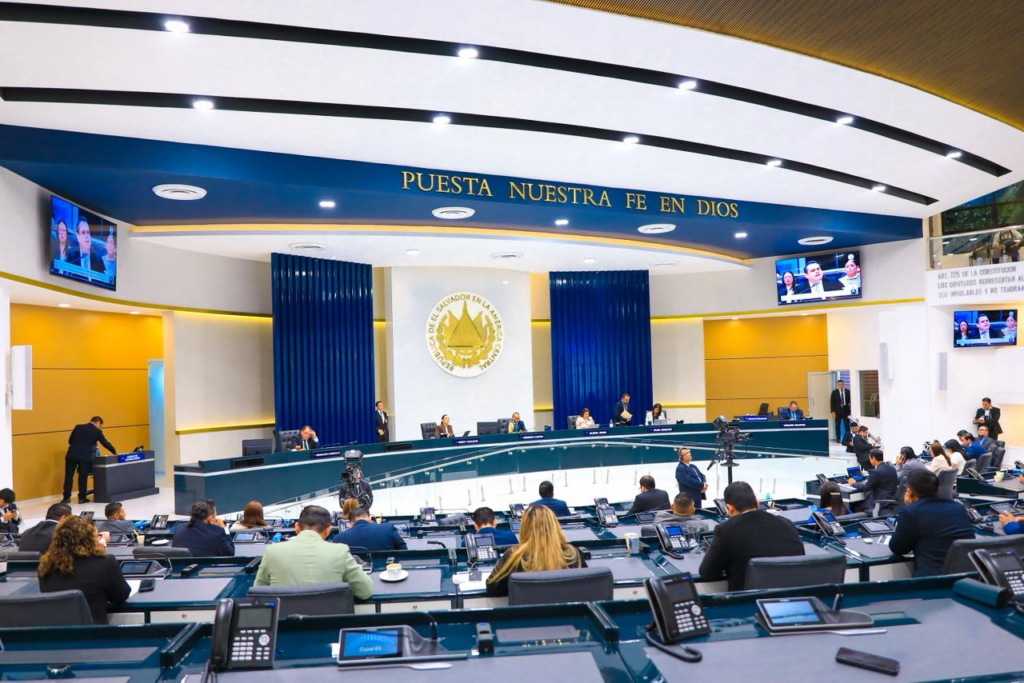
A total of US$1,489,580 was approved by the deputies of the Legislative Assembly, with 58 votes, to be incorporated into the budget of the Consejo Salvadoreño de la Agroindustria Azucarera (CONSAA) in the Economy sector, through an amendment to the 2026 Budget Law, in order to finance its institutional operations during the current fiscal year.
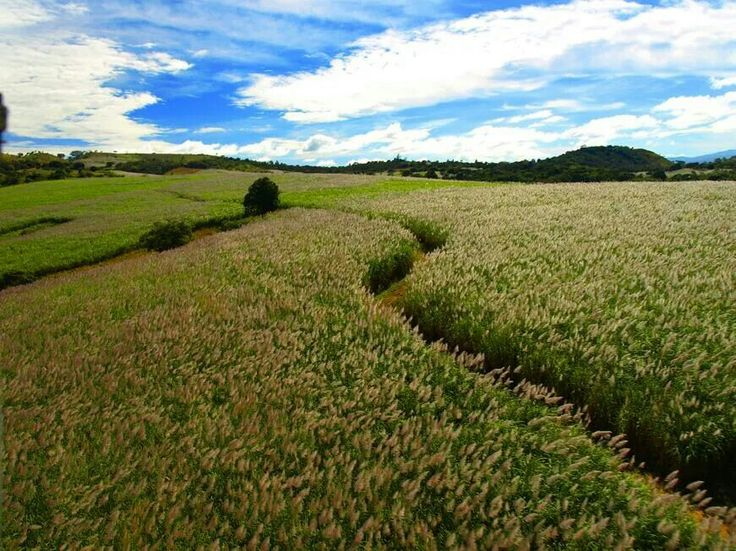
According to the information presented in the legislative plenary session, of the total amount requested, US$1,206,651 comes from the contribution that sugarcane producers and sugar mills must make during the 2025/2026 harvest. These resources correspond to the revenue derived from sugar production and constitute the entity’s main source of financing.
Legislators also explained that an additional US$282,929 corresponds to a cumulative amount reported by the General Treasury Directorate, which will be incorporated into CONSAA’s special budget to supplement the financing of its operational and investment needs.
Current regulations establish that CONSAA’s annual budget is financed through a mandatory contribution for each pound of sugar extracted. Article 16 of the Law on Production, Industrialization, and Commercialization of the Sugar Agroindustry in El Salvador states that both cane producers and sugar mills must contribute a quota for production, intended to cover the institution’s expenses and investments.
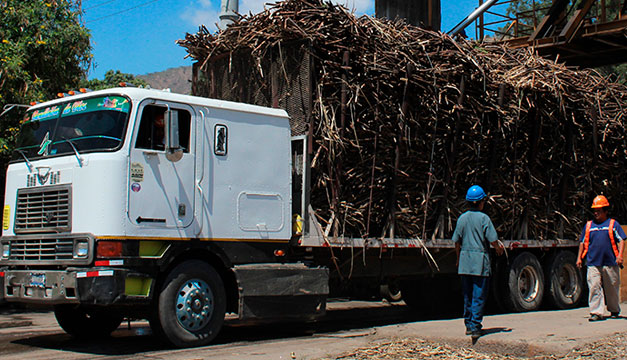
In this context, on october 29, 2025, the Legislative Assembly approved Legislative Decree 445, which set the contribution at US$0.000891 per pound of sugar extracted, equivalent to US$0.001963 per kilogram of sugar. Based on this rate, it is estimated that 1,354,265,993 pounds of sugar will be extracted during the 2025/2026 harvest, generating a contribution of US$1,206,651 for CONSAA.
With the incorporation of these resources into the 2026 budget, CONSAA will be able to strengthen its institutional functioning, cover operating expenses, carry out supervisory activities, and support the regulation of the sugar agroindustry, a key sector for the national economy and for thousands of producers and workers linked to the sugar production chain.
You can also read: