A. M.
A. M. 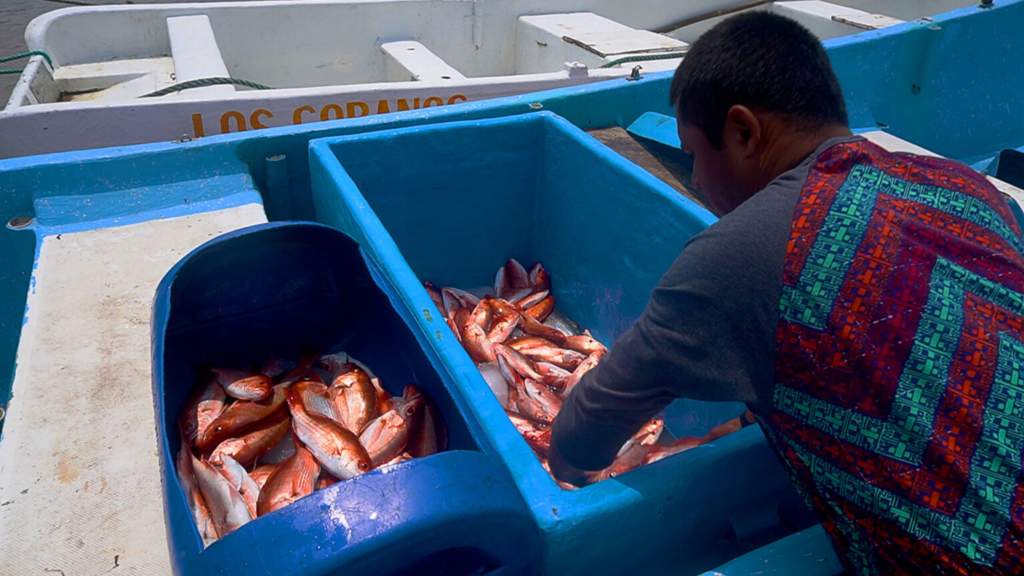
Artisanal fishing continues to be the foundation of the fishing sector in El Salvador, according to preliminary results from the 2025 First Fishing Census, presented by the Banco Central de Reserva (BCR). The data reveals that the activity is characterized primarily by the use of small boats, individual operation by fishers, and direct sales to consumers, confirming its key role within the local economy and coastal and riverine communities.
According to BCR data, most fishing activity takes place in rivers, estuaries, bays, and coastal areas, where small-scale production methods such as outboard motorboats and canoes predominate. More than half of the fishers own their own boats, reinforcing the independent and family-based nature of this activity.
The census indicates that artisanal fishing is closely linked to the natural environment, as landings are mostly carried out at sites with direct access to bodies of water, without complex port infrastructure. This dynamic facilitates the immediate marketing of the product, which in most cases is sold fresh and directly to consumers or small local businesses.
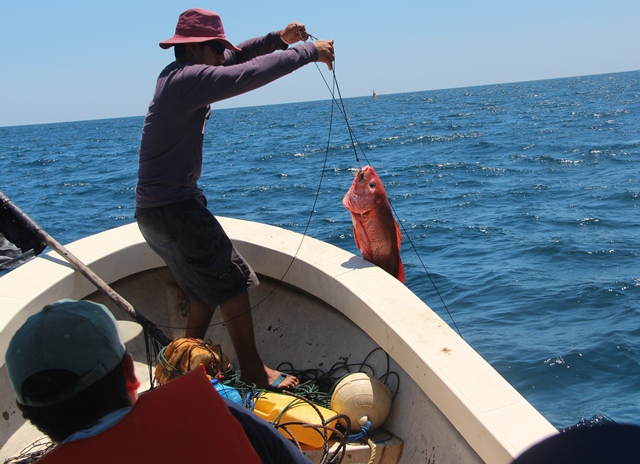
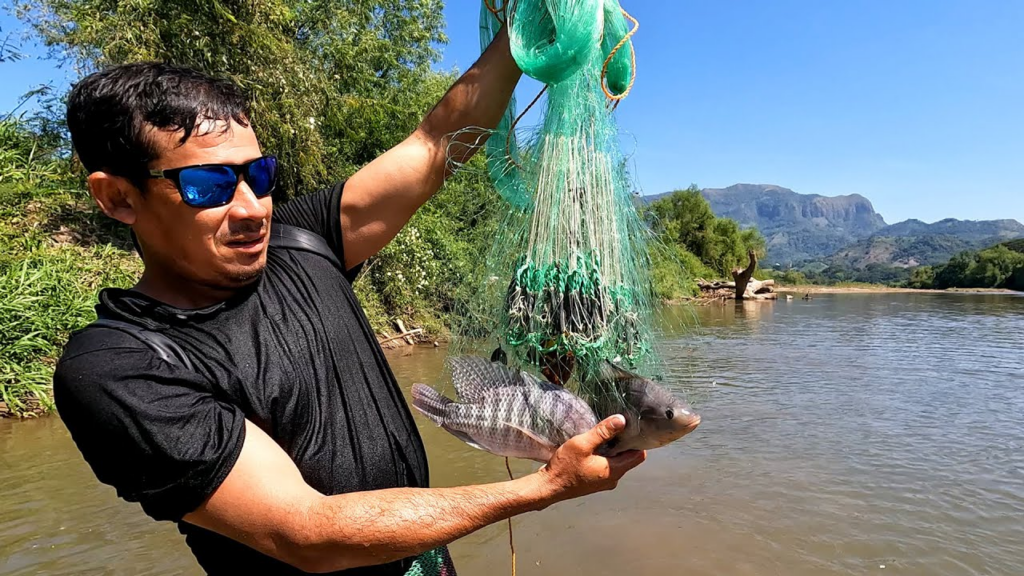
Regarding fishing methods, the most used are gillnets and cast nets, traditional gear that reflects the continuity of practices passed down through generations. These techniques, along with the scale of operations, allow fishers to supply the local market and contribute to food security, especially in coastal and rural areas.
The BCR highlights that direct sales to consumers reduce the involvement of intermediaries, which can mean higher incomes for fishers, although it also exposes the sector to challenges such as price volatility, lack of access to financing, and limited storage and preservation capacity.
The information from the First Fisheries Census 2025 provides the first comprehensive overview of El Salvador’s fishing sector, allowing for a clear understanding of its economic and social importance. This data will serve as the basis for designing public policies aimed at strengthening artisanal fishing, improving working conditions for fishers, and promoting sustainable practices.
With these results, artisanal fishing is consolidated as a pillar of the local economy, not only for its contribution to employment and income for thousands of families, but also for its role in food supply and the development of coastal areas and waterways throughout the country.
You can also read: