

 A. M.
A. M. 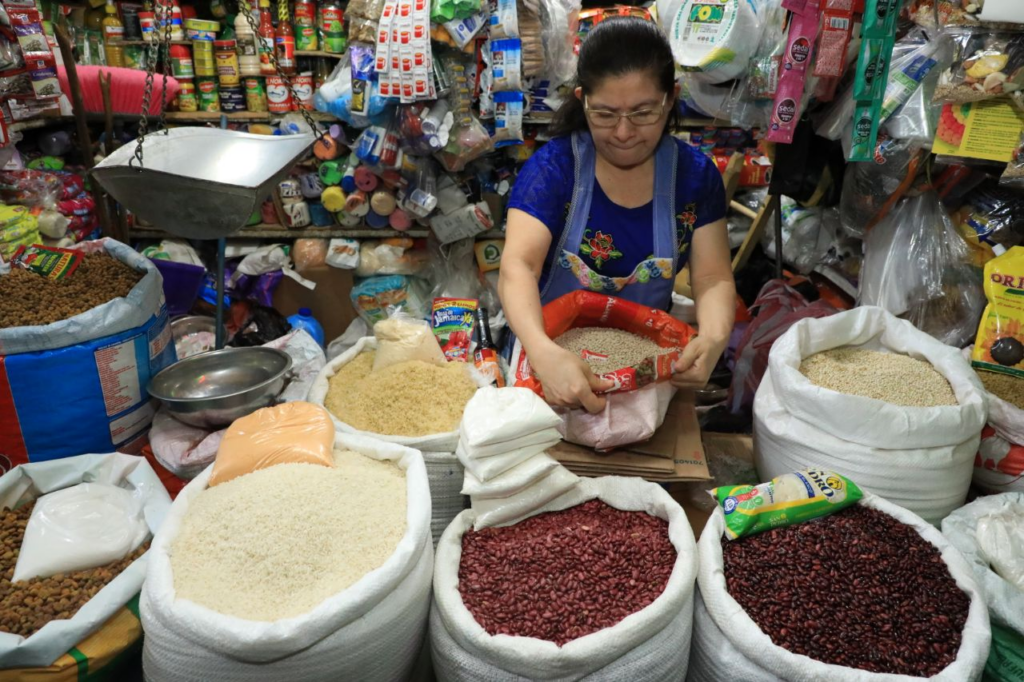
In december 2025, El Salvador registered monthly deflation of -0.39%, reversing the inflationary trend observed in november of the same year, according to the Banco Central de Reserva (BCR). This result reflects a general drop in consumer prices, driven mainly by reductions in food, transportation, energy, and services, among other key items in the basic basket.
Comparison with november 2025
The negative monthly variation in december contrasts with the price increase recorded in november 2025, when the general index showed inflationary behavior. In december, the Precios al Consumidor (IPC) stood at 130.89 points, with a monthly variation of -0.39%, while annual inflation closed at 0.91%.
This change reflects a price adjustment following previous inflationary pressures, particularly associated with seasonal factors, tariff adjustments, and variations in food and fuel prices during the previous months.
Main causes of the -0.39% deflation in december
1) Fall in food and non-alcoholic beverage prices
The Food and Non-Alcoholic Beverages group registered a monthly variation of -0.70%, with an incidence of -0.22 percentage points on the overall IPC, making it one of the main factors contributing to deflation.
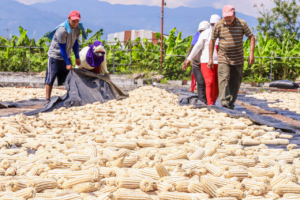
The reduction was explained by the decline in prices of basic foods, especially agricultural products, which tend to experience seasonal fluctuations associated with local supply and market conditions.
2) Reduction in transportation
The transportation sector showed a significant decline of -1.17%, with a negative impact of -0.12 percentage points.
Within this group, the following stood out:
Decrease in transportation services, with a variation of -4.31%,
Reduction in vehicle purchase prices, and
Changes in costs associated with the operation of personal transportation.
These factors reflect adjustments in fares, lower seasonal demand, and variations in international fuel and vehicle costs.
3) Decrease in electricity, gas, and other fuels
The group of housing, water, electricity, gas, and other fuels showed a variation of -0.15%, with a negative impact of -0.02 percentage points.
The decrease was mainly associated with the reduction in electricity, gas, and other fuels, which registered a variation of -0.82%, reflecting tariff adjustments and favorable conditions in energy prices.
4) Decrease in household goods
The Furniture, household goods, and ordinary household maintenance category fell by -0.31%, contributing -0.02 percentage points to the overall variation.
Within this group, reductions were observed in:
Furniture and household accessories,
Domestic appliances, and
Other household maintenance items.
5) Decline in communications and recreation
Other groups with negative variations were:
Communications: -0.29%
Recreation and culture: -0.67%
These items reflected reductions in telephone equipment, audiovisual items, recreational products, and other cultural goods, influenced by technological advances, commercial competition, and market adjustments.

6) Miscellaneous goods and services
The miscellaneous goods and services group registered a variation of -0.15%, with a negative impact of -0.01 percentage points, driven by the reduction in prices of personal care products.
Groups that partially offset deflation
Although the overall IPC fell, some items showed price increases that moderated deflation:
Restaurants and hotels: +0.30%
Health: +0.11%
Alcoholic beverages and tobacco: +0.39%
Clothing and footwear: +0.04%
These increases were linked to higher service costs, tariff adjustments, and seasonal demand variations.
Annual and cumulative inflation context
Despite monthly deflation, annual inflation in december 2025 stood at 0.91%, reflecting moderate price growth compared to december 2024. In addition, cumulative inflation for the year also closed at 0.91%, evidencing an environment of relative price stability during 2025.
The deflation of -0.39% in december 2025 marks a change in the inflationary trend observed in november, driven mainly by falling prices for food, transportation, energy, household goods, and communications. However, increases in services such as restaurants, health, and alcoholic beverages limited a greater reduction in the overall index.
The result reflects a year-end with moderate inflationary pressures and price dynamics influenced by seasonal factors, tariff adjustments, variations in the supply of basic products, and energy market conditions, according to data from the Banco Central de Reserva (BCR).
You can also read: