

 A. M.
A. M. 
The increase in fertilizer prices has become one of the main immediate consequences of the escalating conflict in the Middle East, directly impacting agricultural production costs globally. The disruption in the supply of key inputs such as urea and ammonia from the Gulf region is driving prices up and generating concern in the sector, according to data released by Deutsche Welle (DW).
The Gulf region accounts for a significant portion of the global fertilizer trade, so any disruption to its exports quickly impacts international markets. This situation has been exacerbated by restrictions on the Strait of Hormuz, a strategic route through which a significant proportion of these inputs, as well as energy, are transported.
Added to this is the shutdown of production plants in Iran, which has reduced the global supply of fertilizers. As a result, prices have begun to rise considerably, especially for nitrogen fertilizers, whose production depends heavily on natural gas.
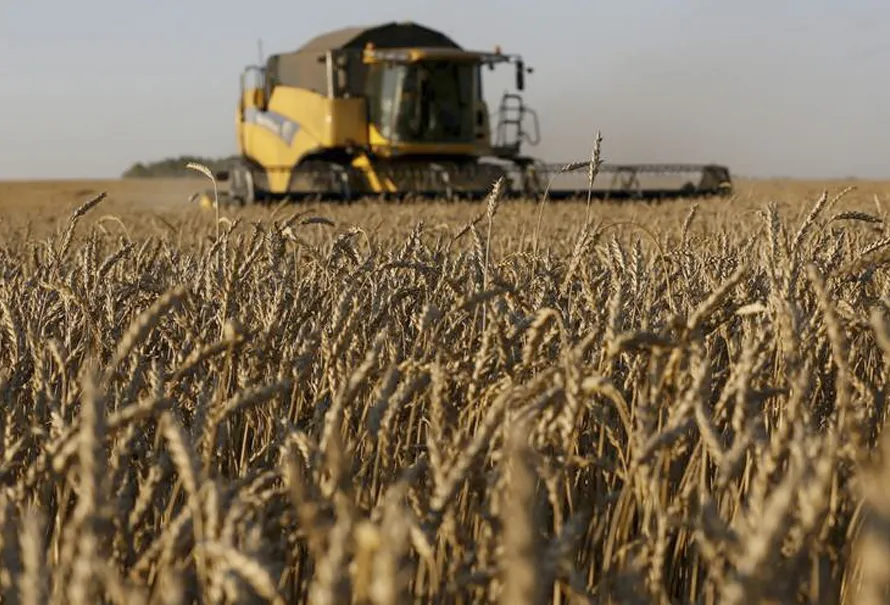
Experts warn that this increase in costs could have direct effects on agricultural production. Faced with higher prices, producers tend to reduce their use of fertilizers or limit their investments, which can translate into lower yields and an eventual decrease in the food supply.
In Latin America, the impact is particularly significant. Countries like Brazil and Argentina, major grain producers and exporters, depend heavily on fertilizer imports. The rising cost of these inputs, coupled with increased fuel costs, is reducing profit margins and influencing planting decisions.
This dynamic could also influence crop types, favoring those with lower production costs at the expense of others that are more input-intensive, thus altering the production structure in several regions.
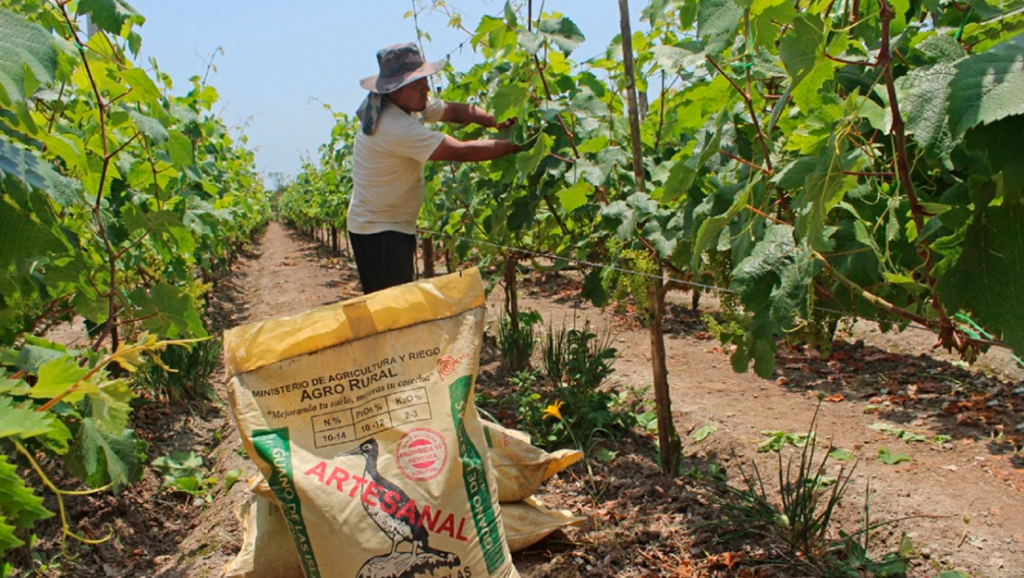
In this scenario, international organizations warn of a potential deterioration in global food security, especially in poorer countries that are dependent on imports, where rising prices could limit access to basic foodstuffs.
As a general context, the increase in fertilizer prices is closely linked to the rise in oil and energy prices, driven by instability in the Middle East. This combination of factors not only puts pressure on global inflation but also adds uncertainty to supply chains at a crucial time for global agricultural production.
You can also read: