


 A. M.
A. M. 
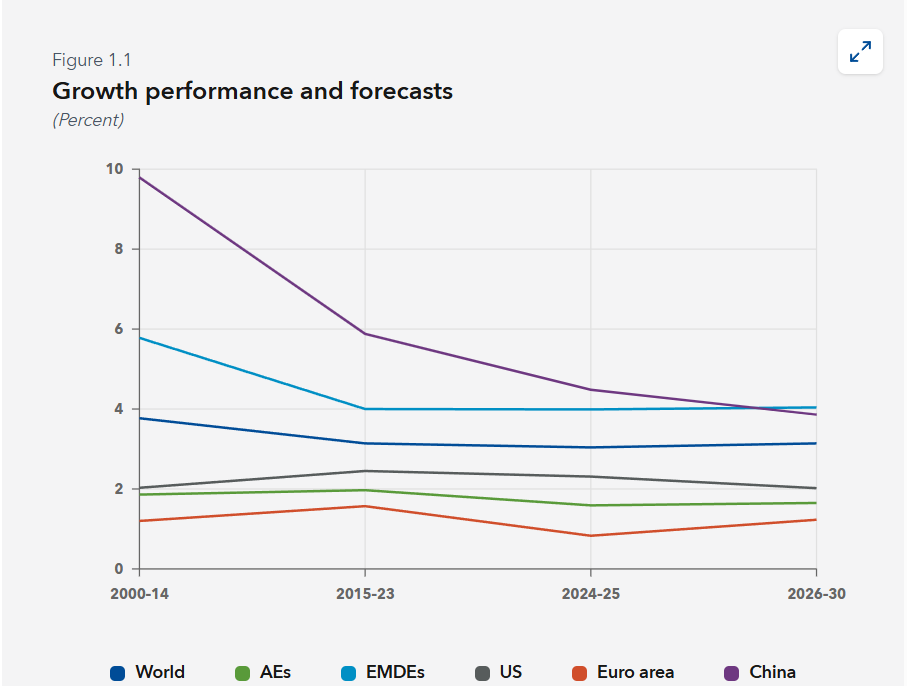
The global economy is experiencing one of its most complex periods in the last decade. In a context marked by trade tensions, political uncertainty, and tighter financial conditions, the International Monetary Fund (IMF) warns that sustained growth will only be possible if countries adopt profound reforms and act decisively in the face of current challenges.
According to the organization, the world is at a turning point: trade and capital flows are being reconfigured, while major economies implement significant policy changes. At the same time, market volatility is increasing, and fiscal space has been reduced by the cumulative effects of recent shocks.
Faced with this scenario, the IMF identifies three key priorities for economic authorities:
1.Resolving trade tensions and correcting structural imbalances
The Fund emphasizes the need to restore a trading system based on clear rules and equitable conditions. It urged the avoidance of distorting policies, trade barriers, and measures designed to gain competitive advantages at the expense of other countries. Smooth trade, it affirms, is essential to maintaining global economic dynamism.
2. Safeguarding economic and financial stability
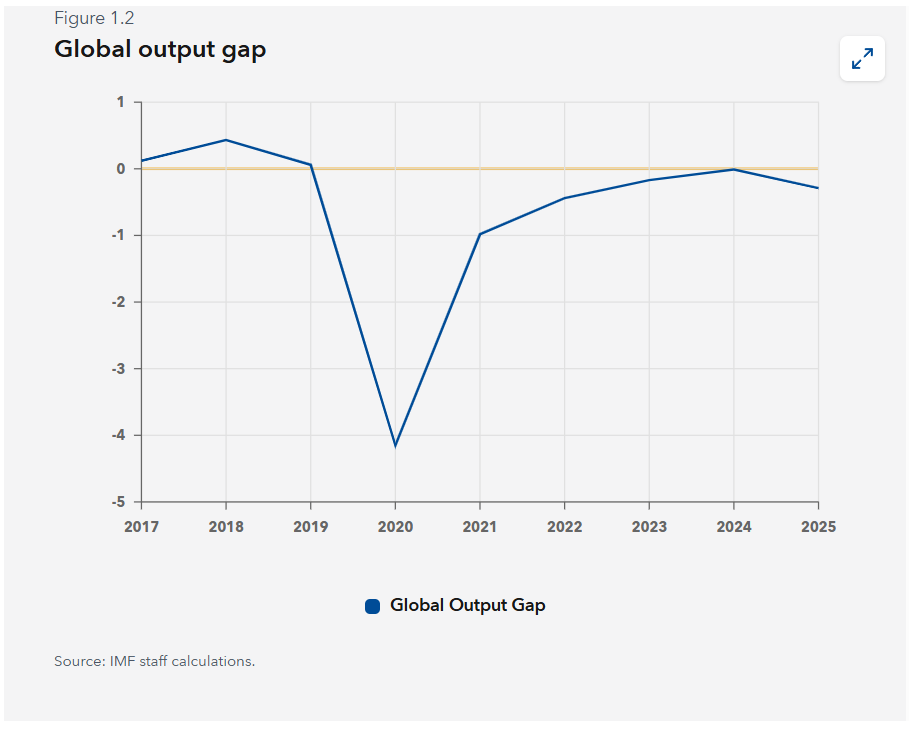
The organization emphasizes that countries must “get their house in order,” which implies designing credible adjustment plans, consolidating public finances in the medium term, and rebuilding fiscal buffers.
Debt reduction, strengthening fiscal frameworks, and specific reforms such as spending restructuring in advanced economies and greater income mobilization in emerging economies will be crucial.
Likewise, during periods of transition, governments may need targeted and temporary support to protect the most vulnerable.
3- Promote structural reforms to boost productivity
According to the IMF, countries must redouble their efforts to modernize labor, products, and financial markets, as well as invest in infrastructure and promote innovation. The institution points out that combating corruption, improving the business climate, and fostering competition will be essential elements for stimulating productivity and generating employment.
Technological advancements, including digitalization and artificial intelligence, will play a decisive role in driving potential growth.

Furthermore, the IMF warns that imbalances between savings and investment within countries can lead to external tensions and affect capital flows. Therefore, it insists on strengthening global economic cooperation, since balancing these variables will contribute to greater internal, external, and global stability.
Despite the complex outlook, the Fund maintains a tone of cautious optimism. It argues that, with “deliberate and well-calibrated” policies, countries can harness transformative forces and reduce risks.
The organization reaffirms its commitment as a technical advisor, lender of last resort, and facilitator of international agreements, assuring that it will continue to support its member countries in strengthening their economic resilience in the medium and long term.
You can also read: