dinero_admin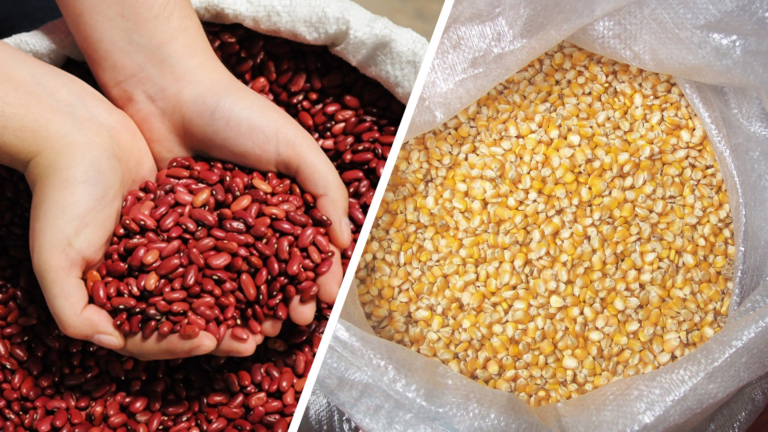
Photo: Google
The Government of El Salvador continues to implement strategies to guarantee food security for the population in the face of the effects of climate change and reduced rainfall caused by the El Niño phenomenon. The Vice Minister of Agriculture and Livestock, Óscar Domínguez, stated that the measures implemented aim to ensure the production of basic foodstuffs and strengthen the response capacity of the agricultural sector.
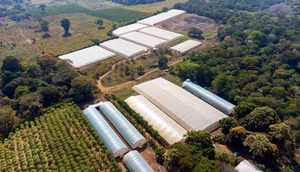
One of the main efforts is being carried out through the Programa de Aumento a la Producción, which maintains active cultivation on more than 164,000 blocks (approximately 164,000 acres) nationwide. The initiative is focused on increasing food production, strengthening agricultural areas, and guaranteeing supplies for salvadoran families.
As part of this strategy, the Ministry of Agriculture is promoting the use of biofactories in coordination with the private sector to encourage agroecological practices. According to Domínguez, between 50% and 70% of the plots being managed already have this type of irrigation, especially for crops of corn, beans, and other essential food products.
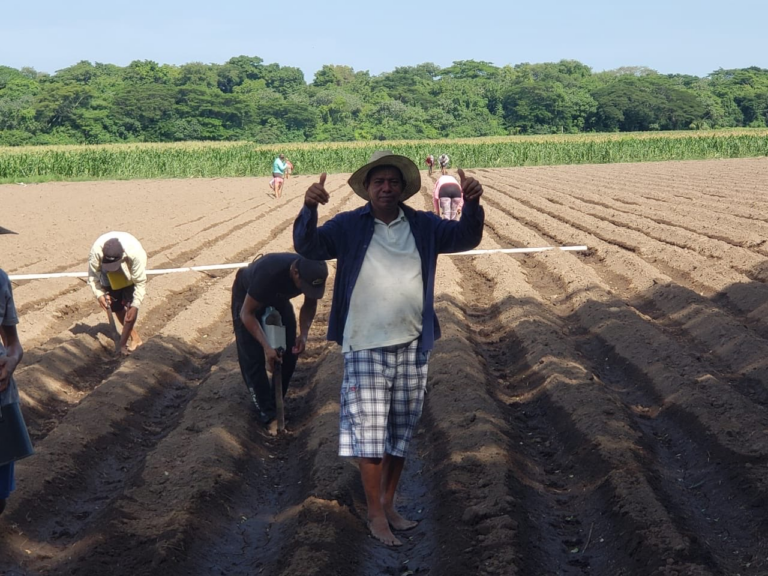
The official noted that the eastern region has been one of the hardest hits by the decrease in rainfall. In response, the institution has strengthened its efforts to reduce the impact of the drought and maintain agricultural production in the most vulnerable areas.
Among the measures adopted is the opening of the Central de Abastos de Usulután, which facilitates access for the population to fresh, locally sourced products at affordable prices. In addition, the ministry plans to establish new wholesale distribution points in strategic locations near markets to strengthen the supply chain.
Furthermore, the implementation of auxiliary irrigation systems, well drilling, and the use of well points are being promoted to guarantee access to water in productive areas. These projects are part of a model aimed at making salvadoran agriculture more resilient to prolonged periods of drought.
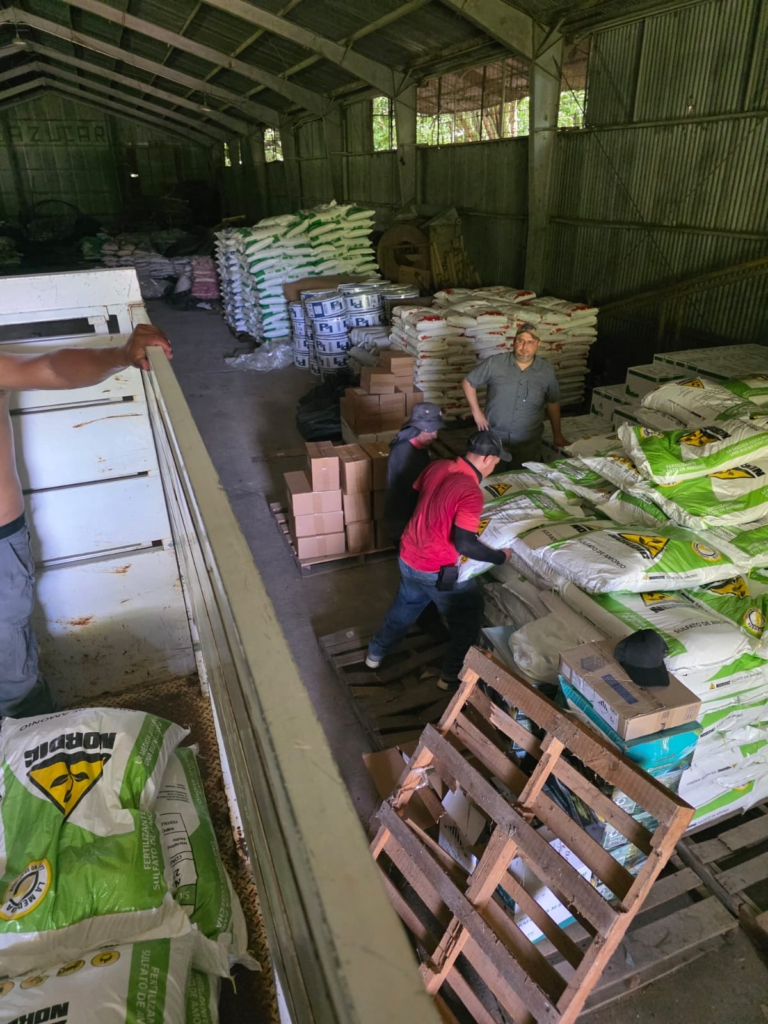
Domínguez highlighted that over 70% of the productive areas included in the program have irrigation systems, which allows production to continue even under adverse weather conditions. This infrastructure is considered essential for protecting crops and ensuring food availability.
The Deputy minister also assured that the country maintains a guaranteed supply of staple grains thanks to domestic production and sufficient reserves of imported grain to meet demand this year and next. Furthermore, the government continues to distribute food packages to farmers affected by prolonged droughts, as part of its efforts to support the sector and protect food security for the population.
You can also read: