

 A. M.
A. M. 
Private investment released in El Salvador has exceeded US$5 billion, solidifying 2025 as the year of investment, according to data presented by Luis Rodríguez, Executive Director of COAMSS/OPAMSS. This record volume reflects projects that have already completed nearly 80% of the most complex processes, such as technical studies, preliminary analyses, and hydraulic assessments, and are now in the initial construction phase, marking a turning point for the national economy.
Rodríguez explained that this progress represents the most difficult stage of the investment cycle, as it involves obtaining permits, completing specialized studies, and finalizing urban planning. “The hardest part is over; now we are seeing these projects begin to materialize”, he said. This boost has allowed for the sustained reactivation of key sectors such as construction and real estate activities, which showed double-digit growth during 2025, unlike the behavior observed in 2024.
According to calculations made in conjunction with the Cámara Salvadoreña de la Construcción (CASALCO), project execution reached approximately US$3 billion by the end of 2024, while in 2025 the sector showed record figures. This dynamism is reflected not only in investment amounts but also in the diversification of projects, with the activation of types of projects that were not previously developed in the country.
One of the most significant changes has been the reactivation of logistics and warehousing, especially in strategic areas such as West San Salvador, where 67% of the investment corresponded to these types of projects. This growth responds to a greater demand for infrastructure for distribution, warehousing, and commerce, linked to both the domestic and regional markets.
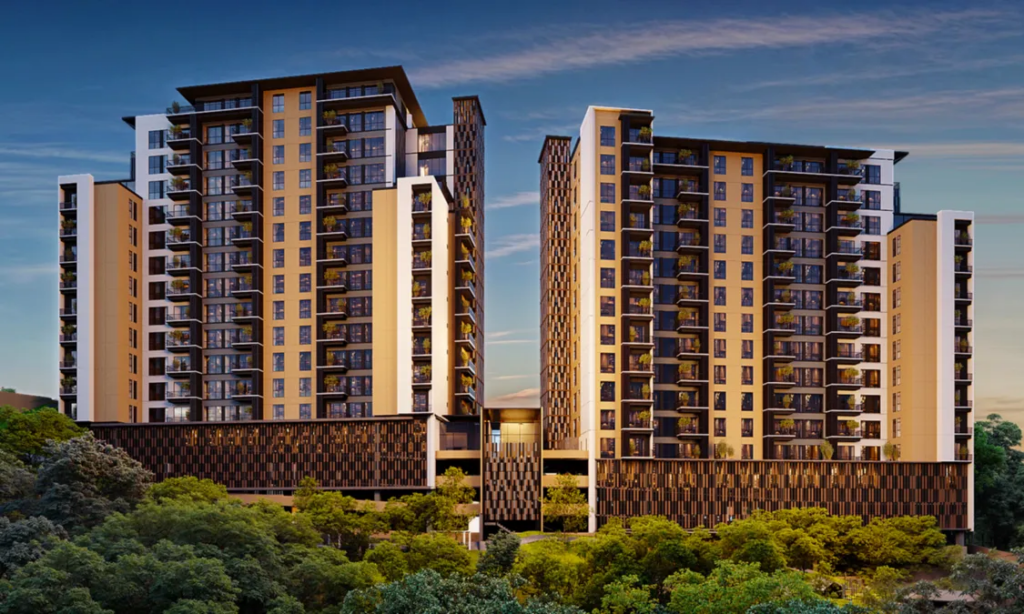
The economic impact is also evident in employment. On average, the construction sector generated approximately 168,000 jobs, which, according to Rodríguez, “directly affects the economic well-being of families”. This is further bolstered by the performance of imports at the port of Acajutla, which grew by around 60%, driven primarily by the influx of raw materials for construction, considered a key indicator of productive dynamism.
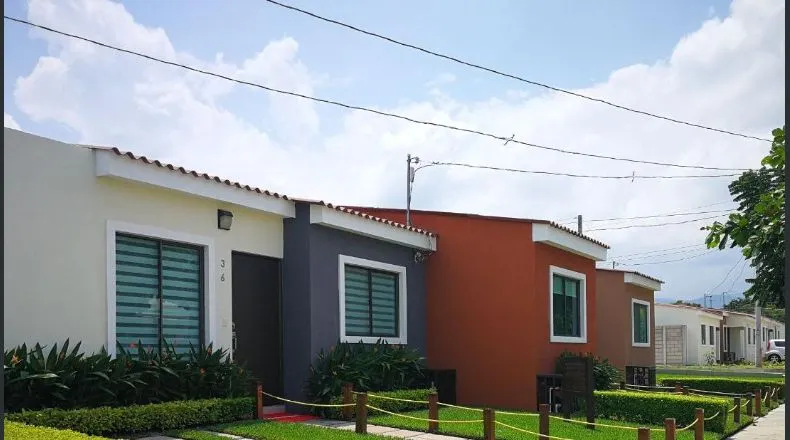
The official said that, during 2025, approximately 50% of the projects were residential developments, maintaining their predominant status. However, toward the end of the year, an increase in mixed-use projects was observed. These are conceived as integrated districts that combine housing, commerce, services, and productive spaces, leveraging their size and strategic location through coordinated efforts with the private sector.
Rodríguez emphasized that security has been a determining factor in this favorable investment climate. Currently, COAMSS/OPAMSS manages approximately 587 projects, almost half of which are residential, a proportion considered normal in markets with similar characteristics. The tourism and logistics industries stand out as complementary drivers of growth.
As part of its development strategy, COAMSS/OPAMSS is promoting the creation of “super districts”, pre-identified and mapped areas where existing public investment, economic potential, and specific opportunities are analyzed. Within these areas, clear regulations, planning strategies, and urban renewal plans are developed. Some of these districts have a focus on tourism and culture, while others prioritize warehousing and logistics.
The goal, according to Rodríguez, is to extend this model to all municipalities in the San Salvador Metropolitan Area, strengthening urban planning and ensuring that the released private investment translates into sustainable development, employment, and long-term economic growth.
You can also read: