


 A. M.
A. M. 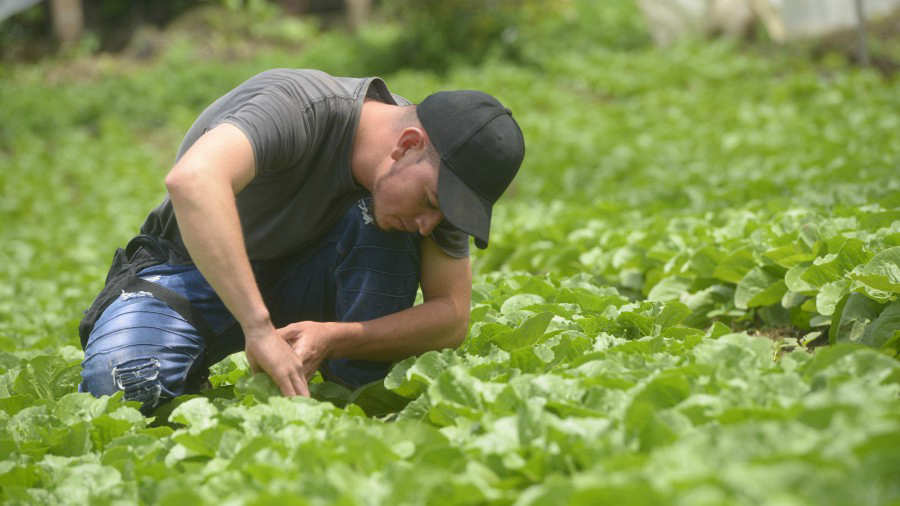
Small producers continue to sustain the national agricultural sector, according to preliminary results from the Fifth Agricultural Census 2025, presented by the Banco Central de Reserva (BCR). The data confirms that this segment maintains a high level of participation within the agricultural sector, with production primarily geared towards the local market, reinforcing its strategic role in the country’s social economy and food security.
According to the BCR, the productive structure of salvadoran agriculture is largely composed of small-scale units, managed by families who combine production for sale with self-consumption. This model not only generates direct income for thousands of rural households but also guarantees a constant supply of basic foodstuffs in urban and rural communities.
The census shows that small producers maintain strong ties with local markets, where direct sales to consumers, retailers, or in municipal markets and plazas remain the main sales channel. This dynamic allows for reduced intermediation costs and strengthens territorial economies, although it also faces challenges such as limited access to financing, technology, and infrastructure.
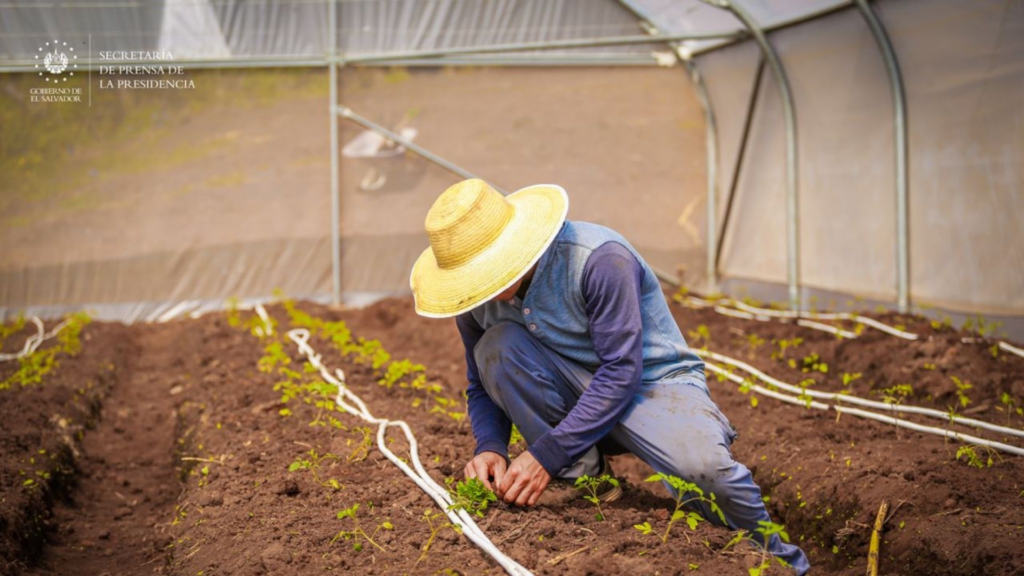
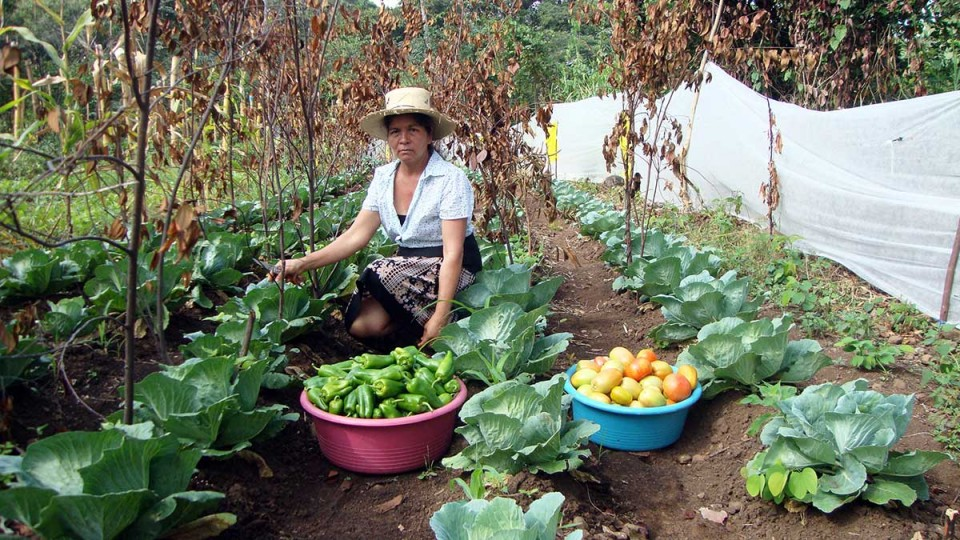
From a food security perspective, the contribution of small-scale producers is key. Their diversified production (which includes staple grains, vegetables, fruits, and livestock) contributes to food availability and stability, especially in contexts of price fluctuations or disruptions in supply chains.
The BCR emphasizes that their focus on the domestic market makes small-scale producers a pillar of national consumption, meeting the daily needs of Salvadoran households. This approach strengthens the resilience of the agricultural sector and its capacity to respond to external shocks, such as increased input costs or fluctuations in international trade.
The results of the Fifth Agricultural Census 2025 provide a solid statistical basis for designing public policies focused on the social economy, aimed at strengthening productivity, improving market access, and promoting cooperative models that empower small-scale producers.
Taken together, the information confirms that salvadoran agriculture relies heavily on the daily efforts of thousands of small-scale producers, whose work not only drives the rural economy but also ensures food security for the population and contributes to the country’s sustainable development.
You can also read: