A. M.
A. M. 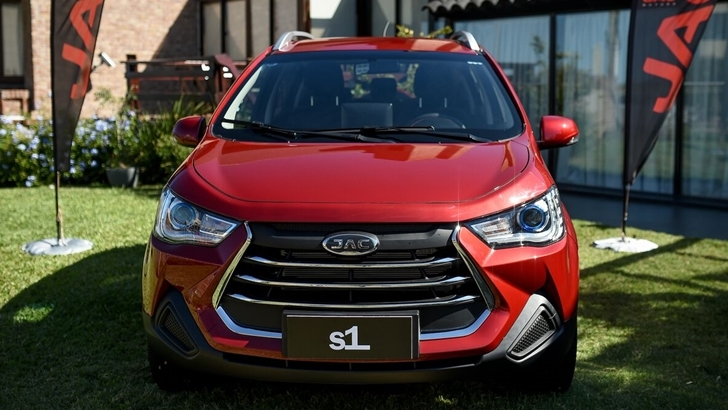
Vehicle imports in El Salvador have experienced a 400% growth in the last decade, driven primarily by the influx of vehicles from China, according to data from Banco Central de Reserva (BCR). This increase reflects a progressive transformation of the vehicle market, marked by a greater diversity of brands and technologies available to salvadoran consumers.
According to official figures, 7,153 vehicles of chinese brands are currently circulating in the country, among which JMC, Chery, Foton, and JAC stand out as the most in-demand within this segment. Although the presence of these vehicles has grown steadily, their market share is still limited compared to traditional manufacturers.
Importers in the sector explain that, while growth has been remarkable over the years, the increase so far in 2026 does not exceed 20% compared to 2025, indicating more moderate progress in the short term. Furthermore, they agree that this increase has not meant a displacement of Japanese and Korean brands, which continue to lead the preferences of salvadorans.
Brands like Toyota, Nissan, Honda, Kia, and Hyundai maintain a dominant position, collectively accounting for 45.6% of the national vehicle fleet. This advantage is mainly attributed to consumer confidence, the extensive network of repair shops, and the ease of finding spare parts throughout the country.
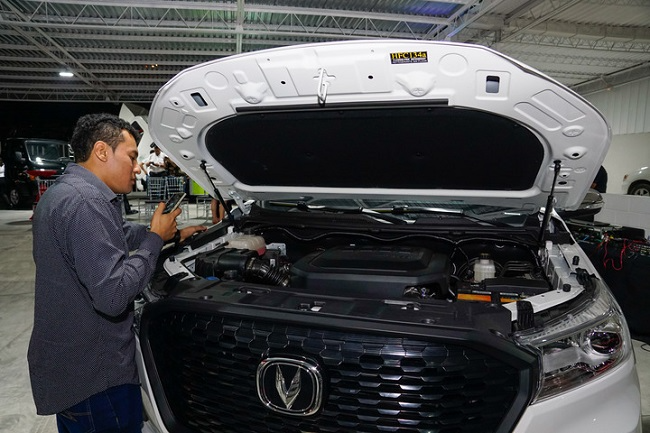
In contrast, one of the main challenges facing vehicles of Chinese origin is the availability of spare parts and specialized technical services. Importers point out that, without authorized repair shops or a formal parts distribution chain, it is difficult for these brands to fully consolidate their position in the salvadoran market.
The growth in imports is also most evident in the motorcycle sector. There are 219,669 motorcycles circulating in El Salvador, many of them from brands like Freedom, Serpento, and Skingo, which use Chinese technology and are assembled in Central America, facilitating their adoption due to their accessibility and competitive prices.
Another relevant element is the chinese industry’s shift towards electromobility. Most vehicles imported from that country include electric or hybrid models. Since 2020, El Salvador has had an incentive law for the import of electric and hybrid vehicles, which has opened opportunities for these types of vehicles.
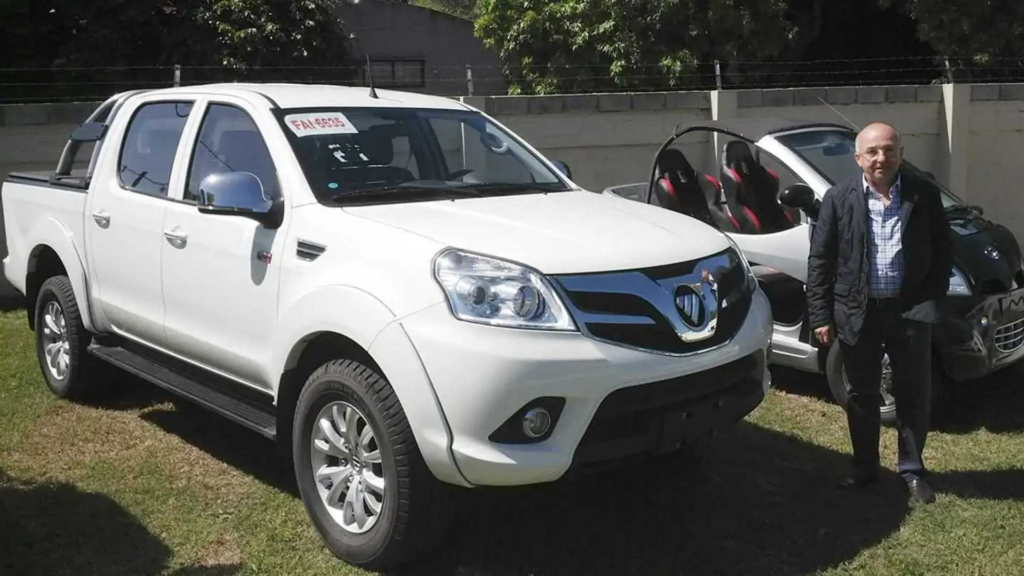
However, regulatory limitations persist, especially for importers of used vehicles. The legislation requires the existence of a workshop authorized by the BMT, a requirement that, according to importers, has not yet been fully implemented for six years. This situation prevents some vehicles from obtaining license plates, hindering the sector’s growth.
Overall, the increase in vehicle imports demonstrates an evolving market, with greater openness to new brands and technologies, but one that still faces structural, trust, and regulatory challenges to achieve more balanced competition within El Salvador’s vehicle fleet.
You can also read: