

 A. M.
A. M. 
34.7% of the population in El Salvador say that if they lost their main source of income, they could only cover their expenses for a month or less without borrowing money, a figure that highlights the financial fragility of a significant portion of the country’s households. This is according to the Encuesta Nacional de Inclusión y Educación Financiera, conducted by the Banco Central de Reserva (BCR), which analyzes people’s ability to cope with unexpected economic events.
The survey also shows that an additional 27.1% could survive a week or less without income, further deepening the picture of financial vulnerability. Taken together, these results indicate that a significant portion of the population lacks an emergency fund, considered a fundamental pillar of personal financial health.
These data reflect a limited capacity for saving and financial resilience, as more than a third of the population is exposed to economic shocks such as unemployment, medical emergencies, or income reductions. In practice, this means that many families depend almost entirely on their monthly income to cover basic needs such as food, housing, transportation, and services.
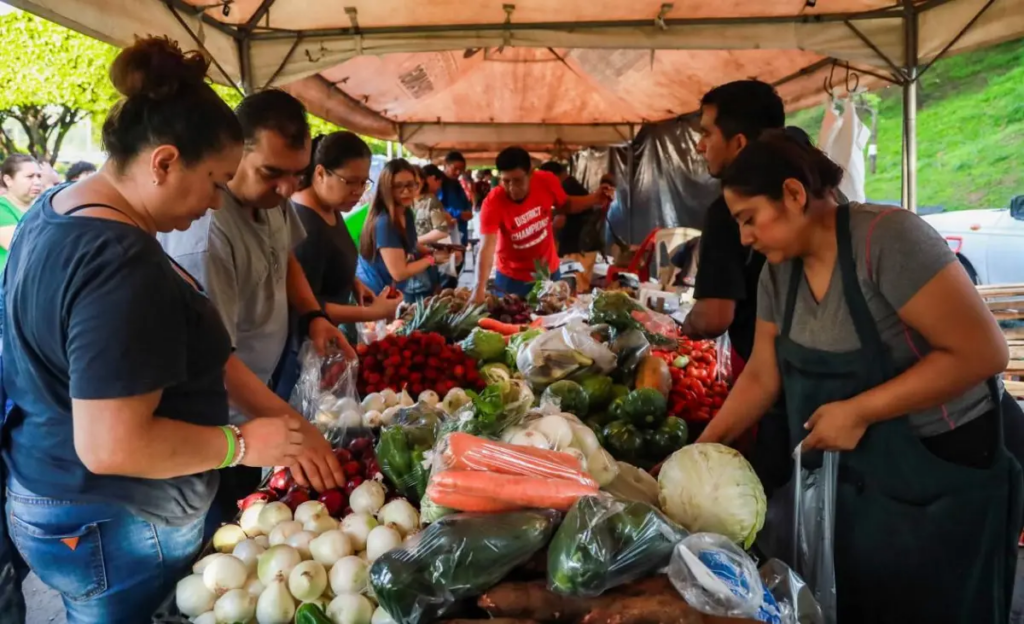
When analyzing the results by gender, it is observed that 36% of women state they could only cover expenses for a month or less, compared to 33% of men, suggesting greater financial vulnerability for women. Regarding the shortest possible survival time (a week or less), the percentage is also higher among women, reflecting structural gaps in income, employment, and access to savings.
By age group, young people between 18 and 25 years old present one of the most precarious scenarios: 39% indicate they could only survive for up to a month without income. This situation may be related to more unstable employment, lower wages, and less accumulated savings. In contrast, people aged 61 and over show a different pattern: while 27% fall within the range of a month or less, 35% state they could only survive for a week or less, reflecting the pressure faced by many older adults with limited incomes or insufficient pensions.
The differences are also evident by area of residence. In urban areas, 35% of people could cover expenses for a month or less, while in rural areas the percentage is 34%. However, in rural areas, the group that could only manage for a week or less increases, suggesting greater liquidity constraints and limited access to formal savings mechanisms.

Financial education specialists point out that these results confirm the need to strengthen a savings culture, promote financial planning, and expand access to products that allow people to build financial reserves. Having an emergency fund equivalent to at least three months of expenses is a key recommendation for reducing vulnerability to unexpected crises.
The Banco Central de Reserva (BCR), emphasizes that the survey aims to serve as a tool for formulating public policies geared towards improving financial inclusion and the economic stability of households. The data highlight that, beyond economic growth, one of the country’s main challenges remains ensuring that families have greater capacity for planning and financial sustainability in the short and medium term.
You can also read: