dinero_admin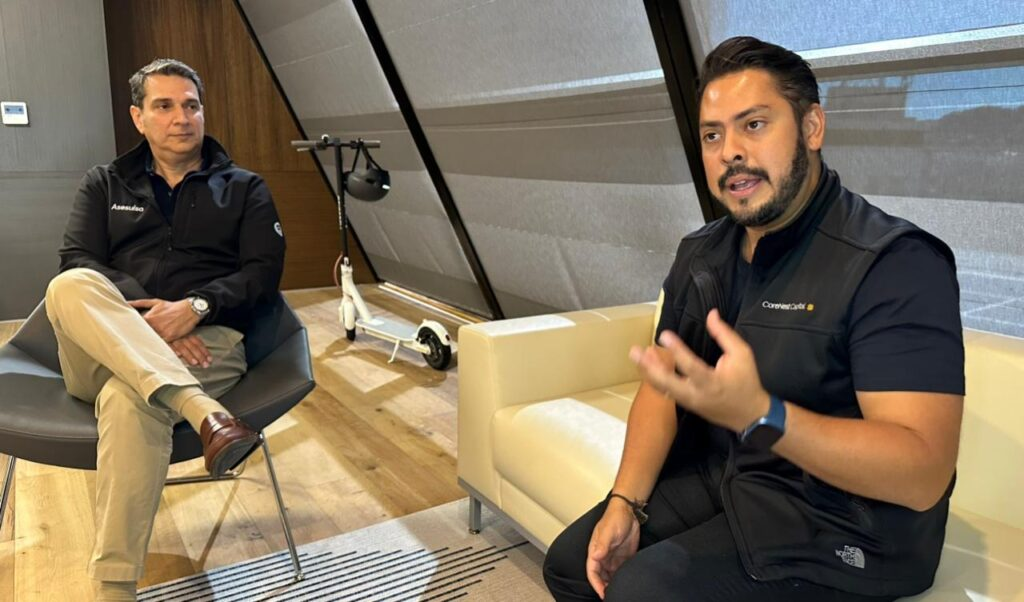
Asesuisa and CoreNest are committed to making El Salvador the gateway for tech startups looking to scale from the region to the world, combining venture capital, acceleration, and the experience of over five decades of a leading insurance company in the salvadoran market.

A fund starting at US$25 million and aiming for US$100 million
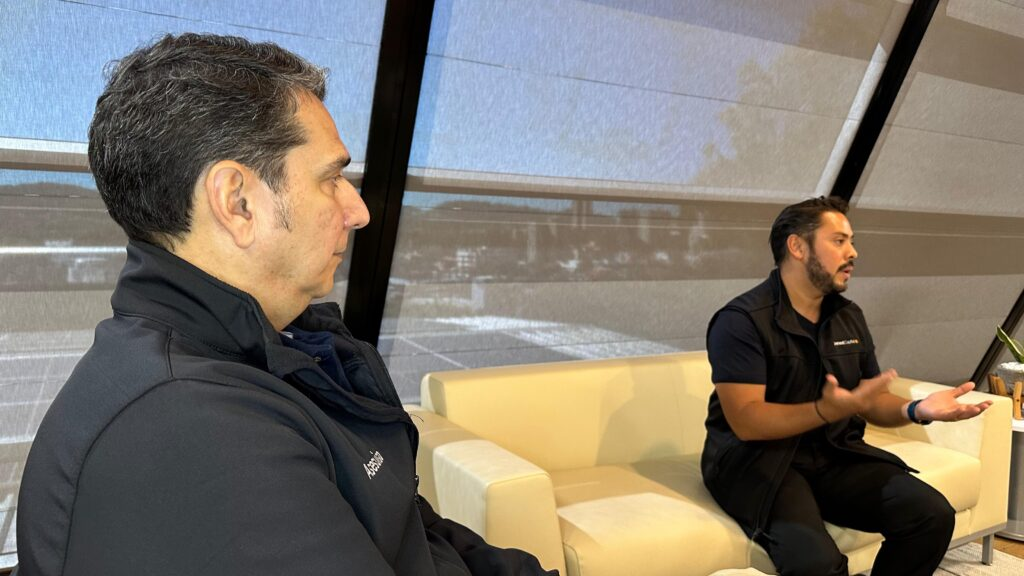
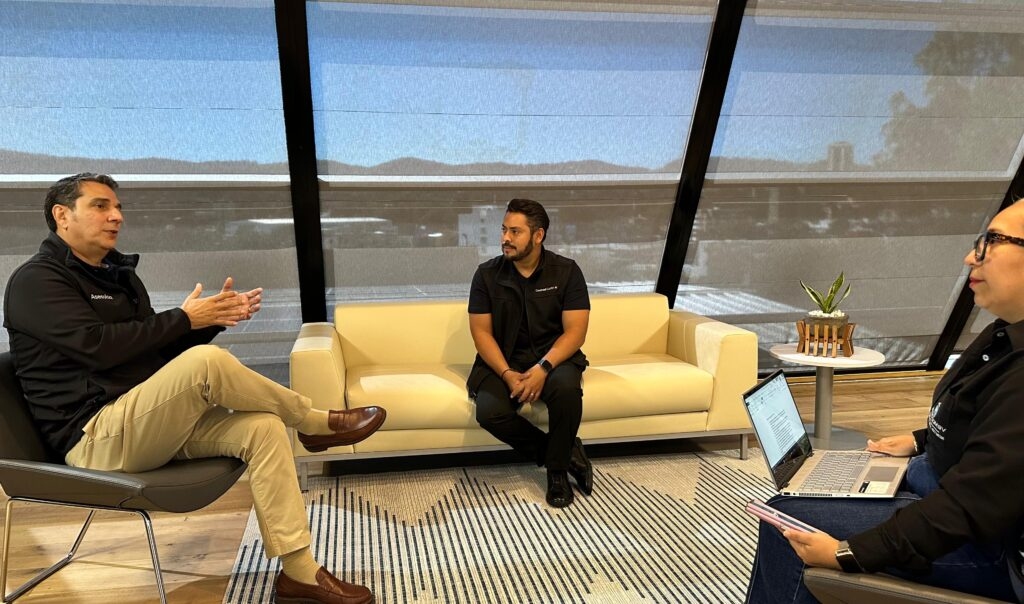
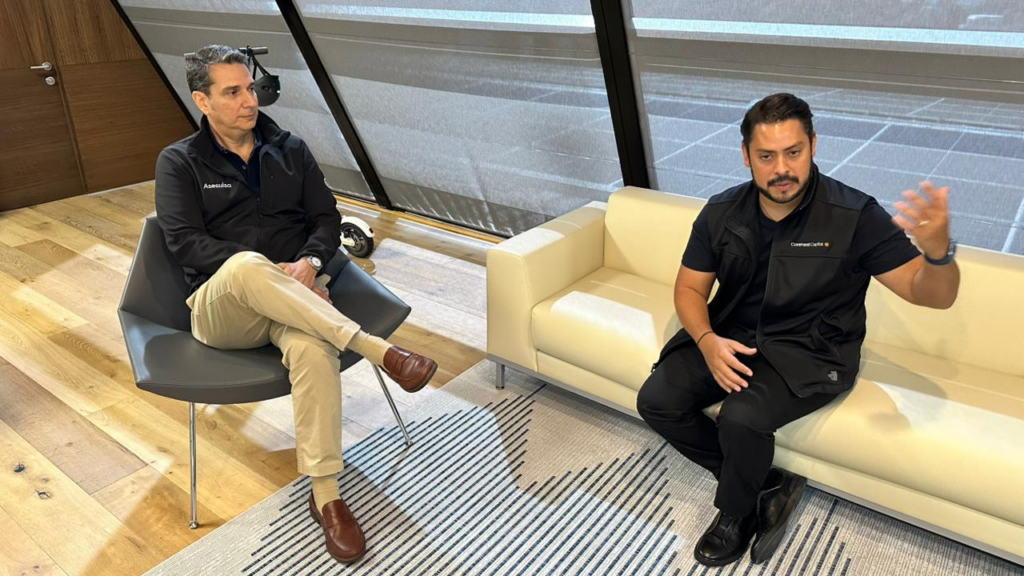
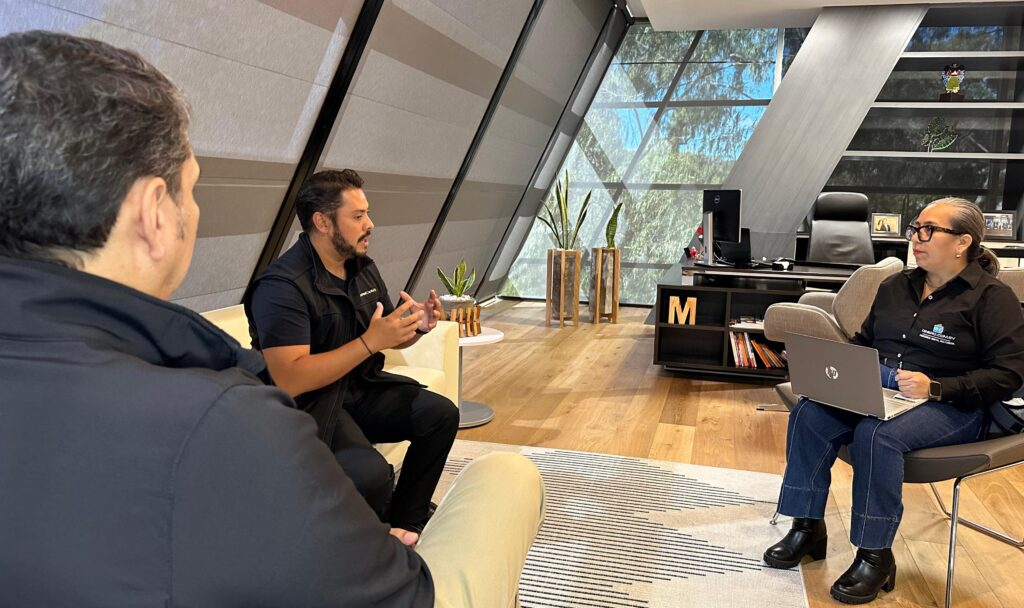
During an exclusive interview with dinero.com.sv, José Roberto Rodríguez, CEO of CoreNest Accelerator, confirmed that CoreNest’s venture capital fund was structured with US$25 million, funded by regional and global investors, as well as the firm’s own team.
This capital will be deployed through the accelerator: each startup that enters the program will receive a check for US$125,000, along with a training program to ensure that the investment is not wasted but used strategically for growth.

The medium-term vision is clear: after a maturation period of five to eight years, the goal is to scale the fund to $100 million and attract startups not only from Latin America, but from anywhere in the world that see El Salvador as a base for global expansion.
Asesuisa as a founding partner and innovation lab
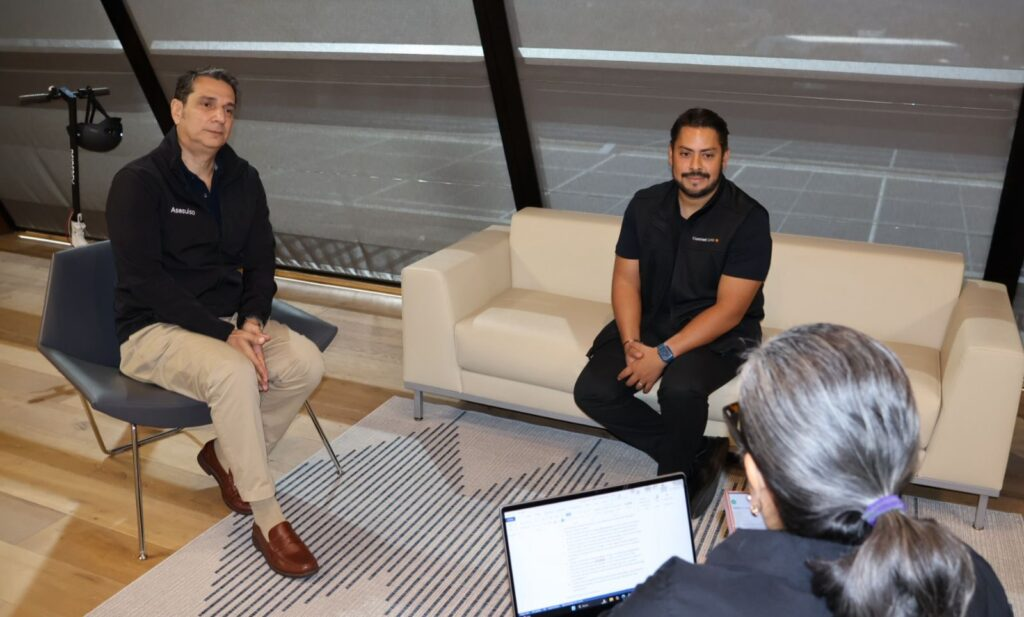
Asesuisa joins as a Founding Partner of CoreNest Accelerator’s insurance vertical, with an active role in designing innovation challenges, accessing the startup pipeline, corporate pilots, and co-creation spaces.

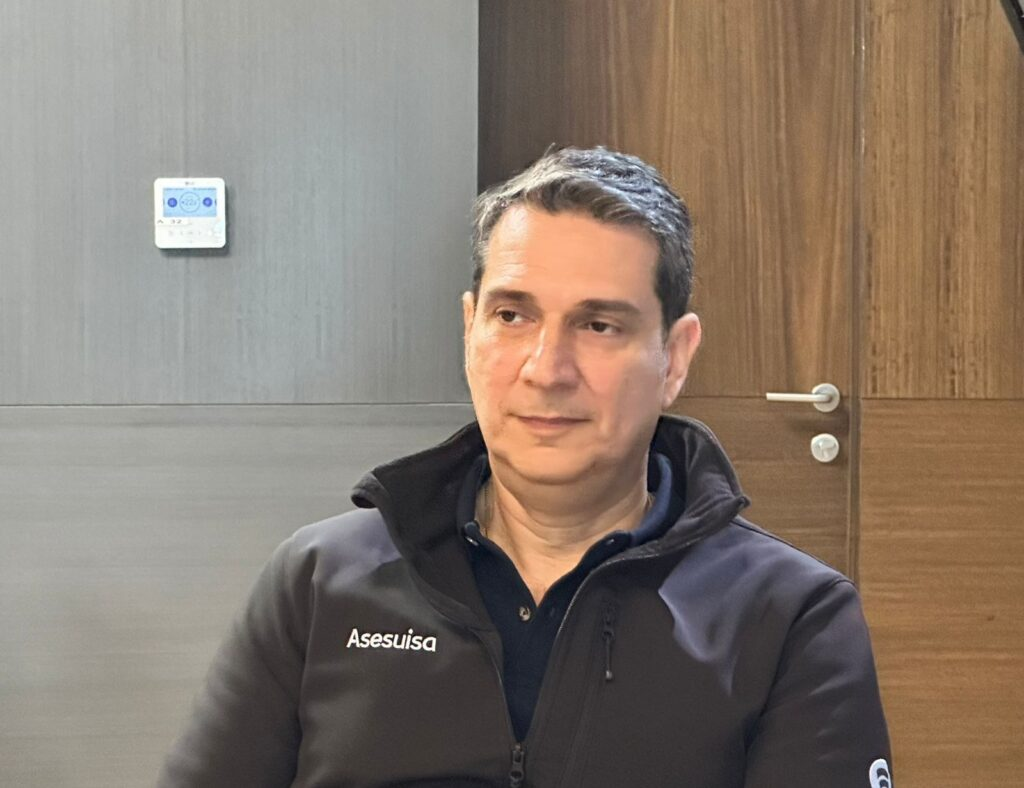
In the interview, Enzo Bizzarro, CEO of Asesuisa, explained that the insurer is joining as a founding partner in a support and learning process regarding the model and methodology, with the goal of becoming more agile in his own business and transferring the best technological solutions to its processes, customer experience, and sustainable profitability. With 56 years of experience in insurance and the backing of the Grupo Ficohsa, Asesuisa seeks to leverage this partnership to better manage the risks of SMEs and startups, and transform the way insurance services are provided in the region.
Why El Salvador is becoming a magnet for innovation
For Bizzarro, the country now offers a favorable environment for investment, with rules that allow it to attract capital that previously went to larger or more developed markets.
Asesuisa and CoreNest’s venture combines business interests with a social ideal: for El Salvador to become a leader in technology, generating well-being for society through the development of new solutions and their subsequent use for the benefit of clients and partners.
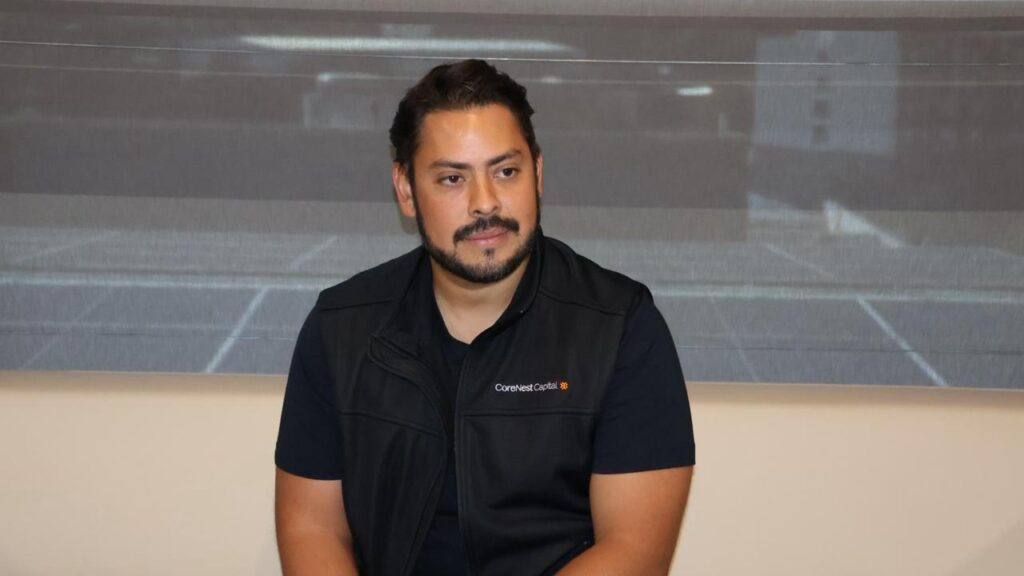
Rodríguez complements this vision by emphasizing that Central America, with nearly 60 million inhabitants, represents an attractive market for a startup to rapidly expand regionally from El Salvador, increasing its value and growth potential.
What kind of startups is CoreNest looking for?
Rodríguez explained that the program is attracting technology startups from various sectors, with an emphasis on those incorporating a strong artificial intelligence component.
Among the priority categories, he mentioned AI solutions applied to insurance, logistics, or robotics, as well as projects in telecommunications, energy, infrastructure, and fintech, provided that the technology is a key enabler for scaling to markets larger than Latin America.
CoreNest will invest in early-stage startups valued at around one million dollars that are in the minimum viable product (MVP), prototype, or pre-seed stage, providing a flat investment of $125,000 to each startup that enters the acceleration program.
A direct message to tech entrepreneurs
From Asesuisa, the message for salvadoran entrepreneurs is that “dreams can now become reality in their own country,” because the conditions exist for their goals to materialize within a business model that makes them relevant in specific industries.
For founders in the region, the call is to see El Salvador as a platform for developing technologies that benefit Latin America, taking advantage of a market that shares a language, similar needs, and now has the infrastructure to scale solutions.
Rodríguez added two more calls: that innovators see the country as an attractive destination for developing innovation, and that salvadoran and regional society remain open-minded toward new technologies, especially artificial intelligence, which can make daily tasks more efficient and free up time for higher-value activities.