

 dinero_admin
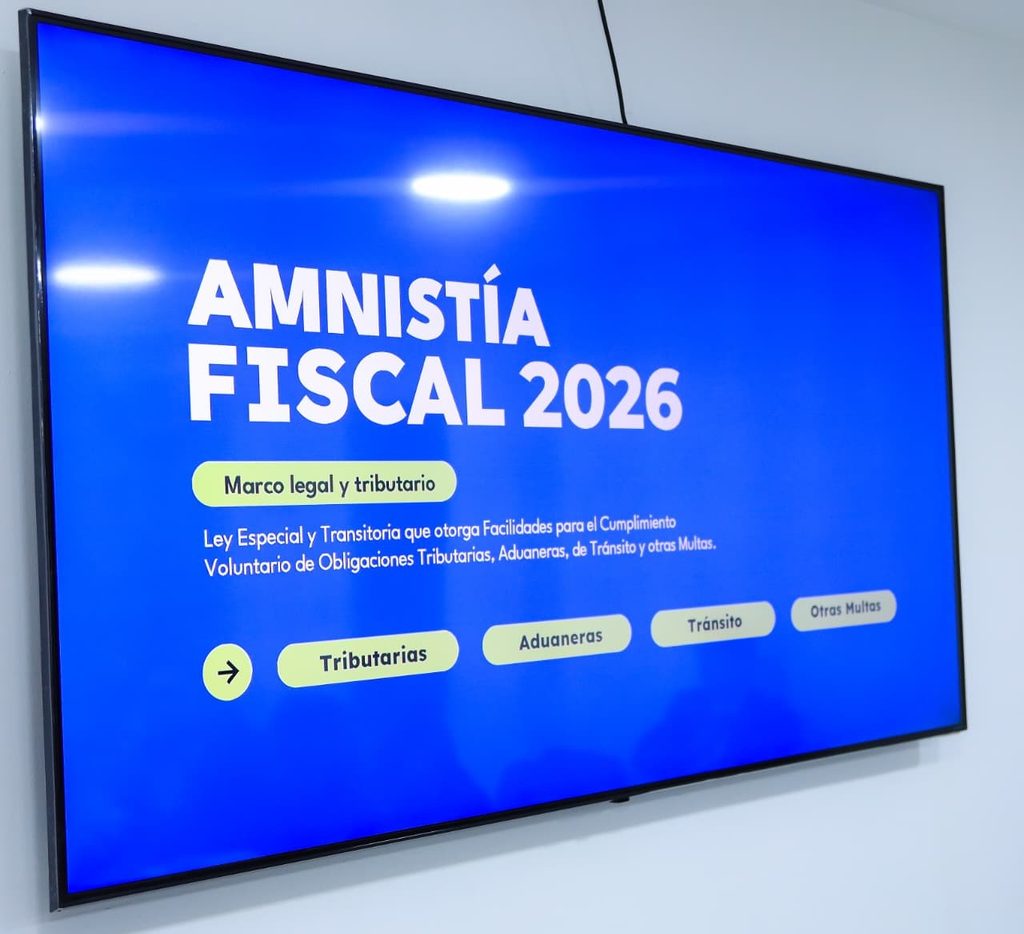
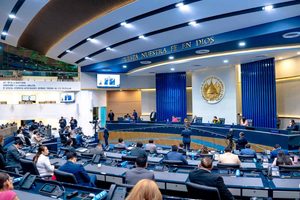
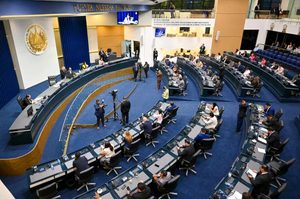
Salvadoran taxpayers may soon have a new opportunity to get up to date on their tax and customs obligations, as well as certain fines, without having to pay interest, surcharges, or late-payment penalties. The Legislative Assembly’s Finance Committee has issued a favorable opinion on a transitional law that would establish a tax amnesty in effect until december 11, as discussed during the review of the proposal.
The initiative, titled the “Special and Transitional Law Granting Facilities for the Voluntary Compliance with Tax, Customs, and Transit Obligations, and Other Fines”, aims to facilitate the settlement of outstanding debts owed to the State. However, the committee’s favorable opinion does not mean the law is currently in effect; the proposal must still complete the full legislative process.
During the discussion, Marvin Sorto, director general of Internal Taxes at the Ministry of Finance, explained that the measure is intended to provide an opportunity for individuals who, due to various circumstances, have been unable to meet their fiscal commitments. He noted that the objective is to simplify the regularization of debts and encourage compliance with tax obligations.
The amnesty would cover debts owed to the General Directorate of Internal Taxes, the General Directorate of Customs, and the Appeals Tribunal for Internal Taxes and Customs. It would also encompass certain cases involving traffic fines and sanctions imposed by public administration institutions, as well as judicial collection proceedings handled by the la Fiscalía General de la República (FGR). Municipal fines, however, would be excluded from this benefit.
One of the primary advantages would be the ability to pay off the outstanding balance without incurring interest, surcharges, or late-payment penalties otherwise applicable. Regarding traffic violations, Sorto clarified that the measure would not eliminate the sanctions imposed by police officers or traffic enforcement agents; rather, it would allow for the waiver of surcharges or interest accrued due to failure to pay fines within the designated timeframe.
The proposal also includes provisions for those unable to settle their entire debt at once. Taxpayers could request a payment plan requiring an initial installment equal to 10% of the total amount owed, with the remaining balance to be paid for in eight consecutive monthly installments. According to discussions during the committee meeting, this mechanism would also apply to fines related to the failure to meet formal administrative obligations.
However, those who fail to adhere to the payment plan would lose the benefits of the amnesty, and the original surcharges would be reinstated on a proportional basis, in accordance with the terms outlined in the proposal. Consequently, taxpayers who choose this option must strictly follow the agreed-upon dates and payment amounts to retain these benefits.
The most recent precedent for a similar measure was approved on october 15, 2025, benefiting 56,195 taxpayers. Data presented indicates that 71% of the total revenue collected came from small taxpayers, 15% from medium-sized taxpayers, and 14% from large taxpayers. Through this new initiative, the Ministry of Finance aims to facilitate the recovery of outstanding obligations and provide more opportunities for individuals and businesses to regularize their tax status. The final scope will depend on the enactment of the law and the specific terms ultimately established.
You may also read: