

 dinero_admin
The Legislative Assembly has ratified, with 58 votes, a partial-scope agreement between El Salvador and Belize that will expand trade between the two nations by eliminating or reducing tariffs on hundreds of products. The agreement, signed on august 13, 2026, provides preferential treatment for 422 salvadoran products, allowing them to enter the belizean market under more favorable conditions.
Of the total number of salvadoran goods included in the agreement, 316 manufactured items will be subject to zero tariffs, while another 106 will benefit from partial reductions. This means that some products will be able to enter Belize exempt from import duties, while others will face lower levies, depending on the specific terms established for each type of good.
El Salvador will grant tariff preferences to 276 products originating from Belize. Of these, 194 will be able to enter the salvadoran market duty-free, while 82 will receive partial tariff reductions. These terms are intended to facilitate bilateral trade and create better opportunities for companies in both nations to market their products.
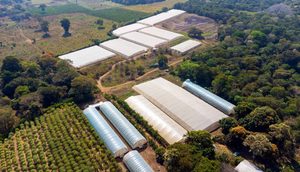
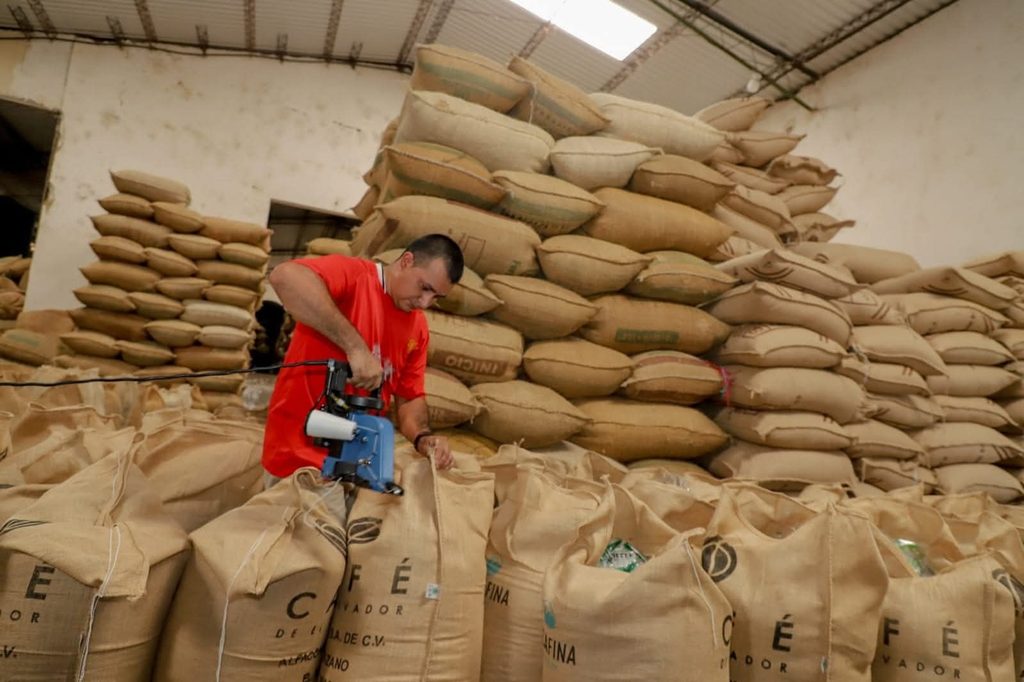
Salvadoran sectors likely to benefit include metalworking, chemicals, paper and cardboard manufacturing, textiles and apparel, plastics and rubber, and the agribusiness sector. These industries will gain access to the Belizean market with lower tariff costs, which could enhance the competitiveness of their products against other goods.
Products from Belize that will receive preferential treatment for entry into El Salvador include leather and hide goods, stone manufactures, furniture, and wood products, among others. The agreement establishes tariff preference margins ranging from 25% to 100%, depending on the product and the category to which it belongs.
The agreement also provides for the possibility of reviewing, modifying, and expanding the lists of eligible goods. This mechanism will allow both countries to negotiate new trade terms and include additional products in the future, based on opportunities identified by their respective productive sectors.
Another component of the agreement is the simplification of customs procedures, alongside the establishment of rules of origin. The latter will help determine which products meet the requirements to qualify for tariff benefits, ensuring that these preferences are applied only to the appropriate goods.
In addition to facilitating the exchange of goods, the agreement promotes investment as well as economic and technical cooperation between the two countries. To this end, it includes initiatives such as business meetings, information exchange, technology transfer, and training, all aimed at strengthening production, boosting exports, and expanding market access opportunities for companies from El Salvador and Belize.
You may also want to read: