

 dinero_admin
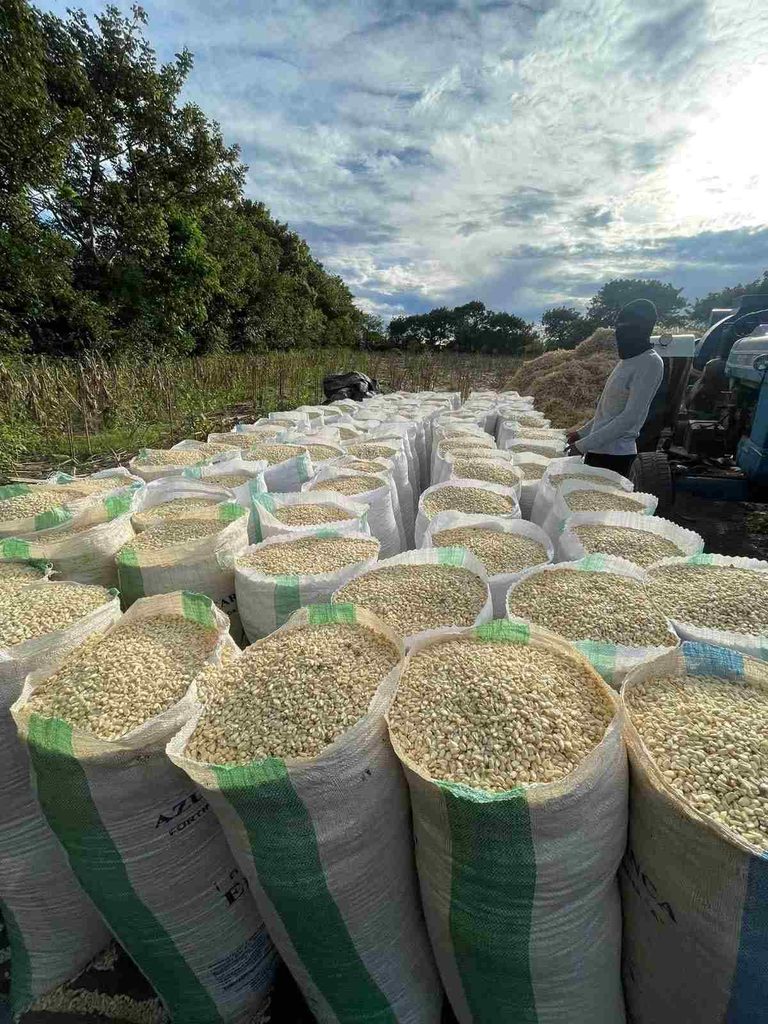
The Ministerio de Agricultura y Ganadería (MAG) projects an additional 40% increase in the results achieved through the Programa de Aumento a la Producción (PAP), with the goal of expanding the national food supply and progressively reducing dependence on imports. Óscar Domínguez, the institution’s honorary vice minister, reported that the strategy has driven the expansion of areas dedicated to crops such as vegetables and staple grains.
Domínguez explained that, at the end of 2024, El Salvador had more than 800 blocks dedicated to vegetable production. Currently, that area has reached 7,722 blocks according to data shared by the official. The program arose from collaborative work with producers and the technical selection of lands suitable for high-yield crops.
The initiative seeks to increase the availability of the most consumed foods among salvadoran families and reduce the risk of shortages due to adverse weather conditions or border difficulties. The Deputy minister said that plant planning and land selection have been fundamental to strengthening national production.
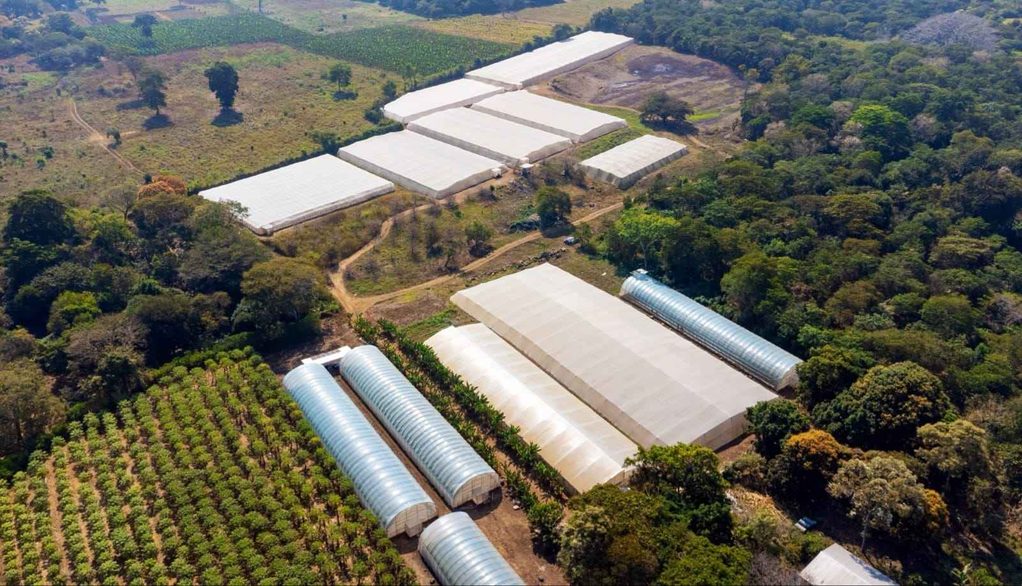
In addition to areas dedicated to vegetables, the country has more than 5,000 manzanas (approximately 1,000 acres) for other fruit crops. Regarding staple grains, the Ministerio de Agricultura y Ganadería (MAG) reports 201,000 blocks of production: 152,000 dedicated to corn and 49,000 to beans. Domínguez clarified that these areas can be used in two or three production cycles per year, depending on the crop and agronomic conditions.
According to the official, this growth has been possible through the utilization of land belonging to private producers, trade associations, irrigation districts, cooperatives, and other organizations. He also highlighted the technical support provided by international organizations such as the Inter-American Institute for Cooperation on Agriculture (IICA), the Food and Agriculture Organization of the United Nations (FAO), and the World Food Programme (WFP).
One of the main components of the Programa de Aumento a la Producción (PAP), is the incorporation of agricultural technology, mechanization, and high-yield hybrid seeds adapted to the needs of each crop. In vegetable production, the country has more than 2,000 protected environment structures, including greenhouses and shade houses, many equipped with automated or drip irrigation systems. Crops produced include tomatoes, cucumbers, and chili peppers, in addition to other vegetables grown in open fields.
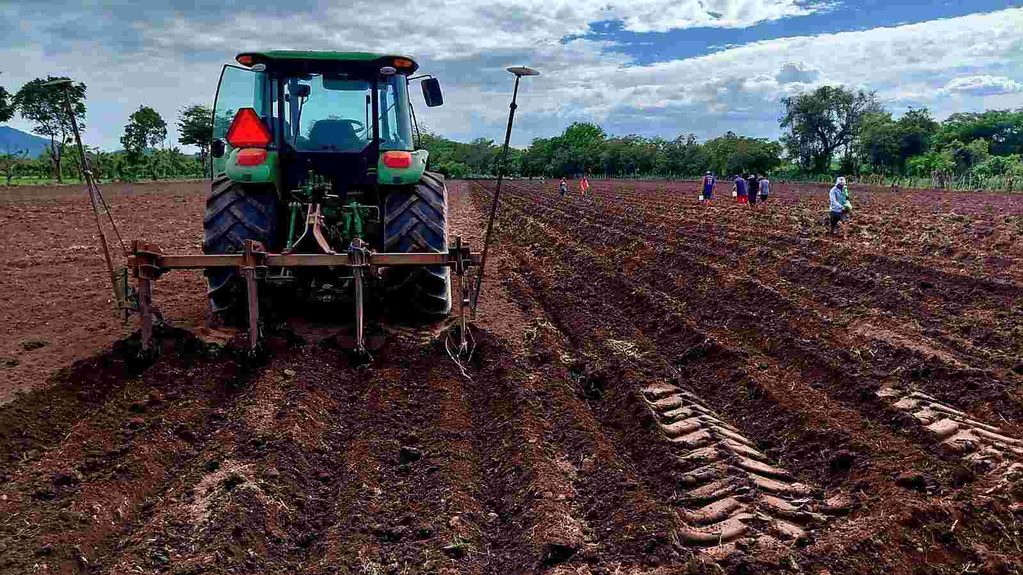
According to Domínguez, these technologies have allowed for yields up to six times higher per manzana (approximately 1.7 acres) in certain crops. For staple grains, the MAG reports an average of 85 quintals of corn per block, with maximum yields of up to 150 quintals in some plots. For beans, the reported average is 30 quintals per block, with yields of up to 52 quintals.
The Vice Minister also noted that more than 100 units of agricultural machinery have been incorporated, including tractors, seeders, harrows, and implements, as well as more than 25 drones from the T-70 and T-100 lines. He explained that this equipment strengthens agricultural work and allows for more timely application and other tasks.
Domínguez affirmed that, since december 2024, the country has maintained the supply of the most consumed foods, even in the face of border difficulties and adverse weather conditions. He clarified that the projected 40% increase does not imply eliminating imports, as these will continue to be necessary to maintain supply and balance supply with demand, especially given the consumption needs of the population and the more than four million tourists that, he indicated, the country receives each year. The goal of the PAP is to expand national production and strengthen El Salvador’s food security and sovereignty.
You can also read: