

 dinero_admin
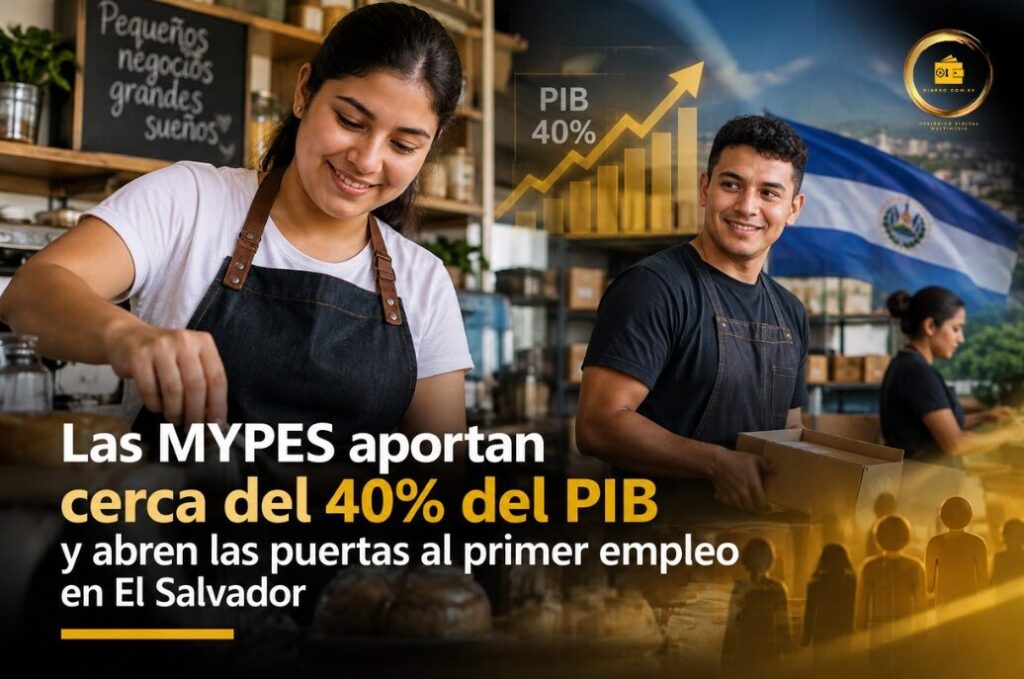
Micro and small enterprises (MSEs) represent one of the primary engines of the salvadoran economy, not only through their contribution to national output but also through their role in creating job opportunities. Nearly 40% of the Gross Domestic Product (GDP) is generated by this business segment, which also serves as a key gateway into the labor market.
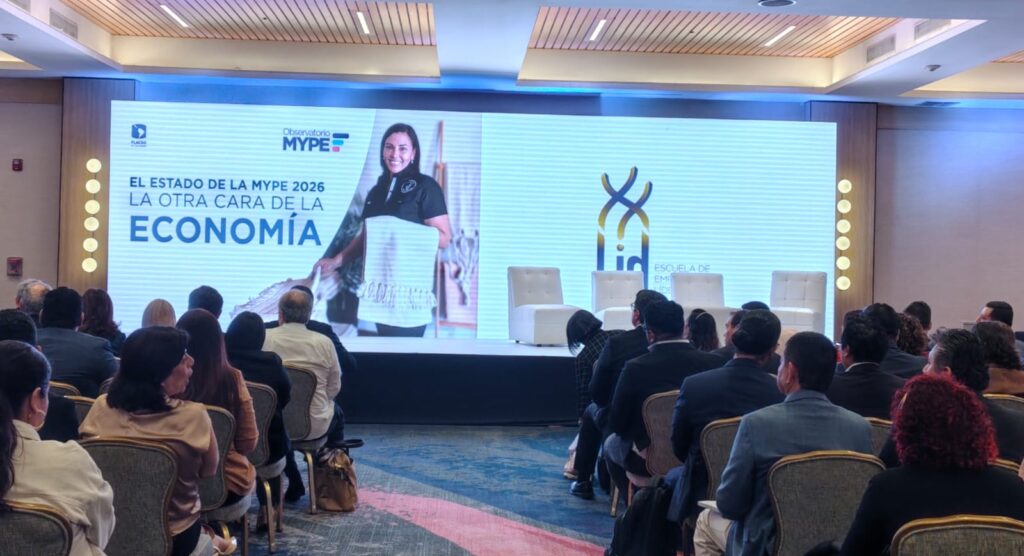
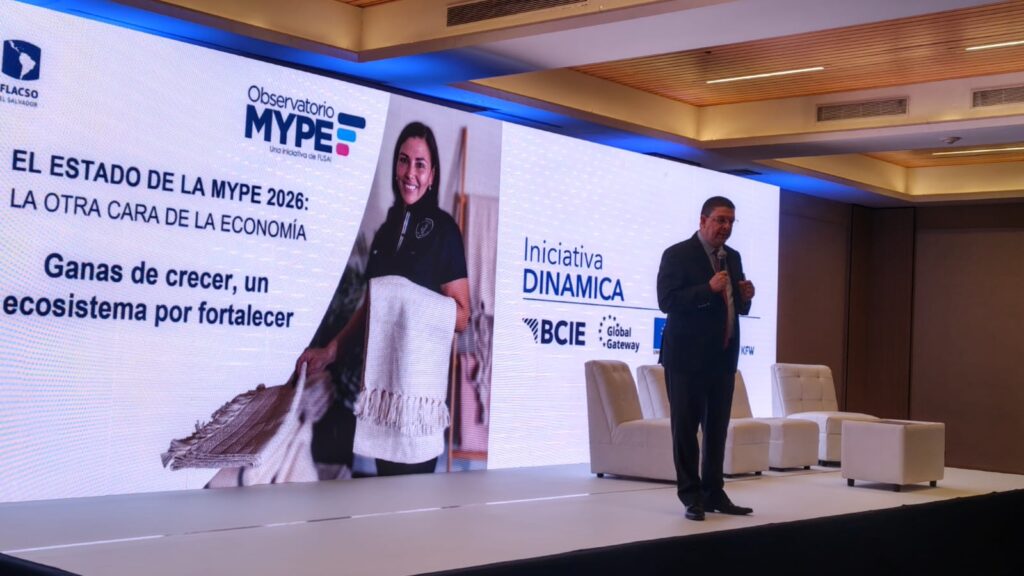
According to the report El Estado de la MYPE 2026: La otra cara de la economía produced by the MSE Observatory of Fundación Salvadoreña de Apoyo Integral (FUSAI), in collaboration with the Facultad Latinoamericana de Ciencias Sociales (FLACSO El Salvador), 38.5% of micro and small enterprises have at least one employee for whom that position was their first job. Among small enterprises specifically, this figure rises to 60.4%.
These findings highlight the importance of such businesses in integrating individuals into the labor market, even when they operate with small teams. The study indicates that, on average, MSEs employ two workers in addition to the owner.
William Pleites, Director of the FLACSO El Salvador program, noted that four out of every 10 micro and small enterprises report having staff members for whom the position represents their first work experience.
This role is particularly significant in a sector that, according to estimates by the MSE Observatory, comprises at least 903,149 businesses, accounting for more than 99% of the country’s business landscape, and generates over two-thirds of national employment.
More hiring, but with a focus on versatile profiles
Hiring outlooks also reflect the labor market activity that this business segment could generate. The report indicates that 33.9% of MSEs expect to hire staff over the next 12 months.
However, the needs of these businesses differ from those of larger organizations. Given that their teams are small, 76.5% of micro and small enterprises (MSEs) planning to hire will look for versatile employees capable of performing various functions within the business.
This profile aligns with the operational requirements of establishments that need staff to serve customers, handle sales, provide administrative support, and carry out a range of daily tasks.
Researchers warn that this characteristic also poses challenges for workforce training. Only 21.8% of the micro and small business (MSME) owners surveyed had either received training themselves or sent employees to external training programs over the past year.
Among those who did not participate in training, 48.6% stated that they did not consider it necessary, a finding that highlights the importance of offering practical training programs tailored to the specific conditions of smaller businesses.
A sector with uneven outcomes
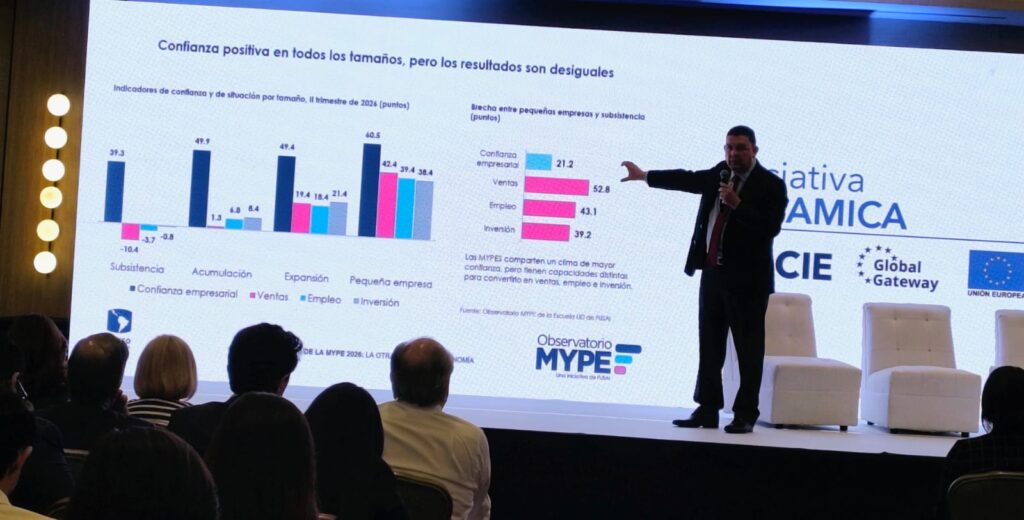
Despite their economic and employment contributions, MSMEs are not progressing at the same pace. The study identifies disparities between small businesses and subsistence-level micro-enterprises, the latter of which face greater difficulty in capitalizing on economic growth.
While small businesses recorded a positive balance of 42.4 points in sales, subsistence-level micro-enterprises reported a negative balance of 10.4 points.
Given this landscape, the report underscores the need to strengthen the business ecosystem, facilitate the integration of MSMEs into more dynamic markets, and develop training programs that align with their specific needs.
The challenge, according to the study’s findings, lies in ensuring that the economic contribution of these businesses translates into greater opportunities for growth, hiring, and workforce development.