

 dinero_admin
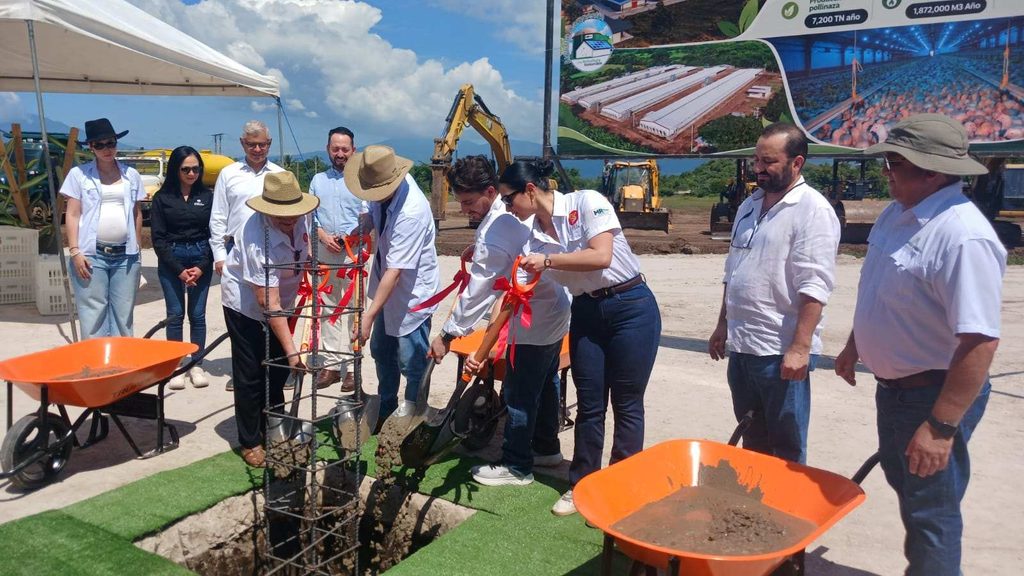
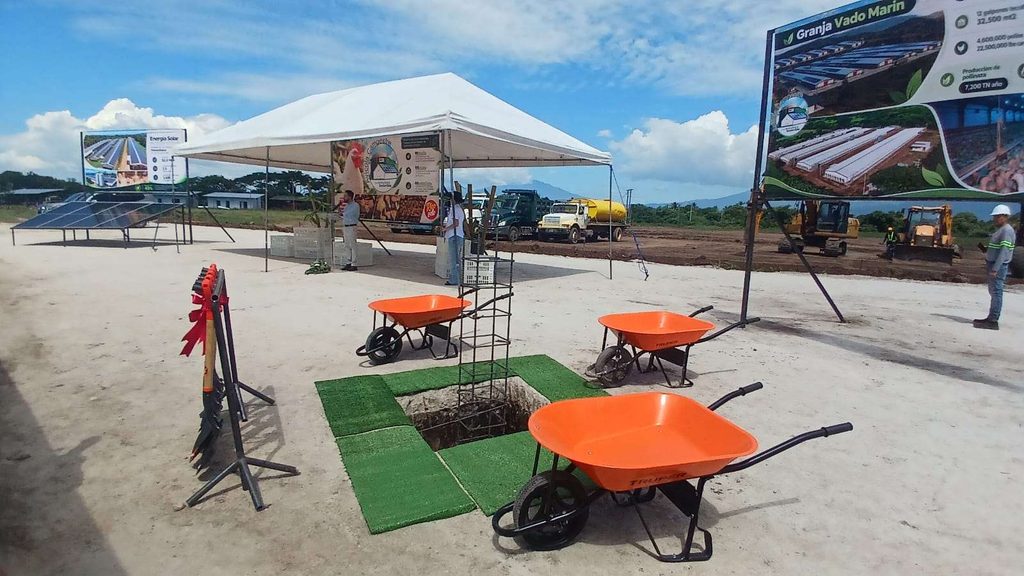
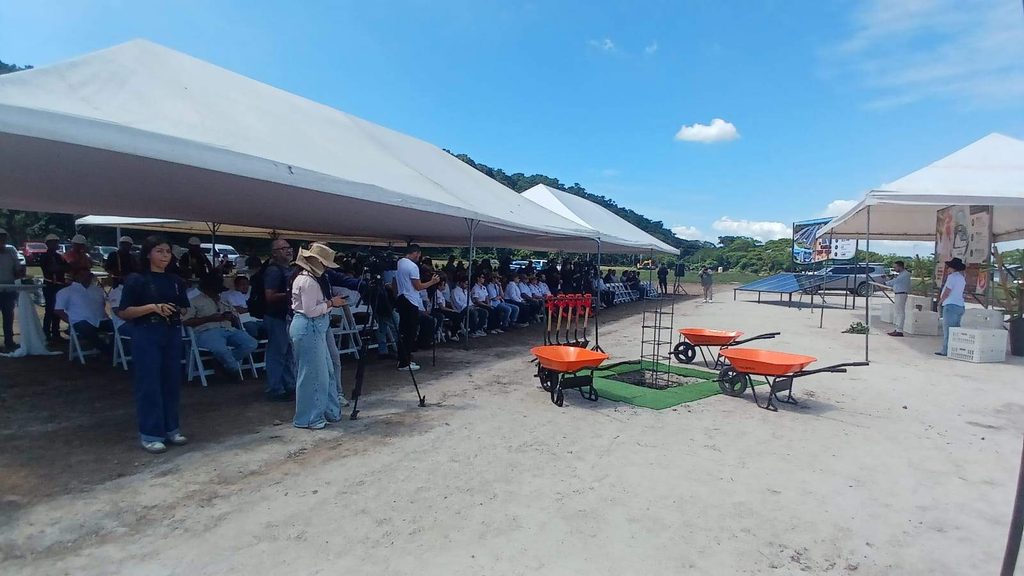
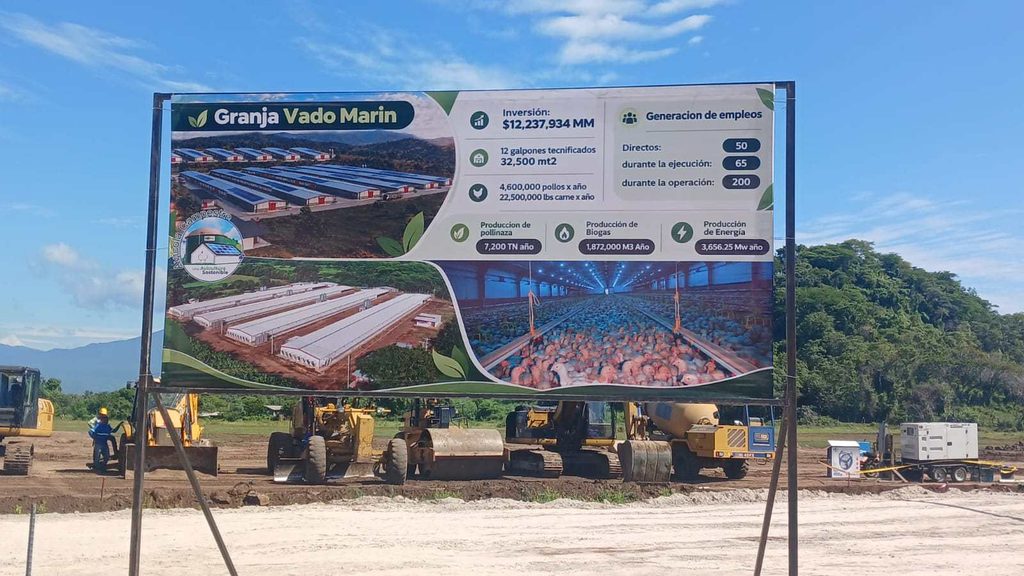
Avícola Campestre, a company with roots in San Miguel and part of Grupo Campestre, has launched its 2026–2030 growth plan with the groundbreaking for the Vado Marín farm, a project representing an investment of approximately US$12.3 million.
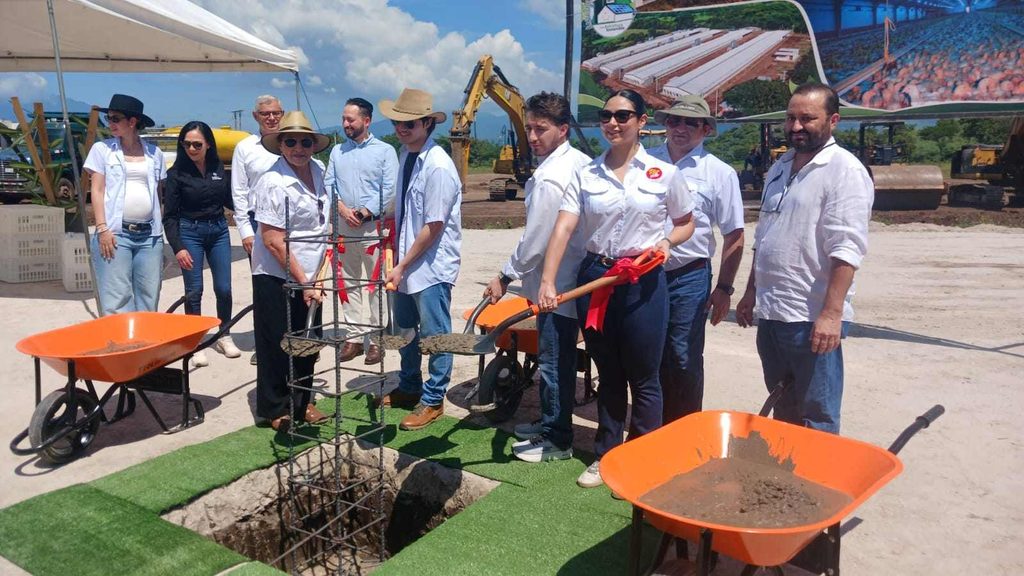
This initial phase includes the construction of 12 high-tech poultry houses, designed to accommodate an annual production of 4.6 million broiler chickens, equivalent to 22.5 million pounds per year. The project marks the start of an expansion strategy aimed at increasing production capacity, incorporating new technologies, and strengthening the competitiveness of the salvadoran agribusiness sector.
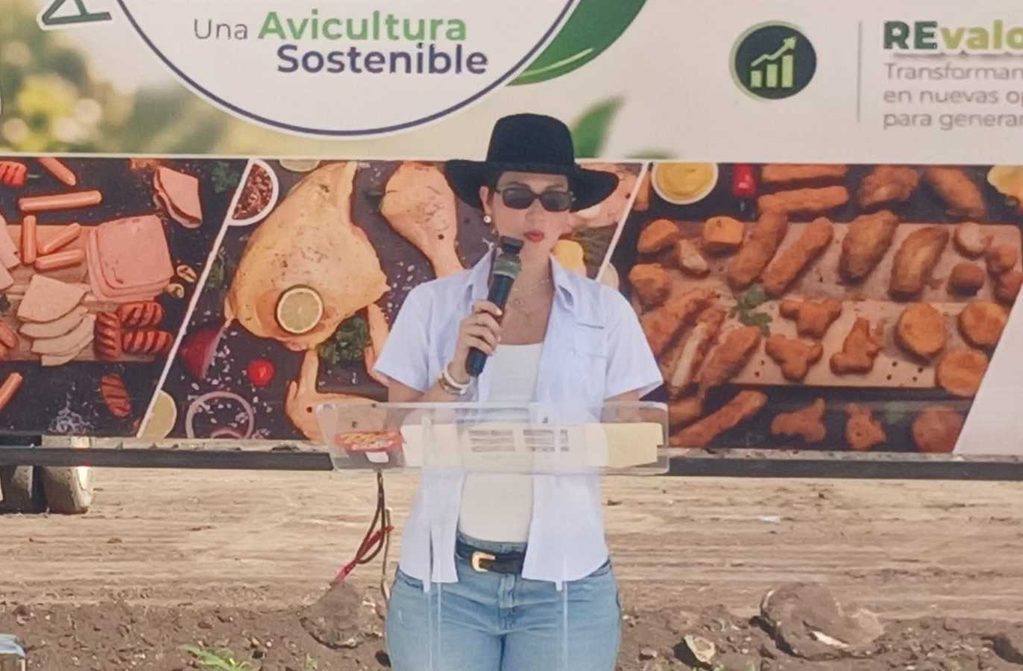
The project is part of a broader US$77.8 million investment program, which encompasses seven strategic initiatives to be developed over the next four years. These include the construction of new broiler facilities, a breeder farm to produce the company’s own fertile eggs, the expansion of the hatchery, and the modernization of the chicken processing plant, with plans to triple its installed capacity.
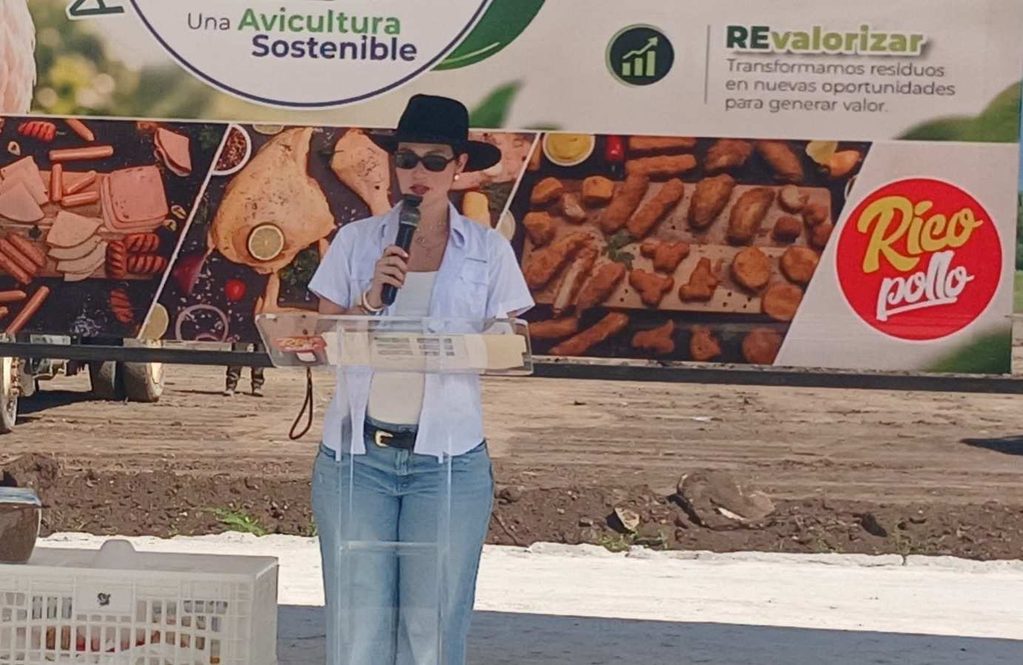
Additionally, the company intends to expand its animal feed plant to triple its production output, integrate new technologies into industrial processes, and develop energy generation projects. The plan also includes new broiler houses, further strengthening the integration of Avícola Campestre’s production chain.
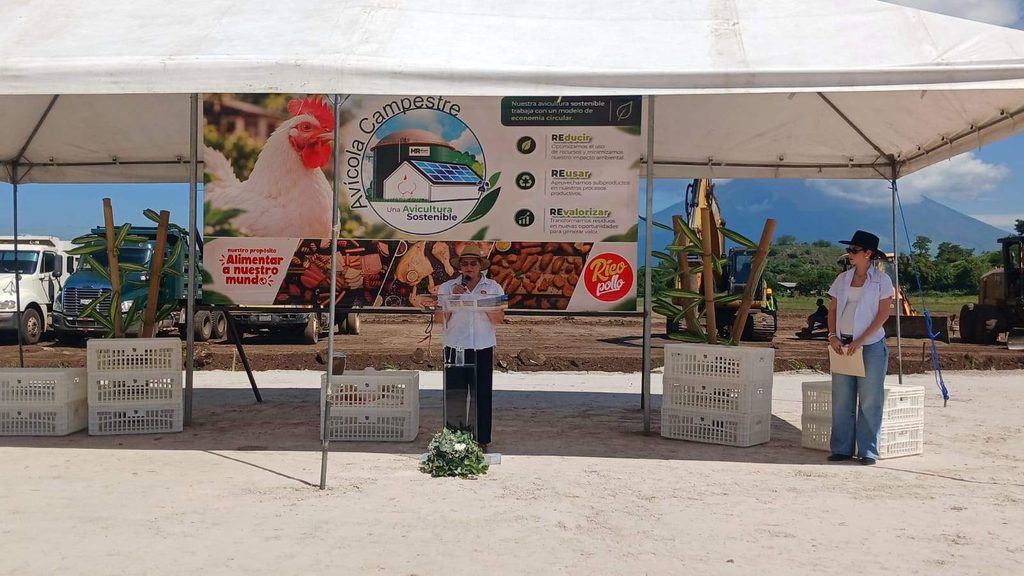
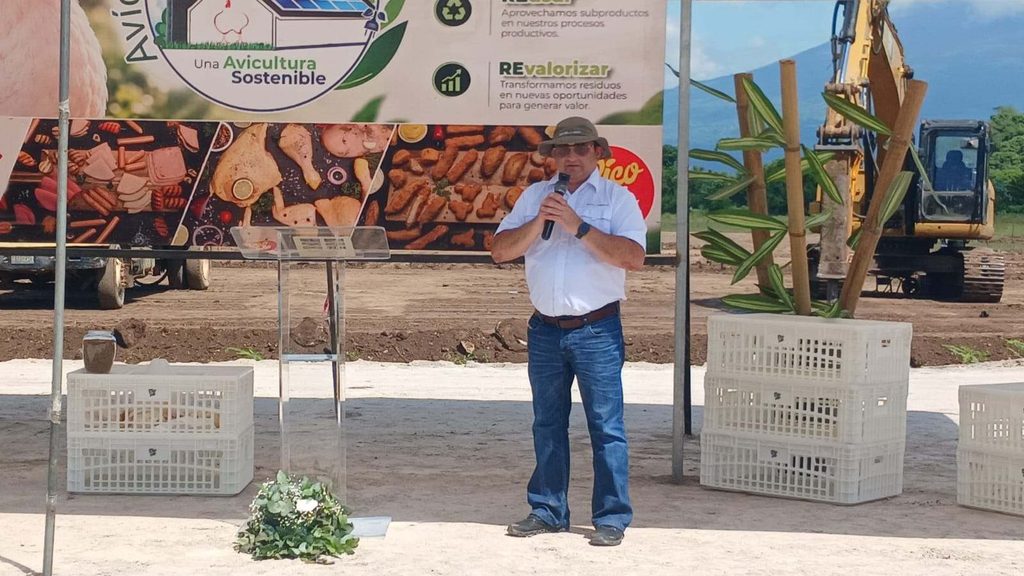
“Today, the investment we announced is becoming a reality. This is an important step for Avícola Campestre and Grupo Campestre, as it demonstrates our commitment to continued growth in El Salvador, modernizing our processes and creating new opportunities from San Miguel, the city where our poultry business was founded 27 years ago. We intend for this investment to translate into greater productivity, new jobs, and high-quality food for salvadoran families”, said Sergio Romero, Director of the Poultry and Energy Business Unit at Avícola Campestre.
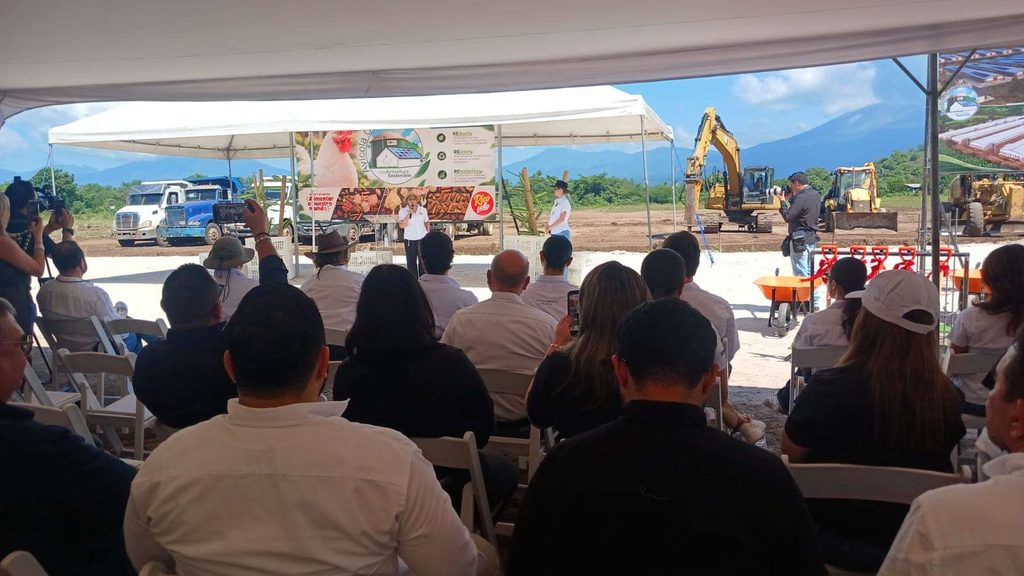
The execution of this plan also serves as an opportunity to boost the economy in the eastern part of the country by generating employment and contracting services related to construction, technology, and agro-industrial operations.
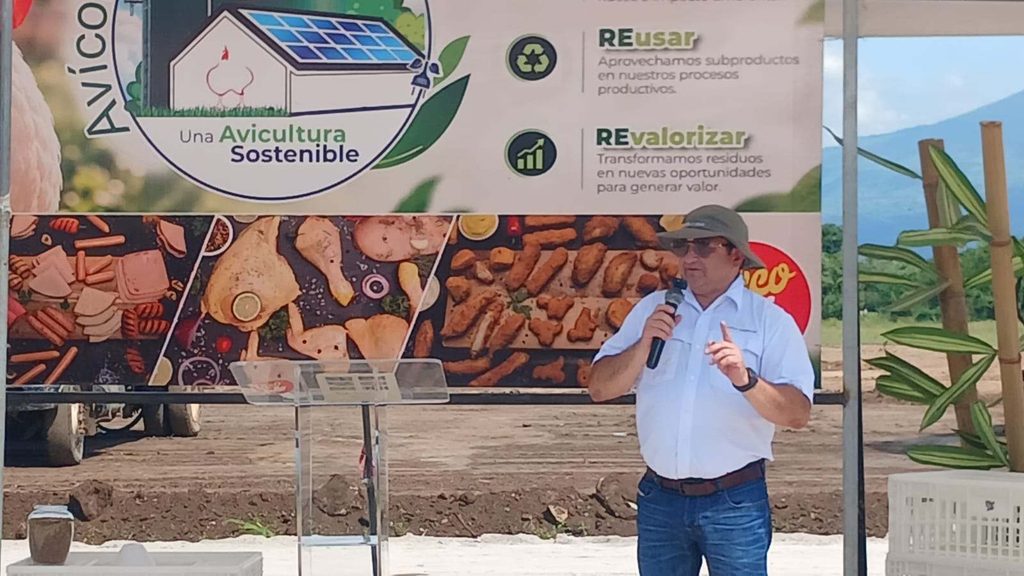
According to the company’s projections, more than 860 job opportunities will be created, comprising both permanent positions and roles linked to the execution of the projects, the construction phase of which will span approximately three years. The new operations will require specialized personnel, including agronomists, veterinarians, commercial professionals, and technicians, thereby contributing to the strengthening of human capital in San Miguel and other municipalities in the eastern region.
From its earliest stages, the project has been supported by the Secretariat of Commerce and Investments of the Presidency of the Republic, which has worked closely with Avícola Campestre to facilitate the development of its expansion initiative and help create the necessary conditions for its realization.
This effort subsequently enabled coordination with INVEST and the Ministry of Economy, incorporating the project into the mechanisms established by the Law for the Promotion of Investment Expansion. Under this framework, the company obtained the necessary certification to access the available incentives. This experience highlights the importance of coordinated public management, where early support for investors, inter-institutional collaboration, and economic policy instruments help transform business proposals into concrete investments, productive capacity, and new employment opportunities.
A sustainable project
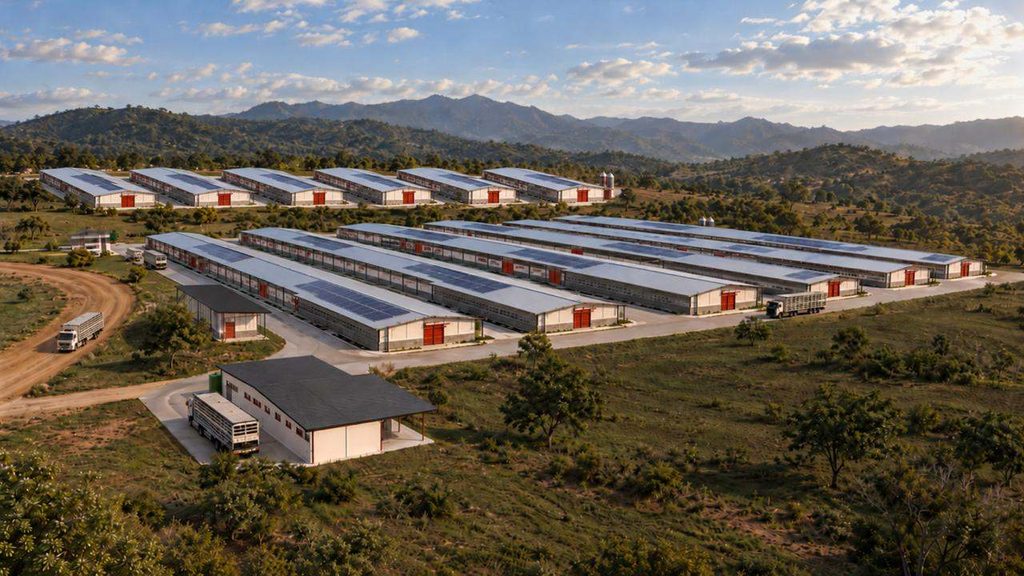
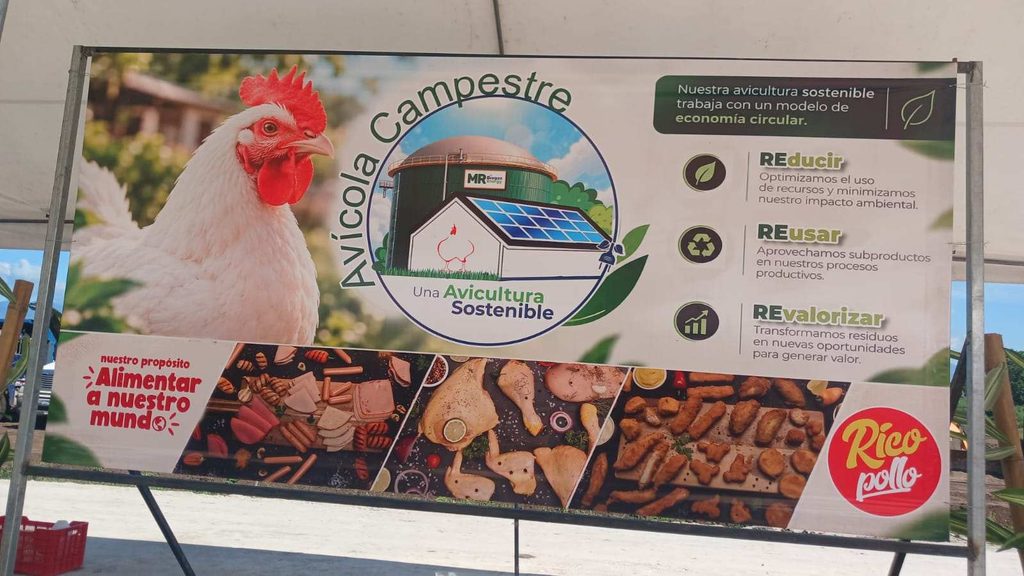
One of the most significant components of this expansion is the integration of circular economy solutions and renewable energy generation. The poultry operation is expected to generate approximately 7,300 tons of organic waste derived from processes at the Vado Marín farm which will be processed through a system of biodigesters to produce biogas, with an estimated output of 3,600 megawatt-hours of energy
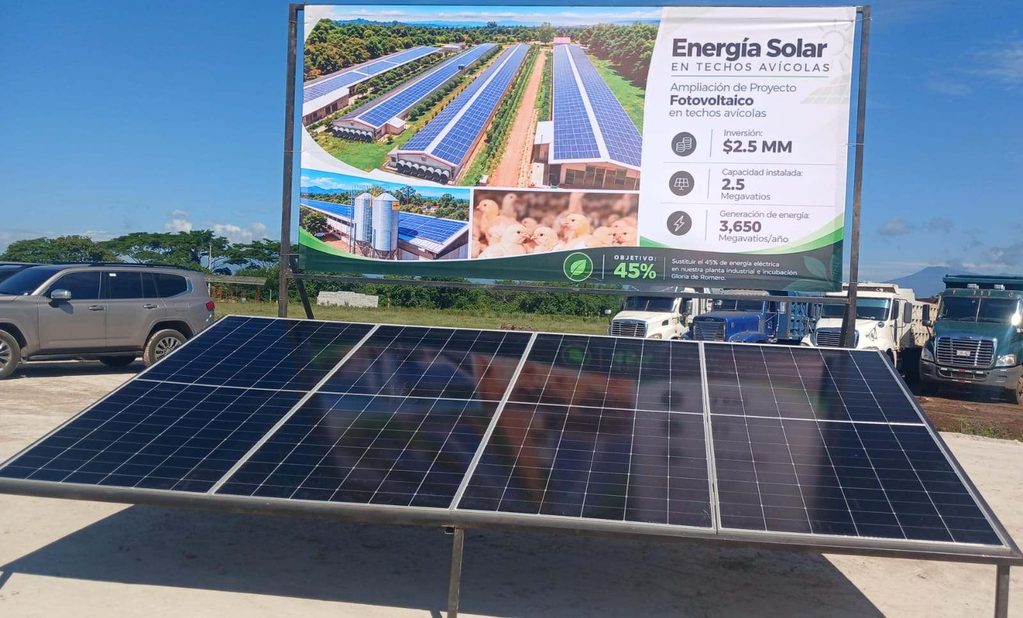
In addition, a photovoltaic energy project with a planned capacity of 2.5 megawatts for self-consumption will be implemented; this will be added to existing capacity, bringing the total to 4 megawatts for use by the company. Both technologies seek to leverage available resources, reduce reliance on conventional energy sources, and improve the environmental efficiency of operations, alongside the implementation of modern biosecurity processes and responsible waste management.
The growth of Avícola Campestre will also help strengthen the supply of poultry products in the Salvadoran market and support the operations of the Pollo Campestre restaurant chain, which is part of the same business group. The modernization of its incubation, processing, and animal feed production facilities aims to consolidate an integrated operating model capable of increasing production volumes, optimizing resources, and maintaining quality standards.
“Our vision is to become a benchmark for agro-industrial innovation in Central America. It is not just about producing more, but about producing better, through technology, energy efficiency, and responsible processes”, said Sergio Romero.
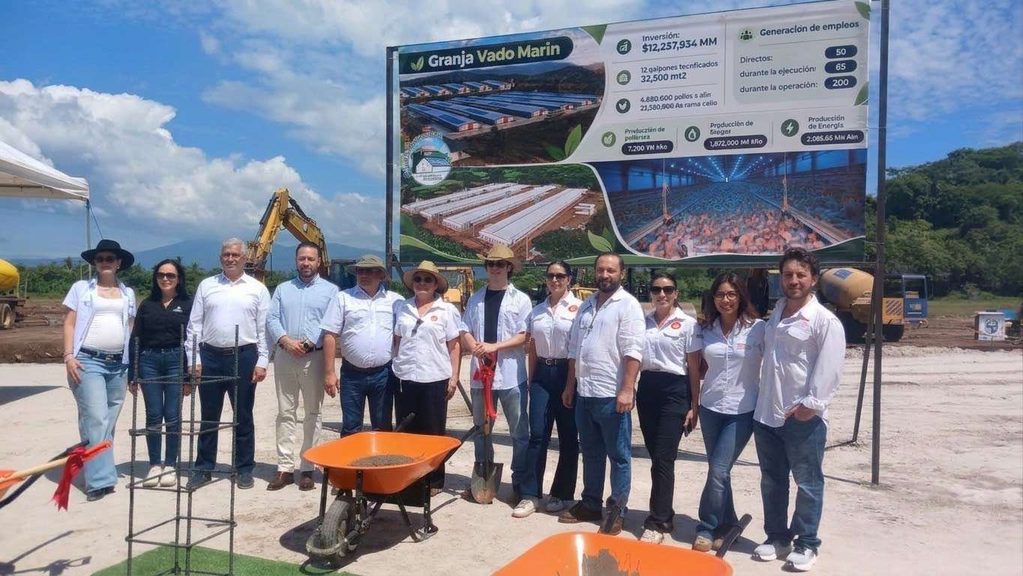
With this groundbreaking, Avícola Campestre begins a new phase of business growth that combines domestic investment, technological innovation, sustainability, and job creation.
You may also want to read: