

 dinero_admin
The Government of El Salvador is set to secure up to $50 million in financing from the Inter-American Development Bank (IDB) to improve the quality of the country’s economic statistics and strengthen the technical and technological capabilities of the Banco Central de Reserva (BCR). The initiative aims to modernize the collection of data on productive and commercial activities, as well as to update the information that serves as a foundation for economic planning and the formulation of public policy.
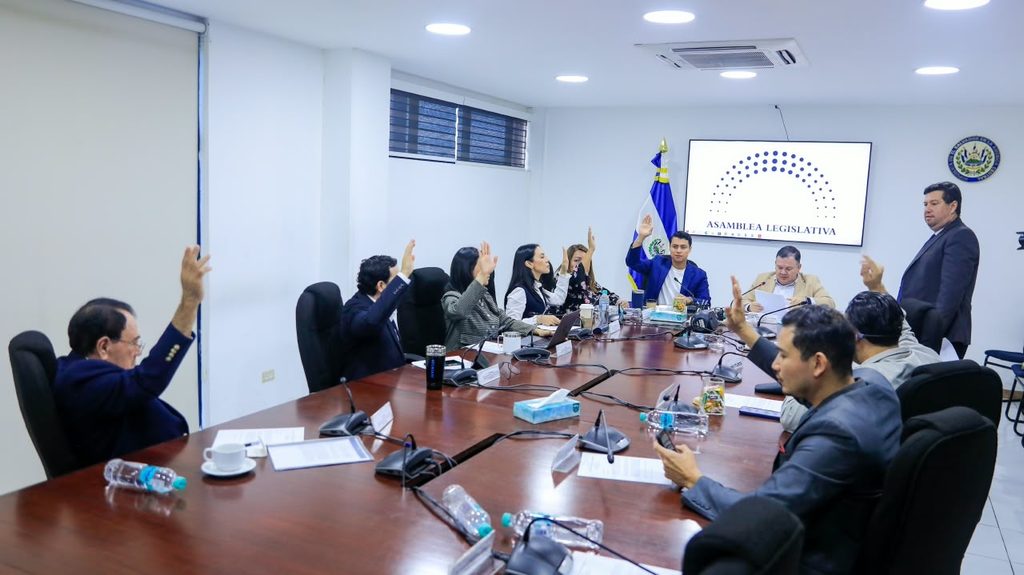
The Finance Committee of the Legislative Assembly has issued a favorable opinion to approve in a second legislative round, the loan agreement between the Ministry of Finance and the IDB. These funds are part of a program focused on strengthening economic statistics. The financing agreement was signed on october 26, 2026, and will facilitate the development of various projects designed to improve official statistical data.
During the review of the proposal, Natalia Huezo, head of the Investment Management Division at the Ministry of Finance, explained that the program seeks to provide more comprehensive and up-to-date information on El Salvador’s economic reality. The Banco Central de Reserva (BCR) will be responsible for executing the funds, as it is the institution tasked with overseeing the Sistema Estadístico Nacional.
A key expected outcome of this financing is the execution of the 8th Economic Census, a tool that will provide insight into the characteristics and scale of economic activities taking place in El Salvador. This study is particularly significant given that the last census of this kind was conducted in 2005; consequently, an update is long overdue after more than two decades.
A notable feature of the new census is the inclusion of the informal sector, a step that, as noted during the project’s review, would be the first of its kind in the region. This will broaden the understanding of economic activities that are not necessarily captured within formal frameworks, providing a more complete picture of the nation’s productive landscape.
The program also includes the development of the 2026 Economic Cartography, which will identify and geographically record establishments where economic activities take place, such as businesses, shopping centers, and other premises. Data collection will cover all 14 departments, 44 municipalities, and 262 districts within El Salvador.
In addition to updating economic records, the US$50 million will be used to strengthen the BCR technological infrastructure, modernizing the processes for collecting and generating statistics. Planned initiatives include the implementation of a digital system, as well as improvements to the management of IT networks and the institution’s cybersecurity mechanisms.
The project also encompasses training and technical assistance for staff responsible for conducting surveys and censuses, with the goal of updating their working methods and enhancing the quality of the data collected. These tools are intended to provide more reliable, timely, and accessible statistics, which will help improve the understanding of the salvadoran economy and support decision-making by the authorities.
You may also want to read: