

 dinero_admin
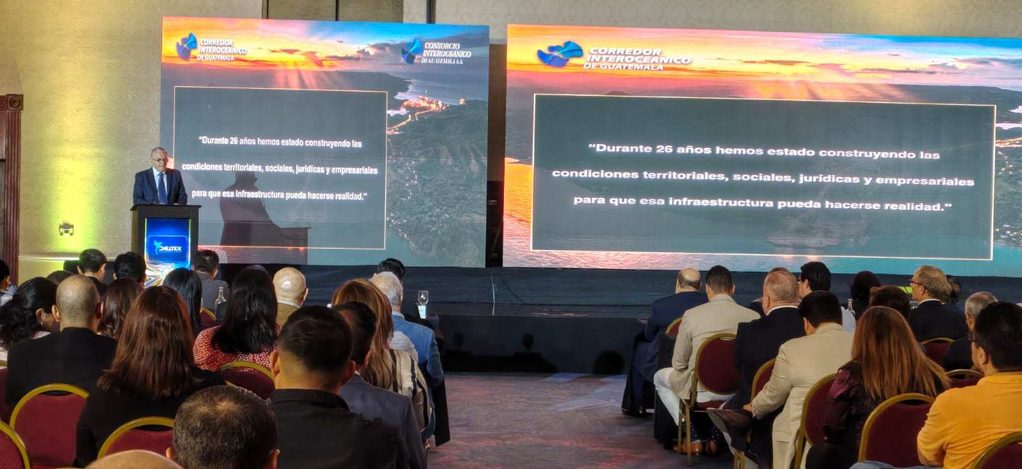
Before connecting two oceans, the Interoceanic Corridor of Guatemala and El Salvador must unify the land upon which its infrastructure will be developed and fulfill its existing commitments to reach a “shovel-ready” status. Within this phase, the project introduces COINGT, a regulated digital asset and a regional pioneer in the “Real World Assets” (RWA) category, designed to broaden the participation of both local and international investors. This financial instrument will be a key focus of a business gathering scheduled for november 13 in San Salvador.
The Consorcio Interoceánico de Guatemala, S. A. (CIGSA) and Grupo Odepal de El Salvador, SA de CV (GODES), will present the features of this instrument, which utilizes blockchain technology to provide access to economic rights linked to the corridor through tokenization. The proposal offers the salvadoran market a way to participate in one of the first and largest digital finance initiatives applied to critical infrastructure in Central America. The public offering is structured in tranches, with the first tranche, valued at US$38.52 million, now available on the market.
Funds from the first tranche of COINGT are earmarked for a specific purpose: to support the registration, land assembly, and valuation of the 372-kilometer continuous land strip where the interoceanic corridor will be developed and operated.
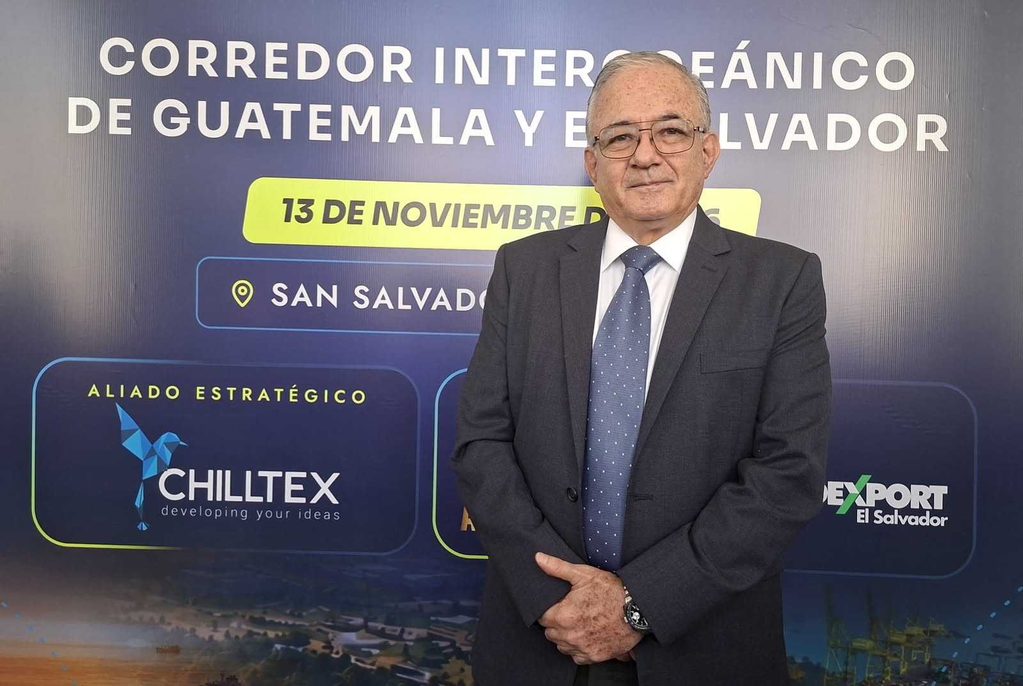
“Before we can move cargo from ocean to ocean, we must consolidate the territorial strip upon which the continent’s logistics future will be built. CLI San Jorge represents a strategic space for the salvadoran business community to extend its operations toward the Atlantic with maximum efficiency. We are banking on the new opportunities offered by tokenization and on El Salvador’s robust regulatory framework”, Guillermo Catalán, President of the Consorcio Interoceánico de Guatemala, S. A. (CIGSA).
This clarification helps to gauge the scope of the instrument. According to the documentation for the public offering, COINGT represents 7.6612% of the future profits of the Interoceanic Corridor. Its issuance is intended to fund a portion of the development process, not the entirety of the planned infrastructure, which will be financed through other stages of the business model.
An investment in land consolidation under a digital regulatory framework
COINGT represents economic rights to shares, and its issuance is governed by El Salvador’s Digital Assets Issuance Law. The public offering is registered with the Comisión Nacional de Activos Digitales (CNAD) under registration number AD-008. The issuer is Grupo ODEPAL de El Salvador, S. A. de C. V. (GODES).
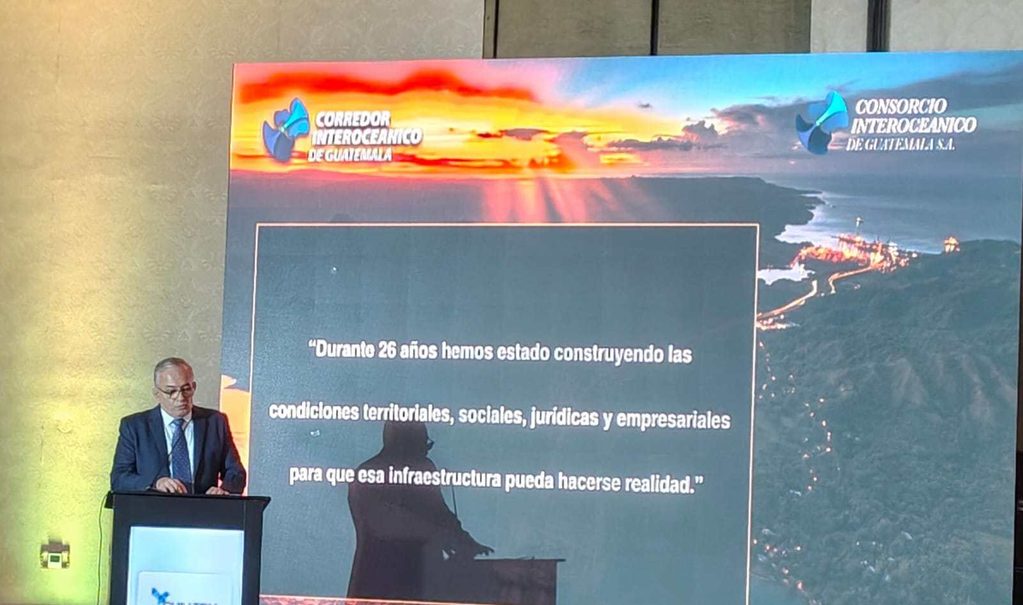
Tokenization allows these economic rights to be divided into digital units, utilizing blockchain technology to ensure registration, transparency, and immutable traceability. Through this mechanism, the promoters aim to broaden the base of domestic and international participants in a large-scale infrastructure project—a venture that sets a financial precedent in Latin America.
During the meeting on november 13, the business community will have the opportunity to learn about the asset’s features, its advantages under Salvadoran law, and its permanent link to the interoceanic development project. This event is supported by the Asociación Salvadoreña de Industriales (ASI), Corporación de Exportadores de El Salvador (COEXPORT), Cámara de Comercio e Industria de El Salvador (Camarasal) which serves as the primary marketer or PSAD, CHILLTEX CAPITAL.
CLI San Jorge: The business dimension of the meeting
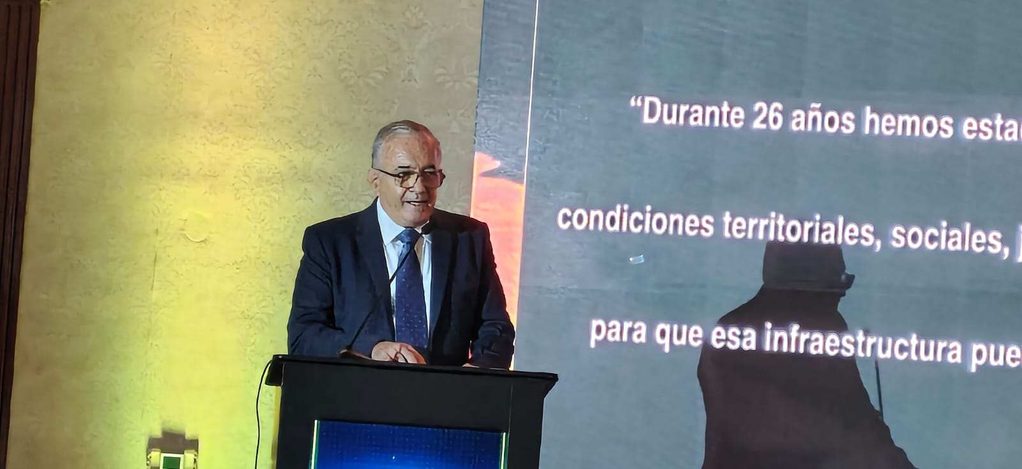
The agenda will also feature a presentation on the Centro Logístico Internacional San Jorge (CLI San Jorge), a key economic component of the corridor. It will be developed in Puerto Barrios, Izabal, spanning approximately 21 square kilometers of private land facing the Guatemalan Caribbean.
The development plan includes port terminals, a cargo airport, industrial parks, warehouses, and areas for commercial and service-oriented activities. For Salvadoran companies, this proposal creates opportunities to establish industrial, storage, and service operations linked to international trade.

The corridor encompasses a 372-kilometer logistics strip stretching between the Atlantic and Pacific coasts, incorporating port cities, a freight railway, highways, energy infrastructure, and logistics hubs.
The event in San Salvador will bring together two avenues for participation linked to a single project: financial-digital investment via COINGT, and the future development of commercial and industrial operations at CLI San Jorge. The digital asset will take center stage in this discussion, with a proposal whose financial purpose is tied to a specific phase of the corridor, positioning the region at the forefront of the global digital economy.
You can also read: