

 dinero_admin
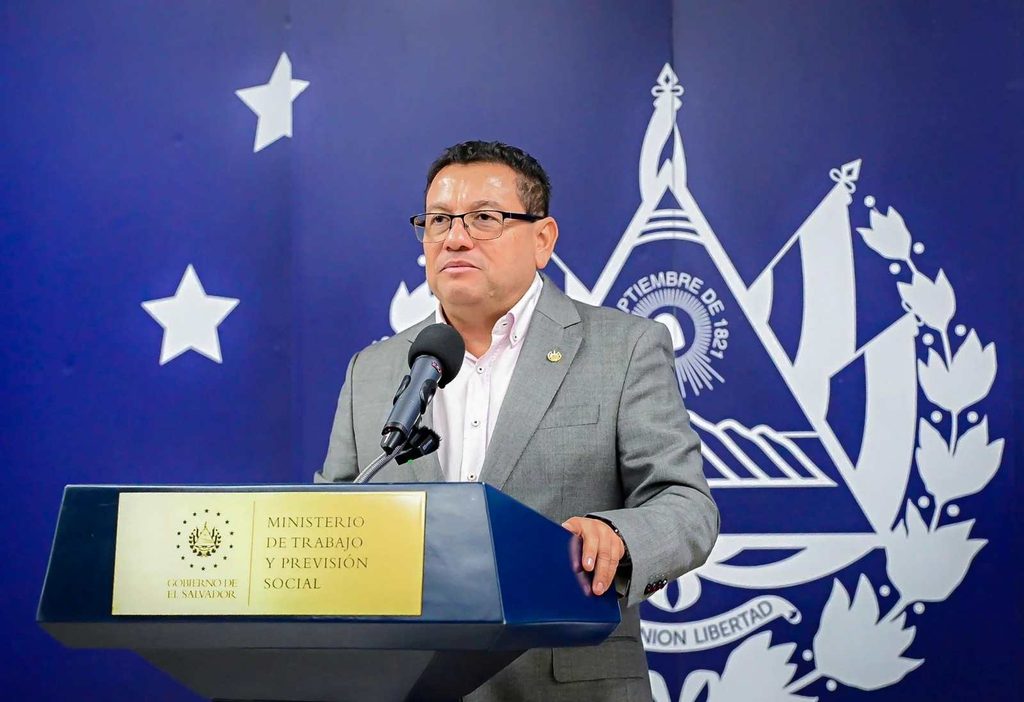
On november 18, the Ministry of Labor will present the Premio Nacional al Trabajo Decente 2026 to more than 80 companies and institutions recognized for implementing sound labor practices and complying with both national and international legislation. The announcement was made by the head of the institution, Rolando Castro, who explained that this recognition aims to highlight employers who promote appropriate working conditions for their staff.
The minister noted that the award is not limited to private-sector companies; it is also open to institutions and other employers who demonstrate a commitment to respecting labor rights. The initiative seeks to acknowledge those who maintain responsible practices and contribute to creating dignified work environments.
For the first time, this edition will include the participation of Eliel Hasson, director of the International Labour Organization (ILO) Office for Central America, Panama, and the Dominican Republic, who will attend the awards ceremony. Castro emphasized that this involvement reflects the coordinated efforts between the salvadoran government and the international organization regarding labor matters.
The official also linked this recognition to progress made in the process that allowed El Salvador to be removed from the ILO’s “shortlist” (a list of countries under scrutiny for labor issues). He explained that this outcome is the result of the State’s gradual efforts to address the demands of the working class and strengthen compliance with labor rights, in coordination with the international organization.
During his remarks, Castro also discussed the results of the “Nighttime Labor Justice Plan”, an initiative designed to ensure that employers comply with legal provisions applicable to those who work at night. According to data from the Ministry of Labor, slightly more than 20% of the country’s productive sector operates during nighttime hours; consequently, the institution carries out ongoing oversight through inspections.
One of the aspects verified by the plan is the correct payment of the night-shift premium, which, as established by labor legislation, amounts to 25%. The minister explained that when an individual works four hours during the night shift, they must receive the full premium; conversely, if they work for a shorter duration, the payment must be calculated on a proportional basis.
Castro noted that inspections have uncovered instances where this benefit is incorrectly calculated or unpaid, alongside irregularities regarding overtime compensation. Consequently, he affirmed that the Ministry continues its oversight efforts to ensure that workers receive the remuneration to which they are legally entitled.
Finally, the Minister of Labor said that the institution aims to strike a balance between enforcing labor obligations and recognizing employers who implement good practices. He emphasized that the Ministry should not be viewed solely as a regulatory body that imposes sanctions, but also as an institution that highlights the efforts of private companies and public entities committed to promoting decent work.
You may also read: