

 dinero_admin
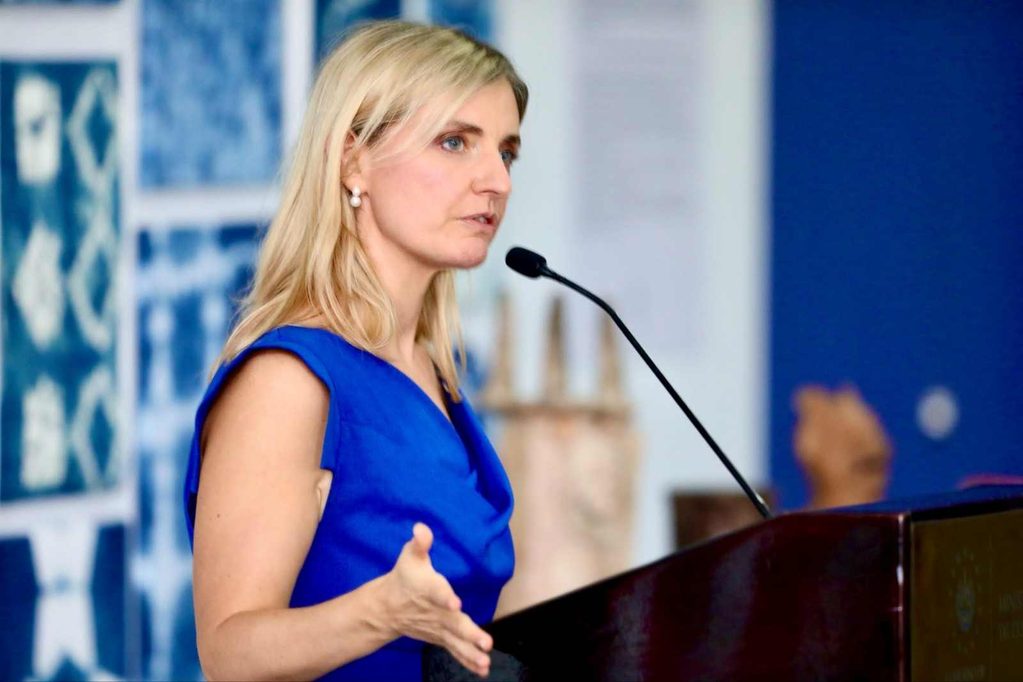
The U.S. Embassy in El Salvador announced the awarding of a US$100,000 grant to the Ministry of Culture to strengthen the protection of El Salvador’s archaeological heritage through the digitization and cataloging of nearly 7,000 artifacts from the National Archaeological Collection. The funds are intended to help improve the record-keeping of these cultural assets and reinforce efforts to combat the illicit trafficking of historical heritage.
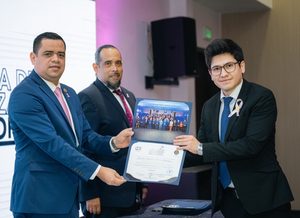
The grant was presented by U.S. deputy assistant secretary Sarah Rogers to the Ministry of Culture as part of the cooperation between the two countries on heritage protection. The funding will enable progress in the organized cataloging of thousands of archaeological artifacts through processes that facilitate their identification, documentation, and access, with the aim of strengthening their preservation and helping to prevent their illegal trade.
Digitization involves creating electronic records of cultural property, while cataloging allows each artifact to be documented and classified with information that facilitates its identification. These processes are essential for institutions responsible for preserving heritage, as they help organize inventories and improve oversight of the collections under their care.
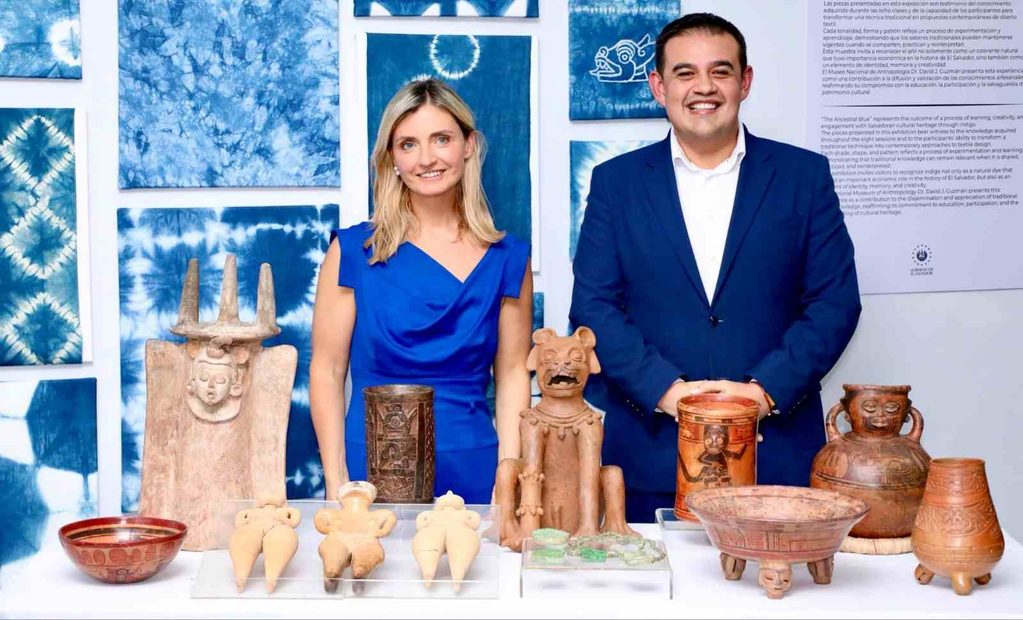
The project will cover nearly 7,000 artifacts from the National Archaeological Collection, so the grant provides support for expanding the tools used to document El Salvador’s cultural heritage. Having organized records can facilitate the tracking of objects, support research and conservation efforts, and help authorities identify artifacts that may have been stolen or are being traded illegally.
One of the initiative’s objectives is to help combat the illicit trafficking of archaeological artifacts, an activity that can lead to the loss of historical artifacts and sever objects from their cultural context. When artifacts are illegally excavated or traded, it also becomes more difficult to reconstruct information about the societies that created and used them. Therefore, improving their documentation serves as a tool to support heritage protection efforts.
According to the U.S. Embassy, this assistance is part of the Memorandum of Understanding for the Protection of Cultural Heritage between the United States and El Salvador, a mechanism that has sustained cultural cooperation between the two nations for more than 30 years. This agreement serves as a framework for promoting initiatives aimed at preserving cultural property and strengthening joint efforts against its illicit trafficking.
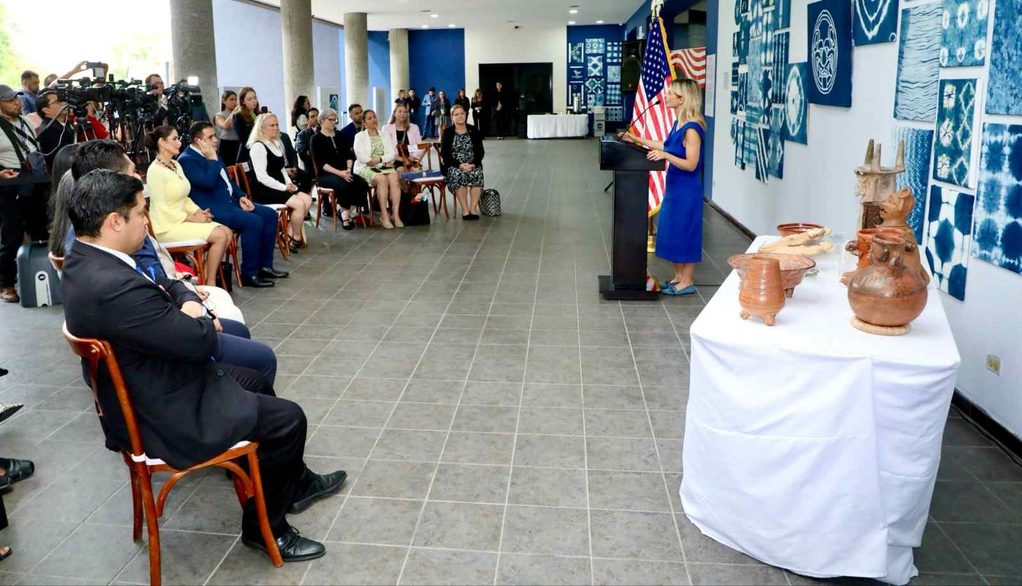
The $100,000 grant will support specialized work to inventory and organize the national archaeological collection, with an emphasis on digitizing and cataloging thousands of artifacts. In addition to facilitating information management, these tools can help improve conservation conditions and strengthen institutional capacity to protect the country’s historical heritage.
With this contribution, the United States and El Salvador continue their collaboration in preserving cultural heritage through actions aimed at safeguarding archaeological artifacts and reducing the risks associated with their loss or illegal trade. The project emphasizes documentation as a tool for protecting El Salvador’s historical memory and facilitating the management of national collections.
You may also read: