


 A. M.
A. M. 
El Salvador’s port system is moving toward a historic transformation. One year after the start of joint operations between the Comisión Ejecutiva Portuaria Autónoma (CEPA) and Yilport Holding Inc., the Pacific Port Unión Portuaria del Pacífico presented the results achieved during the initial phase of modernization at the ports of Acajutla and La Unión.

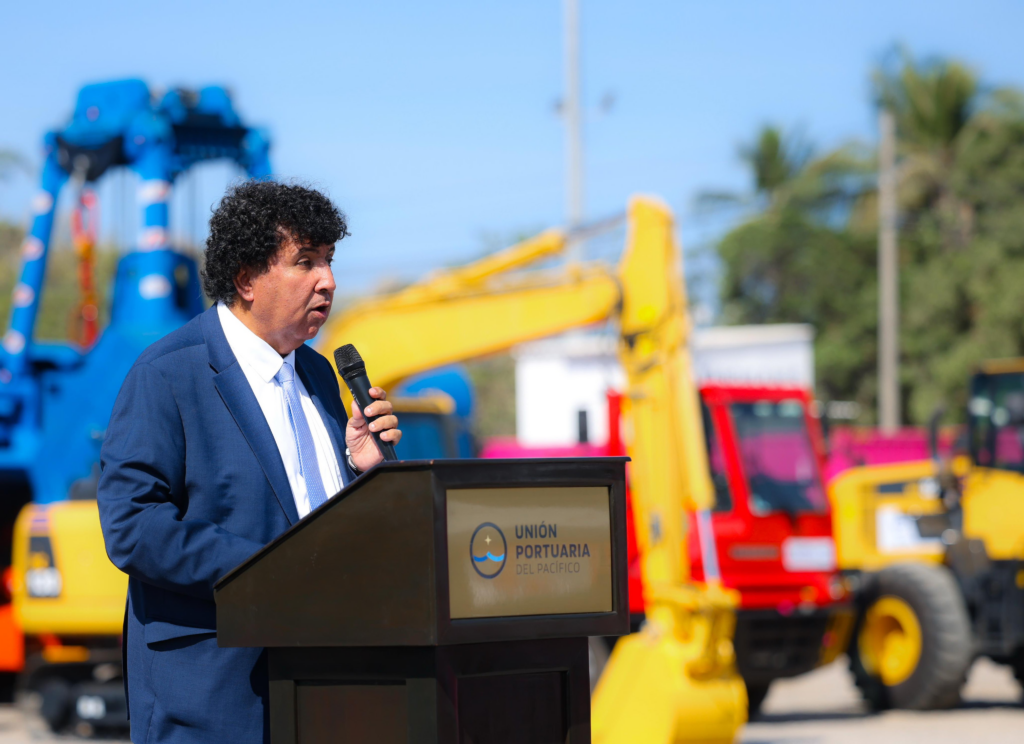
According to Luis Canto, general manager of the Unión Portuaria del Pacífico, US$52 million has been invested in the first year. These funds have been used to modernize infrastructure, acquire new equipment, strengthen operational capacity, and reactivate the Port of La Unión. This investment is part of Phase 0 of the project, aimed at streamlining the entry and exit of goods and improving logistical efficiency.
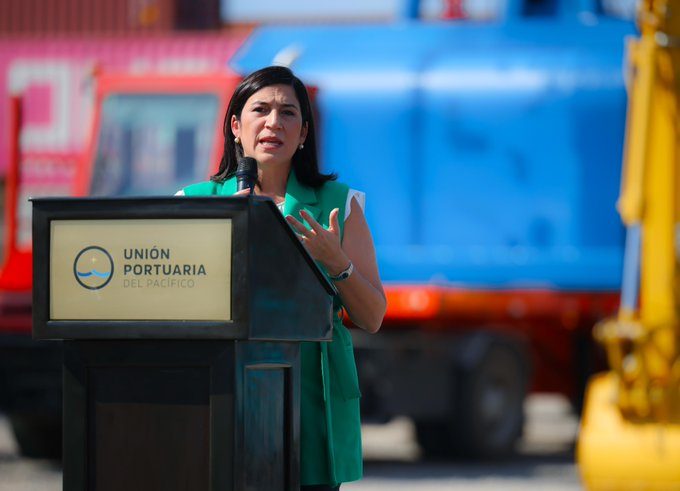
These improvements are part of a strategic modernization plan exceeding US$1.615 billion, described by Economy minister María Luisa Hayem as the largest port investment in the country’s history. The minister highlighted that, in just one year, the changes are already generating tangible impacts for Salvadoran and Central American companies, thanks to reduced wait times, the implementation of 24/7 services, and technological modernization.



Key advancements also include over 20,000 hours of staff training, the incorporation of high-capacity equipment, and the upcoming implementation of the Navis N4 system, one of the most advanced cargo management software programs worldwide.
User companies, such as La Constancia, report immediate benefits, especially in reduced waiting times and increased operational efficiency.

CEPA President Federico Anliker emphasized that the modernization aligns with President Nayib Bukele’s vision of making ports and airports key drivers of economic development, attracting investment and strengthening foreign trade.
The Puerto de La Unión stressed that the progress achieved is based on four strategic pillars: Yilport’s technical expertise, salvadoran talent, investment in infrastructure and technology, and the implementation of cutting-edge digital systems.
With this process, El Salvador is on track to position itself as a regional logistics leader and strengthen its competitiveness in international trade.
You can also read: