

 A. M.
A. M. 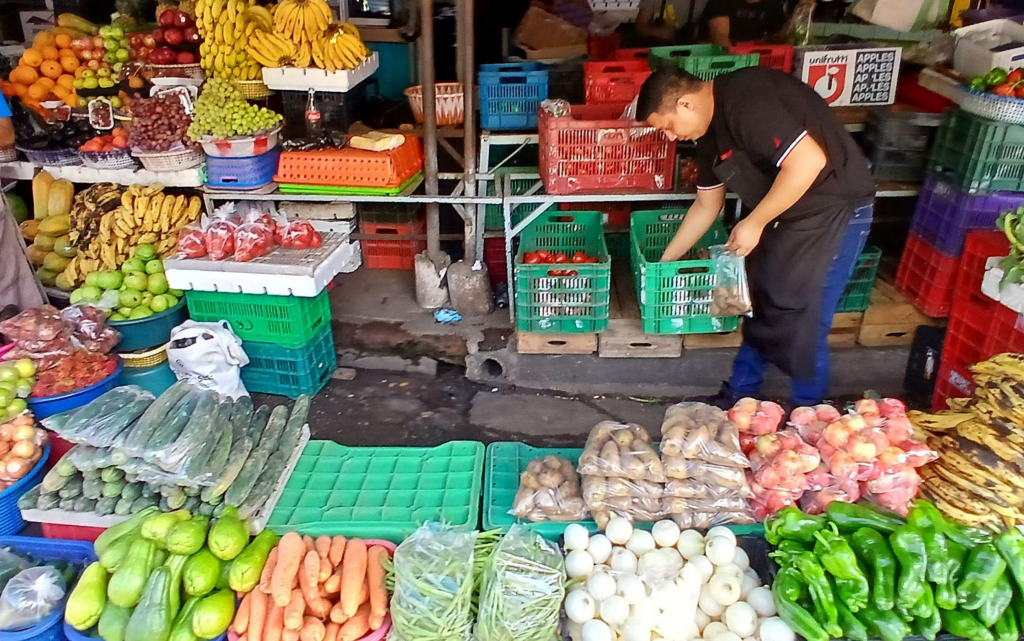
In december 2025, prices for food and non-alcoholic beverages fell by 0.70% month-on-month, becoming the main factor driving overall deflation in the country and providing temporary relief for Salvadoran households, according to data from the Banco Central de Reserva (BCR).
Food leads the decline in prices in december
The Food and Non-Alcoholic Beverages group recorded the largest monthly reduction among the divisions of the Índice de Precios al Consumidor (IPC), with a negative impact of -0.22 percentage points on overall inflation for the month.
This behavior was decisive in the overall CPI closing december with deflation of -0.39%, reversing the increase recorded in november 2025 and showing a moderation in the prices of basic consumer products.
Why did food prices fall?
1) Increased supply of agricultural products
The reduction in food prices is usually associated with seasonal factors linked to local agricultural supply. During december, the increased availability of fresh produce such as grains, vegetables, and other staple foods contributed to downward pressure on prices.
2) Adjustments in commodity prices
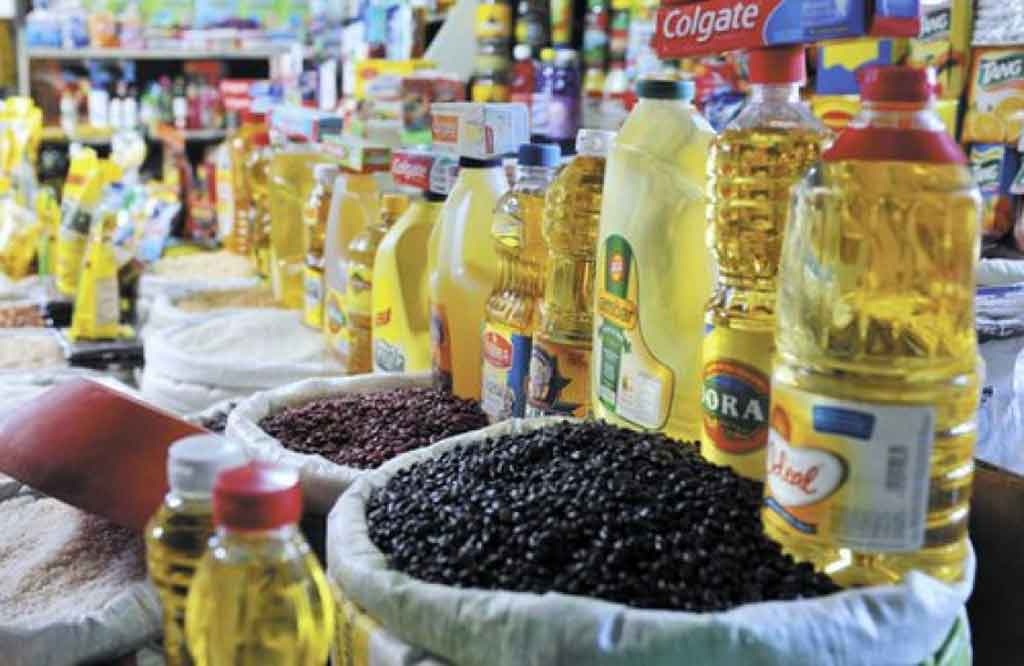
Within the food group, the food subgroup recorded a monthly variation of -0.81%, while non-alcoholic beverages showed a slight increase of 0.21%, confirming that the decline was mainly concentrated in food products.
3) Market effects and commercial competition
Competition between retail chains, municipal markets, and wholesale suppliers also contributed to lower prices, especially for fast-moving products in the basic basket. In addition, factors such as imports, logistics, and adjustments in production costs influenced the downward trend.
Direct impact on household spending
The 0.70% reduction in food prices represents immediate relief for households, as this item is one of the largest components of household spending.
A drop in food prices means:
Less pressure on household monthly budgets.
Greater purchasing power for basic products.
Possible reallocation of spending to other goods and services.
However, analysts warn that this relief could be temporary, as food prices tend to be volatile and sensitive to climatic, international, and local supply factors.
Comparison with other IPC items
In addition to food, other groups also recorded declines in december, albeit to a lesser extent:
Transportation: -1.17%
Recreation and culture: -0.67%
Communications: -0.29%
Housing, water, electricity, and gas: -0.15%
Furniture and household goods: -0.31%
However, the food category was one of the categories that had the greatest impact on deflation for the month, given its weighting within the IPC basket.
The 0.70% drop in food prices in december 2025 was one of the main factors driving monthly deflation and providing temporary relief to salvadoran household spending. However, volatility in this sector and external pressures could cause further variations in the coming months, meaning that food prices will continue to be key to the country’s inflationary dynamics, according to the Banco Central de Reserva (BCR).
You can also read: