

 dinero_admin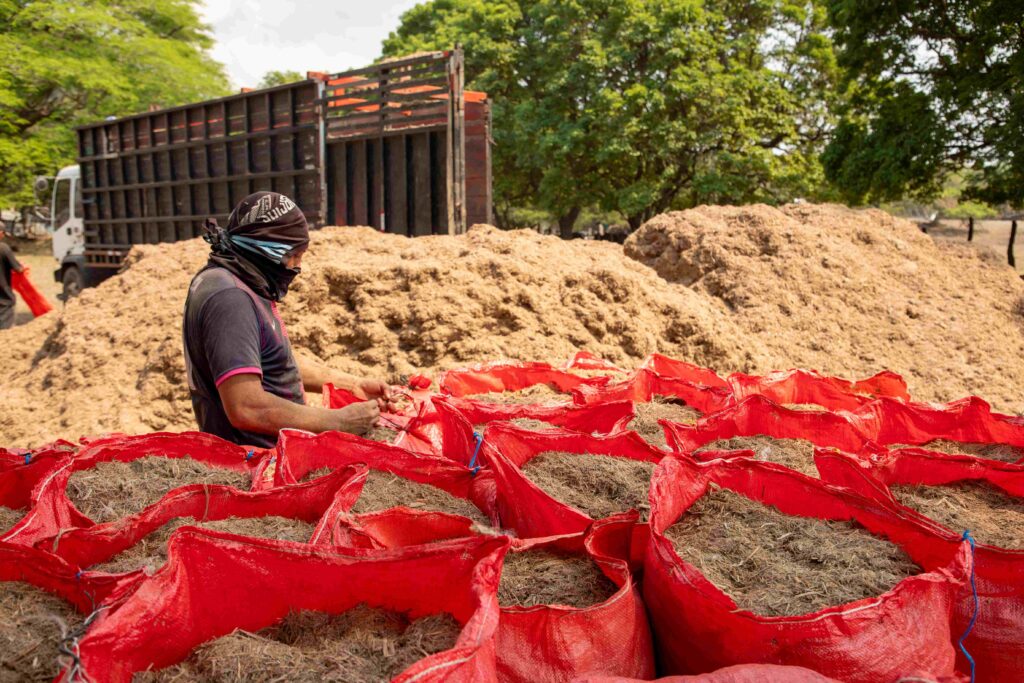
As part of its efforts to provide timely support to the livestock sector in the face of adverse weather conditions affecting pasture and other feed production, the Ministerio de Agricultura y Ganadería (MAG) coordinated the delivery of sugarcane bagasse to producers from various farms in the eastern part of the country.
Livestock farmers in the districts of Pasaquina, Bolívar, and El Sauce, in the department of La Unión, received the feed support over the weekend, intended to strengthen the nutrition of their cattle and contribute to the sustainability of their herds.
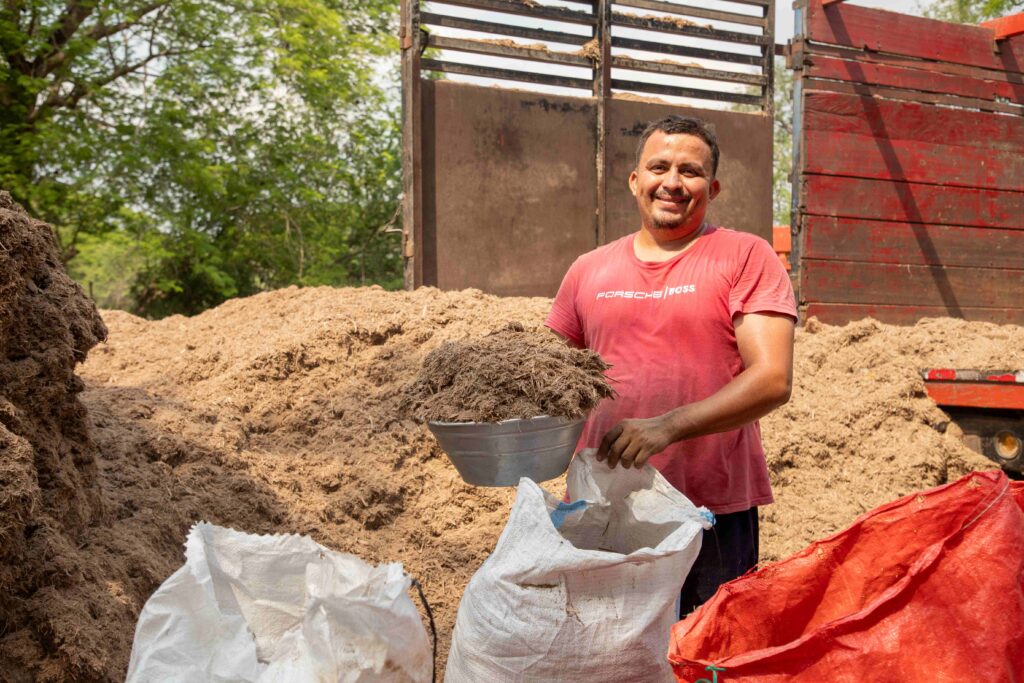
The sugarcane bagasse can be supplemented with balanced concentrate, mineral salts, water, and molasses, making it a nutritional alternative for maintaining livestock in good condition.
Kevin Álvarez, a livestock farmer from the hamlet of Los Camotes, in the district of Pasaquina, emphasized the importance of this support provided by the MAG, as his 22 head of cattle will now have a portion of their daily feed.
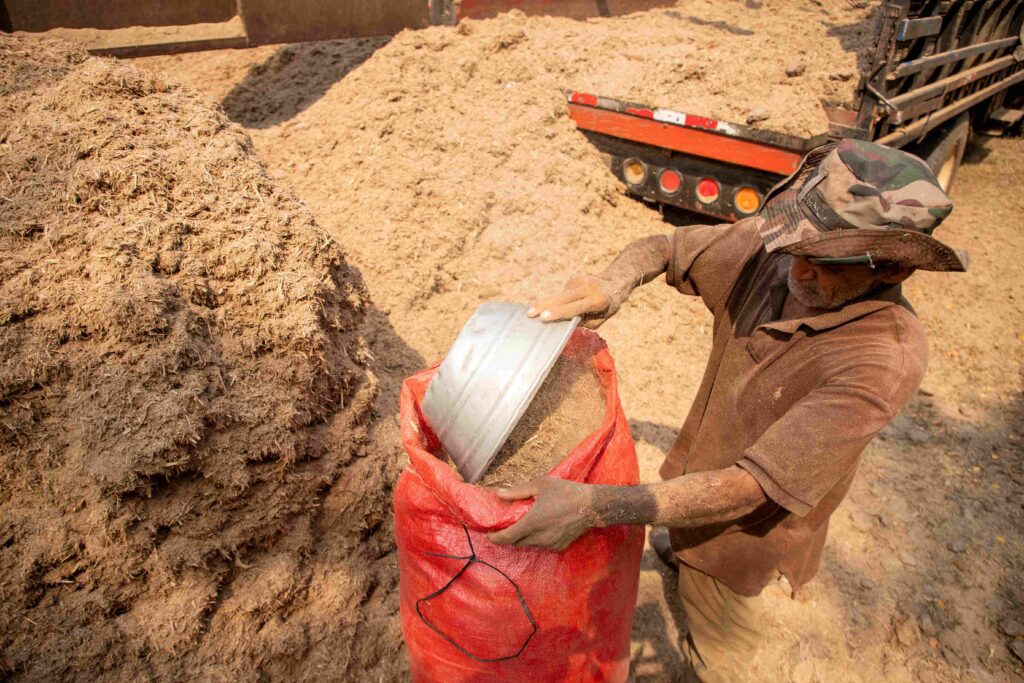
“It’s a relief for our wallets and a benefit for our animals, since the cost of ground forage is sky-high. With what they’re delivering now, we only must buy flour and molasses, and what we save will go towards our other crops”, said Álvarez.
The feed distribution is part of a comprehensive strategy implemented by the Ministerio de Agricultura y Ganadería (MAG) to support the national livestock sector and prevent more serious problems caused by weather conditions. Among the complementary actions carried out by MAG are campaigns to administer dewormers, vitamins, and vitamin-enriched serums to strengthen animal health.
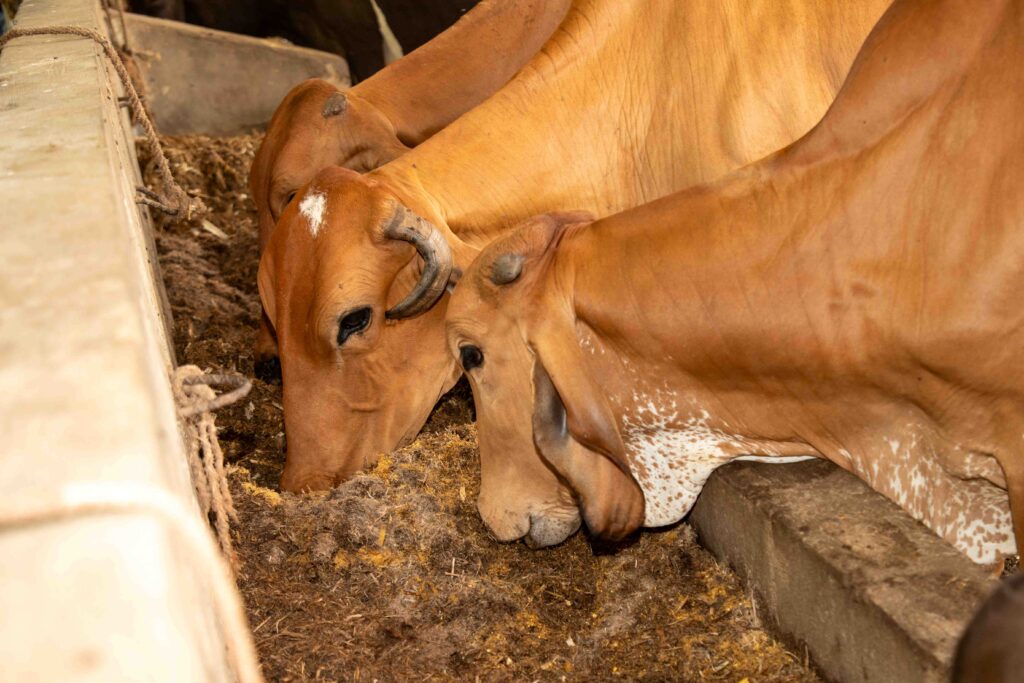
MAG veterinarian Noel Omar Cañas explained that serological tests are also being conducted for the timely detection of diseases affecting livestock. “We are developing tests to detect diseases such as clostridial infections, anthrax, tuberculosis, and brucellosis, among others, with the goal of protecting the health of the national livestock herd”, he said.
With these actions, the Ministerio de Agricultura y Ganadería guarantees support for the livestock sector, the good health of the animals, and minimizes the economic impact on the sector, Cañas emphasized.
You can also read: