dinero_admin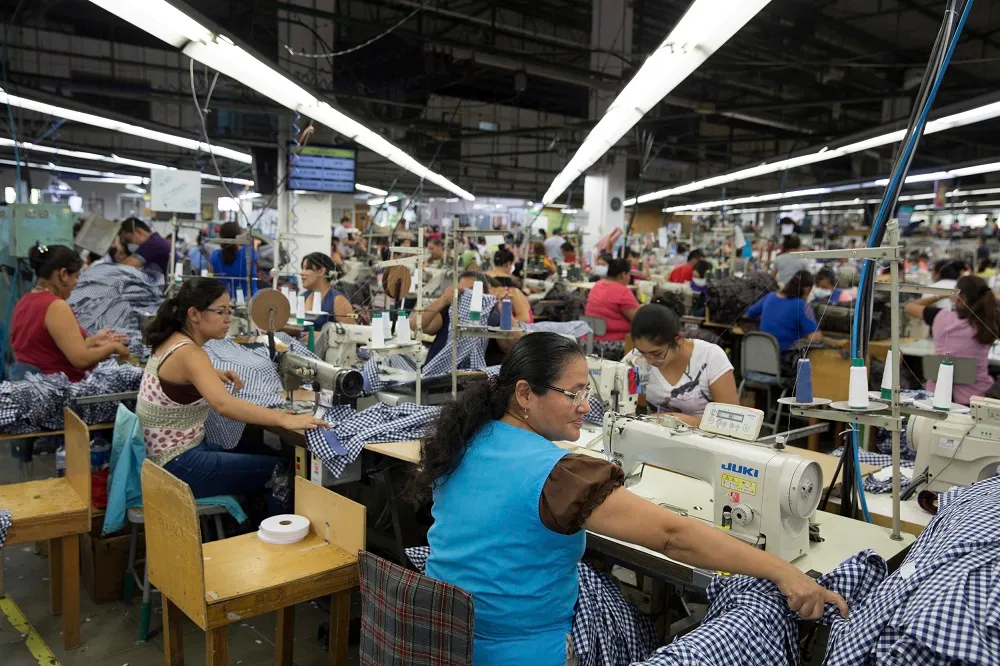
The salvadoran textile and apparel sector will maintain zero tariffs on its exports to the United States, despite the new trade regulations recently announced by the U.S. government.
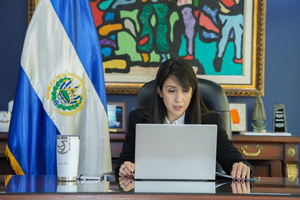
This was explained by Silvia Cuéllar, president of the Corporación de Exportadores de El Salvador (COEXPORT), who detailed that the current regulations establish a general tariff of 10% for most countries, but maintain key exclusions for El Salvador.
Textiles and apparel excluded from the 10% tariff
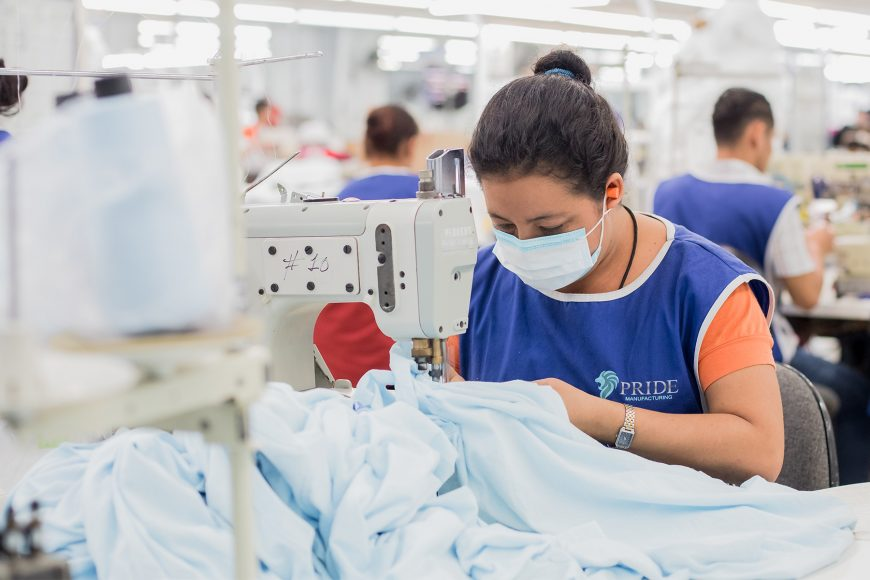
Cuéllar said that, under the new regulations, textile and apparel products covered by the CAFTA-DR free trade agreement continue to enter the U.S. market with zero tariffs.
This point is strategic for the country, as the sector represents approximately 80% of salvadoran exports to the United States, totaling around US$2 billion annually.
“Currently, it’s 10%, with the exclusions. Textiles and apparel are exempt from tariffs”, she said.
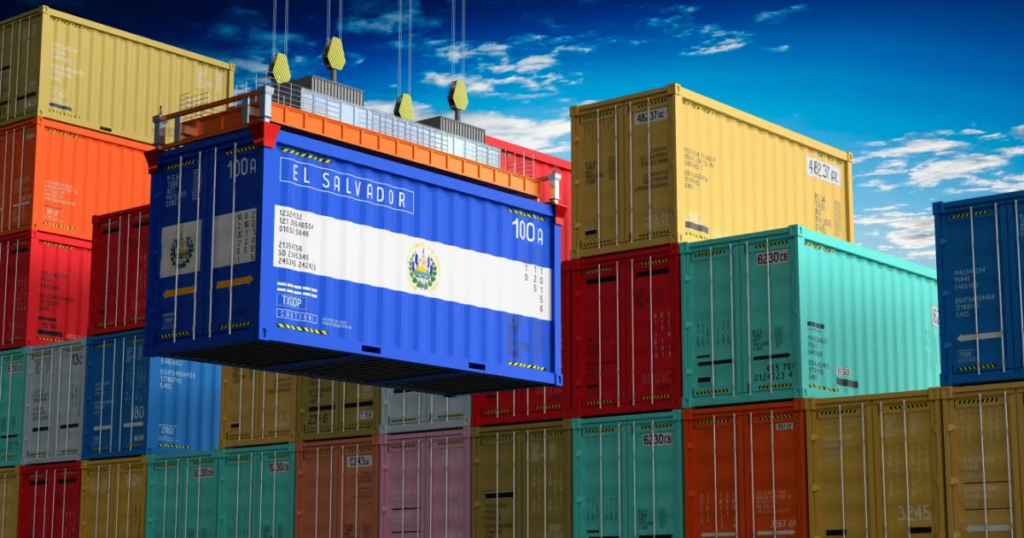
The president of COEXPORT explained that, although the U.S. Supreme Court initially invalidated a previous tariff scheme, the U.S. government subsequently issued new regulations establishing 10% as the general minimum for all countries, with certain exceptions.
Which products are subject to the 10% tariff?
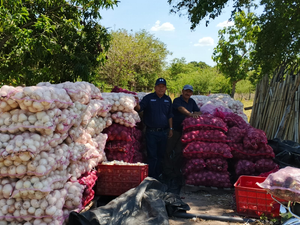
The 10% tariff applies to most exported goods not included in the exclusions chapter. However, in addition to the textile sector, the regulations also exclude some specific agricultural products, certain electronic items, aviation-related products, and light transport goods, among others.
Nevertheless, Cuéllar clarified that many of these excluded goods do not constitute a significant part of El Salvador’s export offerings.
Competition and equal conditions
The business leader emphasized that the 10% tariff is not a measure specifically targeting El Salvador but rather is applied across the board.
“Everyone is on a level playing field. Everyone pays the same 10%. We have the same starting point”, she explained.
In that context, he pointed out that competitiveness will depend on factors such as logistical efficiency, trade facilitation, and the reduction of internal costs. He added that the geographic proximity to the United States represents a natural advantage for the Central American region.
Impact on other sectors
Regarding sectors outside the textile industry, Cuéllar indicated that many products were already subject to the 10% tariff, so there has been no drop in demand. He even stated that exports have shown slight growth.
He also highlighted that salvadoran food products maintain stable demand, especially in communities of salvadorans and the Hispanic population in the United States.
Who pays the tariff?
Cuéllar explained that, technically, the tariff is paid by the importer in the United States. However, in practice, there may be negotiations between the buyer and exporter to adjust prices and maintain competitiveness.
She also noted that foreign trade transactions are negotiated in advance, so existing contracts remain in effect under the agreed-upon terms.
Outlook
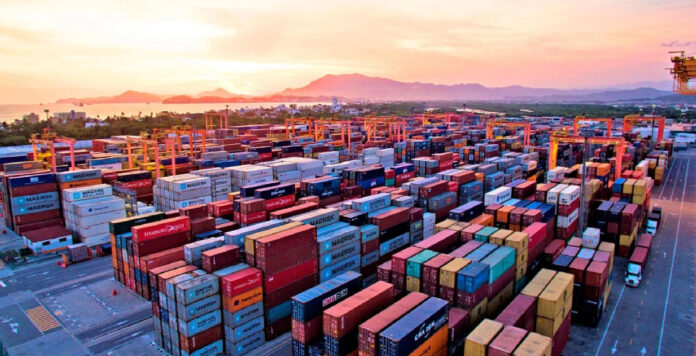
The president of COEXPORT stated that there is a willingness to resume or renegotiate agreements under the new U.S. legal framework, although she clarified that the current regulation is the 10% tariff, with the exclusions.
Finally, she reiterated that the textile sector (the country’s main export engine) remains protected with zero tariffs, which represents a direct benefit for the salvadoran economy and provides stability to one of the industries that generates the most employment in the country.
You can also read: