

 A. M.
A. M. 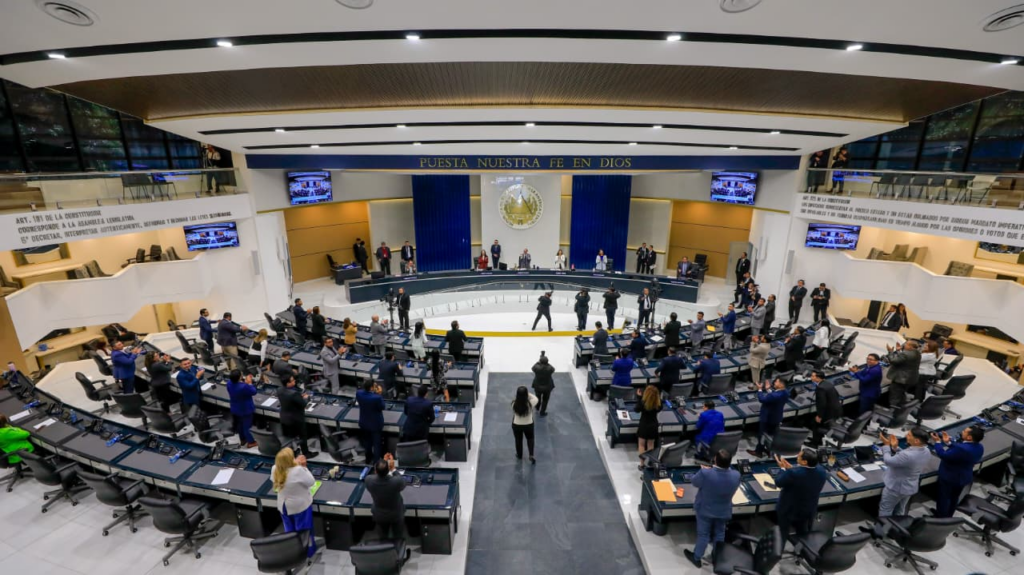
With 57 votes, the Legislative Assembly amended the Ley de Procedimientos Administrativos (LPA) to eliminate the requirement for legalization or apostille of public documents issued abroad when these are related to commercial operations, customs procedures, and public procurement.
The amendment incorporates Article 4-A, which establishes that the Public Administration will not require legalization, apostille, authenticated copies, printed copies, or handwritten signatures on documents from abroad that directly relate to commercial or customs activities, including product registration.
Reducing bureaucracy and streamlining processes
The main objective of the amendment is to reduce the administrative burden, streamline procedures, and strengthen foreign trade. Eliminating the apostille simplifies procedures for companies that import, export, obtain sanitary registrations, or participate in public procurement processes.
With this measure, businesses can submit foreign documentation without having to complete additional formal validation processes, reducing the time and costs associated with international procedures.

Provisional resolutions to expedite processes
The reform also empowers the Public Administration to issue provisional resolutions, allowing procedures to continue while the corresponding documents are being submitted.
In these cases, a period of 10 business days will be granted to correct the documentation. Once this period has elapsed, the resolution will become final.
If the documents are not submitted within the established timeframe, the Administration may suspend or revoke the provisional resolution.
Scope of the regulations
The provision applies to the entire Public Administration, including government procurement processes. This means that government entities must adapt their internal procedures to comply with the new regulations.

Compliance will be overseen by the Court of Accounts of the Republic, extending the scope of the reform to stages such as contractor selection and other phases related to public procurement.
Expected Impact
This modification aims to modernize public administration, facilitate trade, and strengthen the country’s competitiveness. Eliminating the apostille requirement for commercial and customs transactions represents a step toward administrative simplification, aligned with efforts to boost economic activity and improve institutional efficiency.
You can also read: