

 A. M.
A. M. 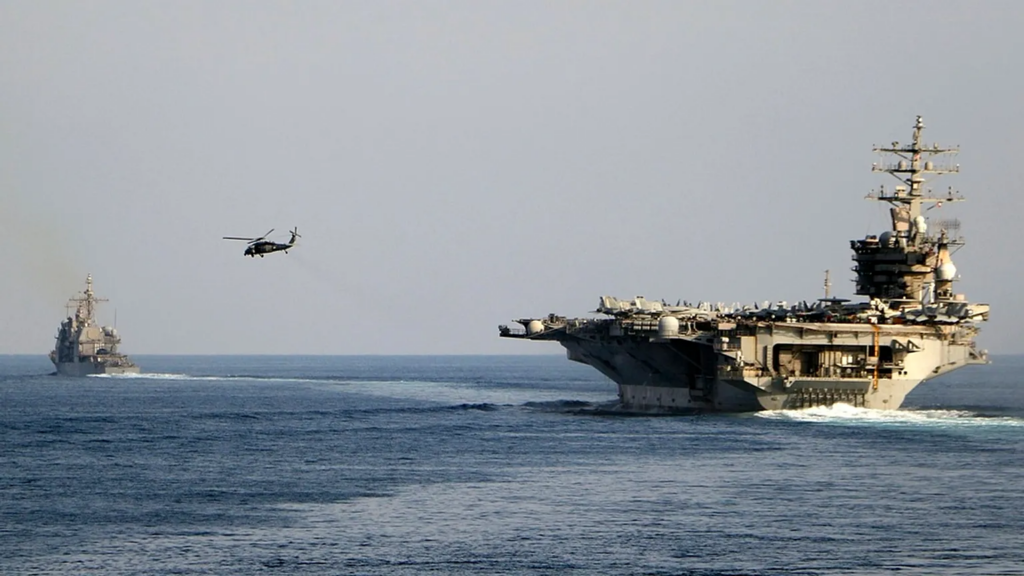
Iraq has been forced to cut its crude oil production by approximately 1.5 million barrels per day due to its inability to export through the Strait of Hormuz, one of the world’s most important energy routes. This situation follows the closure of the waterway by the Islamic Revolutionary Guard Corps, which announced the measure in response to recent US and Israeli attacks on Iran.
Iraqi oil officials indicated that the cuts could exceed 3 million barrels per day in the coming days if oil tankers continue to be unable to access the country’s loading ports. The inability to export crude has led to a rapid saturation of available storage capacity.
Cuts in major oil fields
The production reductions have affected three of Iraq’s most important oil fields. According to industry sources, the decrease includes 700,000 barrels per day from the Rumaila field, 460,000 barrels from West Qurna 2 and 325,000 barrels from Maysan.
Iraq produced around 4 million barrels per day in January, making it the second-largest producer within the Organization of the Petroleum Exporting Countries (OPEC).
Despite the production cuts, the Iraqi Ministry of Oil assured that the operations of domestic refineries would not be affected, as they consume approximately 1.1 million barrels per day to supply the domestic market.
Risk of oil storage saturation
The problem is not limited to Iraq. Analysts at JPMorgan Chase warned that the country had only three days of storage capacity remaining before being forced to further extend the cuts.
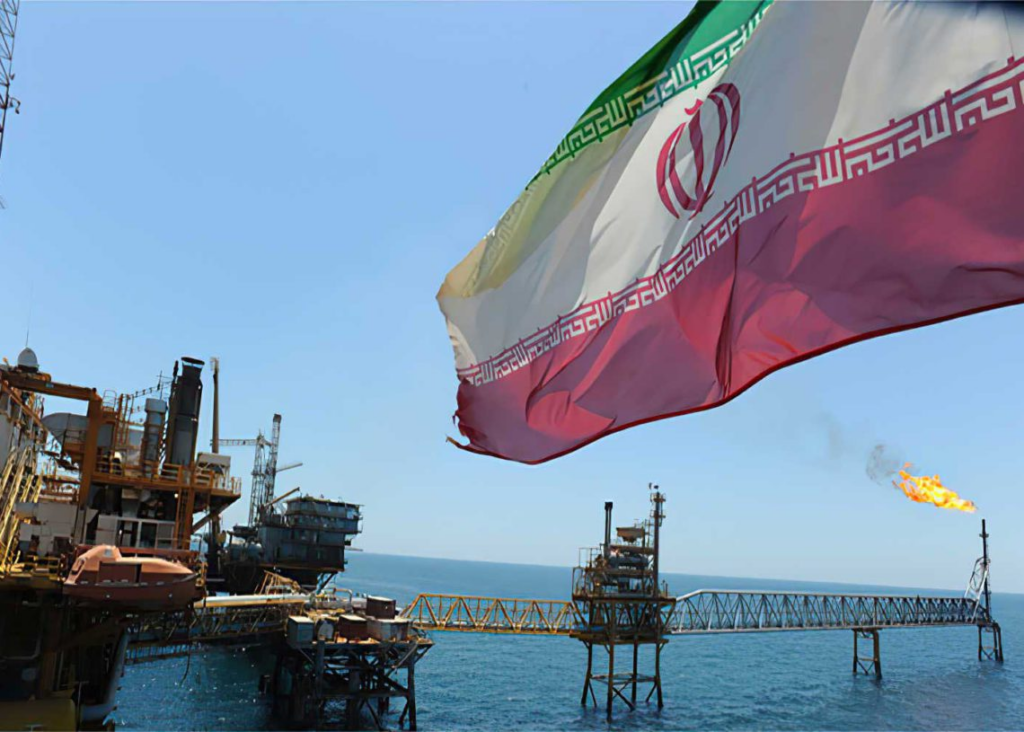
The pressure is also beginning to be felt by other Gulf producers. According to estimates, Kuwait could face a similar situation in about two weeks if the maritime blockade continues.
Analysts calculate that cumulative production cuts in the Gulf countries could reach 3.3 million barrels per day by the eighth day of the blockade, rising to 3.8 million by the 15th day and up to 4.7 million by the 18th day. The pressure on storage is also affecting Saudi Arabia, where, according to Antoine Halff, chief analyst at the geospatial firm Kayrros, available space at the Ju’aymah oil terminal was rapidly running out in early March. At the Ras Tanura refinery, four of the six large storage tanks were already full.
Attack on oil tanker increases tension in the Gulf
Amid the crisis, an oil tanker was the scene of an incident that heightened concerns about maritime security in the region. The Sonangol Namibe reported a breach in its hull after an explosion while anchored near the Iraqi port of Khor al-Zubair.
According to the ship’s operator, Sonangol Marine Services, the crew observed a small, unidentified vessel approaching the side of the tanker shortly before the detonation. Port security sources indicated that a remotely controlled vessel loaded with explosives may have been used.
The tanker was empty at the time of the incident, so there was no pollution or oil spill. However, this represents the northernmost attack on vessels since the Gulf crisis began.
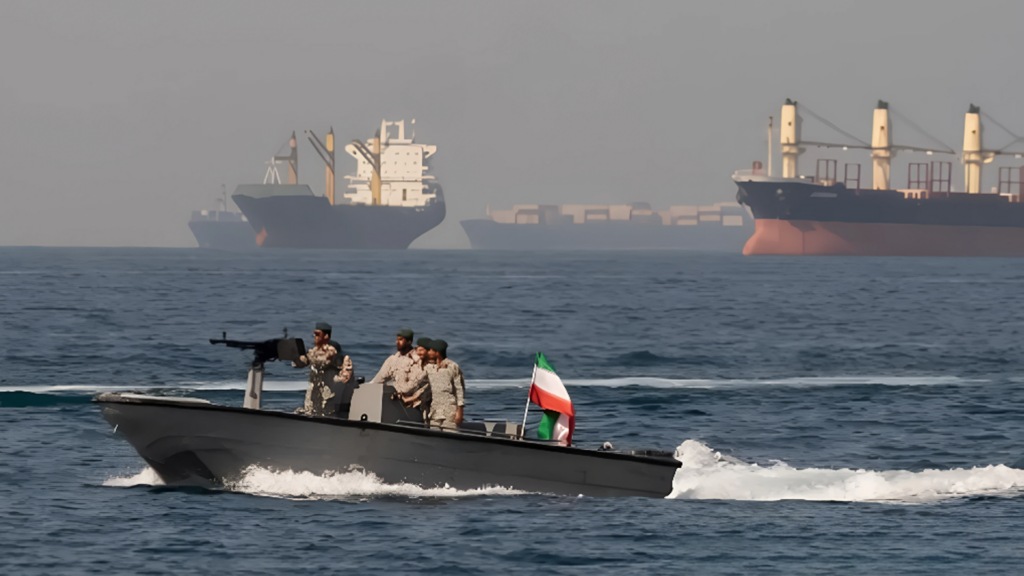
Later, Iran’s Revolutionary Guard claimed to have attacked a US-linked oil tanker in the northern Gulf, though it did not identify the vessel’s name.
Global impact of the strait of hormuz closure
The Strait of Hormuz is considered one of the most critical points for global energy trade, as approximately 20% of the world’s oil and liquefied natural gas supply passes through it.
Since the start of the conflict on february 28, when coordinated attacks by the United States and Israel against Iran resulted in the death of Iranian Supreme Leader Ali Khamenei, commercial traffic through the strait has been almost completely halted.
During this period, at least eight vessels have suffered conflict-related damage, increasing uncertainty in international energy markets and raising concerns about the global oil supply.
You can also read: