

 dinero_admin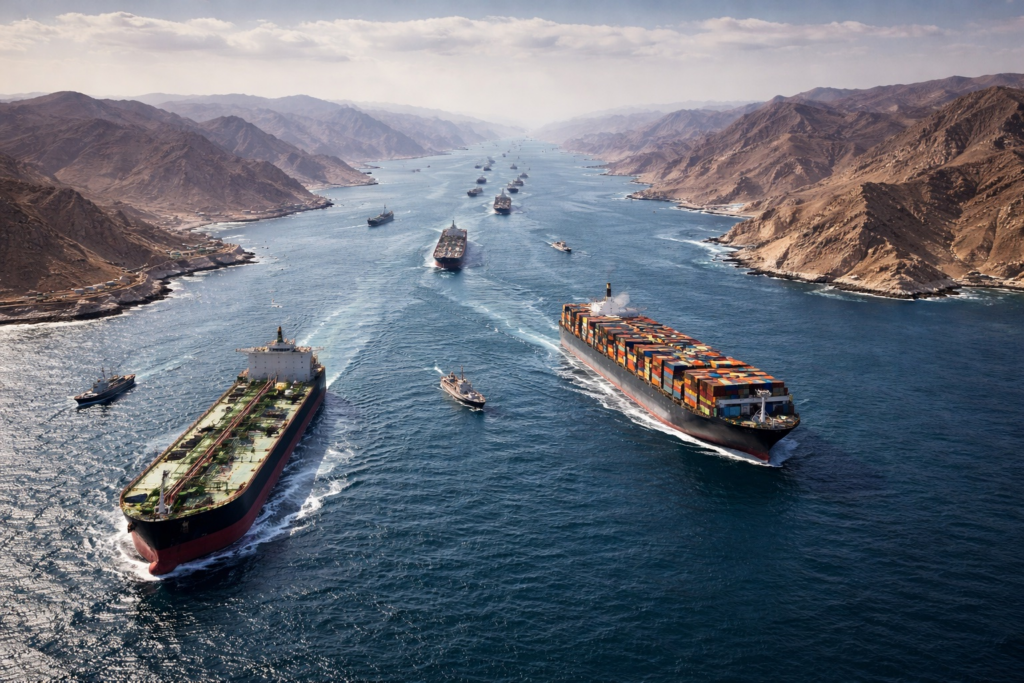
A potential closure of the Strait of Hormuz, amid the escalating conflict in the Middle East, could have negative economic effects on El Salvador, primarily through increased fuel prices.
This was explained by Julio César Grande, Economist and Dean of the Faculty of Sciences and Humanities at the Universidad de El Salvador (UES), who warned that, although the country is far from the conflict zone, its economy could experience indirect impacts due to the way international markets operate.
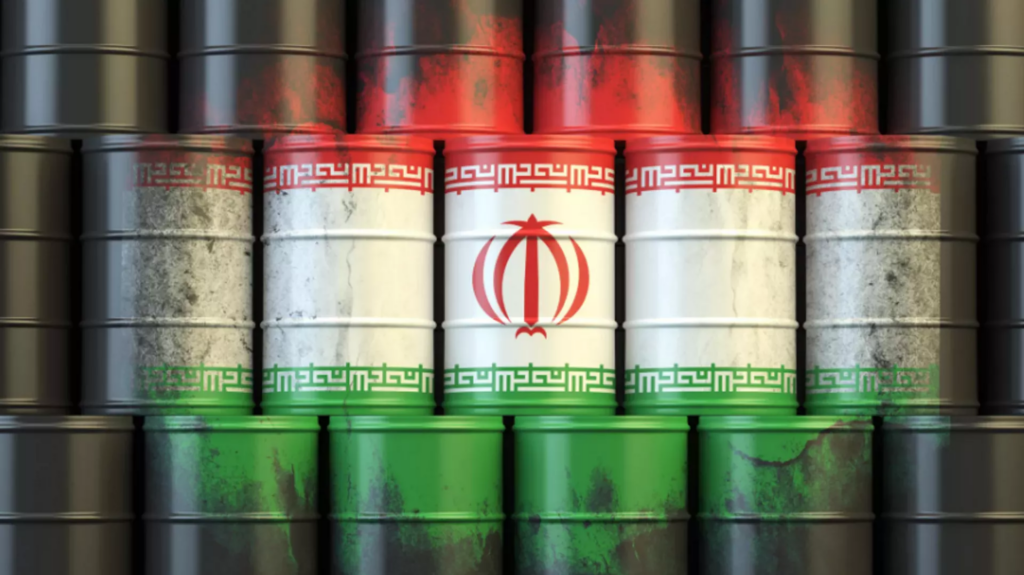
The specialist pointed out that El Salvador does not import most of its oil directly from the Middle East, but rather from other markets, such as the United States. However, the global increase in crude oil prices would ultimately affect the salvadoran market as well, through the cost of gasoline and liquefied petroleum gas (LPG).
“If oil prices rise in international markets, the countries that buy it pay more and then sell it at a higher price. This ends up affecting economies like ours”, he explained.
According to the economist, this phenomenon is known as a chain reaction or cascade effect, where an increase in raw material costs ends up being reflected in various economic sectors.
He also emphasized that the impact can be felt more strongly in countries with small economies and limited wage structures.
A strategic point for energy trade
The potential global impact is related to the strategic importance of the Strait of Hormuz, one of the most important maritime routes for global energy trade.
Various estimates indicate that between 25% and 33% of the world’s traded oil passes through this waterway, making it a key point for international energy supply.
If maritime traffic is interrupted or restricted in this area, markets could react with significant increases in oil and gas prices.
Price increases in various sectors
The increase in oil prices would not only impact fuel costs but also multiple productive sectors that depend on this raw material.
Among the sectors that could be affected are transportation, electricity generation, the plastics industry, construction, and agriculture.
For example, some fertilizers used in agricultural production contain components derived from the petroleum industry, which could raise food production costs.
Another highly sensitive sector is transportation, since it uses gasoline and diesel to move people and goods. An increase in fuel prices raises logistics costs, which can be passed on to the final price of products and services for consumers.
Electricity generation could also be under pressure. In countries like El Salvador, some energy is produced by thermal power plants that use petroleum derivatives, such as bunker fuel or diesel. If these fuels increase in price, the cost of producing electricity rises, which can impact rates or public spending on subsidies.
The plastics industry is another sector closely tied to oil prices, as many of its inputs come from the petrochemical industry. A rise in crude oil prices increases the cost of producing resins and polymers used to manufacture containers, packaging, and other everyday plastic products.
In the construction sector, the impact is reflected both in the cost of materials and in the operation of heavy machinery. Products such as asphalt, paints, and sealants depend on petroleum derivatives, while construction equipment runs primarily on diesel, which increases project costs.
According to Grande, this could translate into a generalized increase in prices worldwide.
Potential changes in trade routes
Another potential effect of the conflict would be the modification of international maritime routes.
Another potential effect of the conflict would be the modification of international shipping routes.
If certain areas become dangerous for navigation, shipping companies might opt for alternative routes to avoid risks.
However, these routes are usually longer and more expensive, increasing transportation costs and, ultimately, the price of goods.
Reactions in financial markets
The uncertainty generated by geopolitical conflicts also tends to cause volatility in international financial markets.
According to the economist, in risky scenarios, stock markets tend to fluctuate or decline, as many companies and investors choose to reduce their exposure until the situation stabilizes.
“Investment usually slows down when there are conflicts because companies prefer to wait before risking capital”, he explained.
Search for safer assets
In these contexts, investors often shift their resources toward assets considered safer, such as precious metals or hard currencies.
This movement can cause changes in financial markets and affect the value of different assets and currencies internationally.

Potential supply chain disruptions
Finally, the expert warned that if the crisis is prolonged, it could generate a situation like that experienced during the COVID-19 pandemic, when global supply chains suffered disruptions.
The lack of raw materials or delays in the transport of goods can affect industrial production and cause product shortages.
“When companies don’t receive the inputs they need to produce, they stop manufacturing. That ends up generating shortages and price increases”, he concluded.
The specialist emphasized that the final economic impact will depend largely on the duration and intensity of the conflict, as well as the decisions made by the countries involved in the coming months.
You can also read: